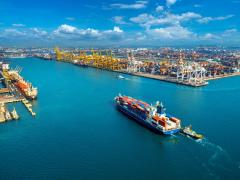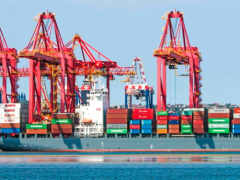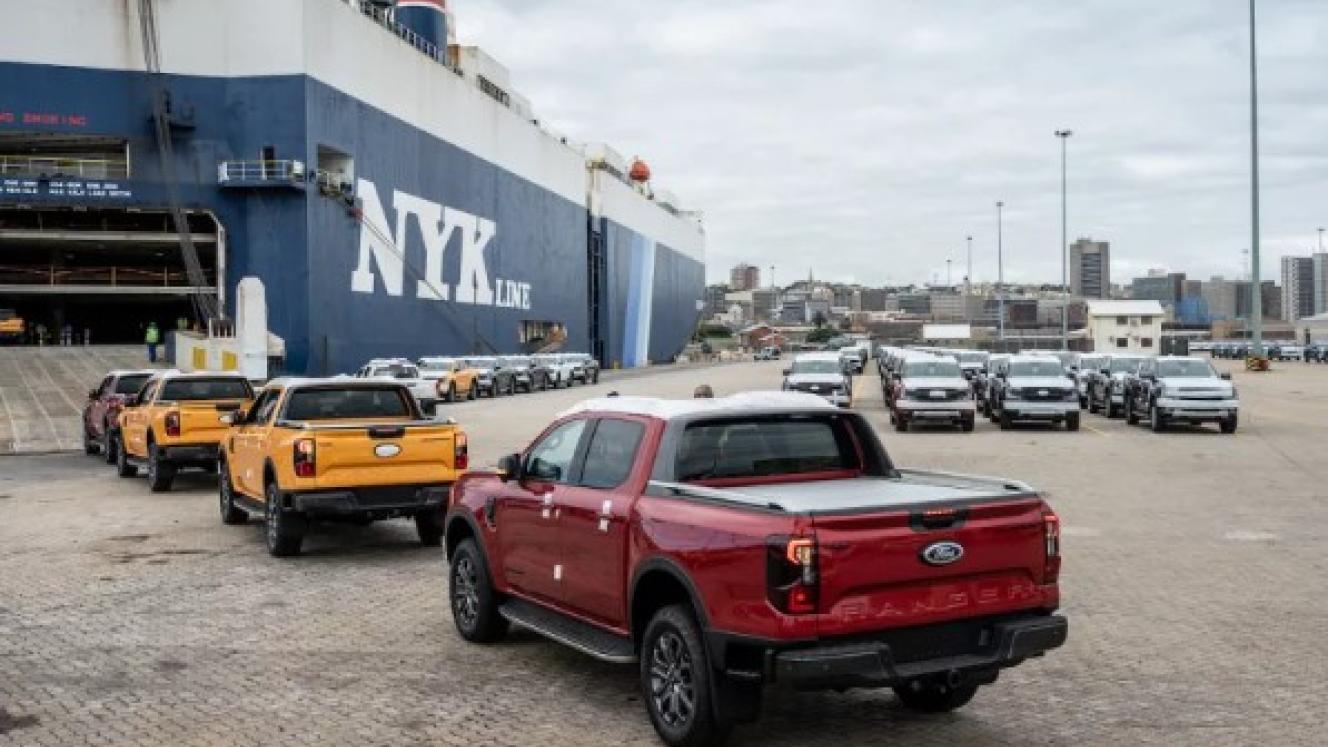
South Africa’s vehicle exports fell by 18.8% year on year to 31 473 units in September while domestic new vehicle sales grew by 12.7%, according to the Automotive Business Council (NAAMSA).
Domestic sales reached 61 645 units, up from 54 706 in September last year, with light and medium commercial vehicles recording growth despite what NAAMSA describes as a difficult operating environment.
Sales of light commercial vehicles, bakkies and minibuses increased by 9.6% to 14 361 units compared with 13 099 a year earlier. Medium commercial vehicle sales rose by 3.4% to 789 units from 763.
Heavy truck and bus sales, however, declined by 25 units to 2 204, presenting mixed performance across commercial vehicle categories.
NAAMSA CEO Mncane Mthunzi says the overall domestic market closed the third quarter on a resilient footing.
“This performance is particularly encouraging given the increasingly difficult operating environment facing consumers and businesses, including higher borrowing costs, renewed inflationary pressures and subdued economic growth.”
NAAMSA attributes part of the domestic market’s resilience to increased competition and a wider choice of brands, models and price points. Competitive pricing, financing offers and more affordable products are helping to sustain demand despite pressure on buyers’ budgets, NAAMSA said.
Dealerships accounted for an estimated 81.4% of total domestic sales in September, followed by the vehicle rental industry at 13.8%, government purchases at 2.6% and corporate fleet sales at 2.2%.
The weaker export performance contrasts with this domestic growth. NAAMSA’s industry overview puts combined vehicle and automotive component export revenue at a record R291 billion in 2025, equivalent to 15.6% of South Africa’s total exports.
NAAMSA says vehicles and components were exported to 154 international markets and the automotive industry accounted for 23.8% of the country’s manufacturing output.
Electrification is also beginning to extend into light and medium commercial vehicles, adds NAAMSA. Although volumes remain modest, NAAMSA describes this as a strategically important development as adoption broadens beyond private mobility.
Across the overall new energy vehicle market, sales reached 18 945 units in the first eight months of 2026, exceeding 16 703 sold during the whole of 2025 by 13.4%.
Conventional hybrids accounted for 49.6% of those sales, followed by plug-in hybrids at 36.5% and battery-electric vehicles at 13.8%, according to NAAMSA.
Sustaining that growth depends on charging infrastructure, affordable electricity, appropriate standards, wider model availability and support for consumers, NAAMSA points out.
NAAMSA also emphasised the need to localise new energy vehicle and component manufacturing so that growing domestic demand translates into industrial investment, production and employment.