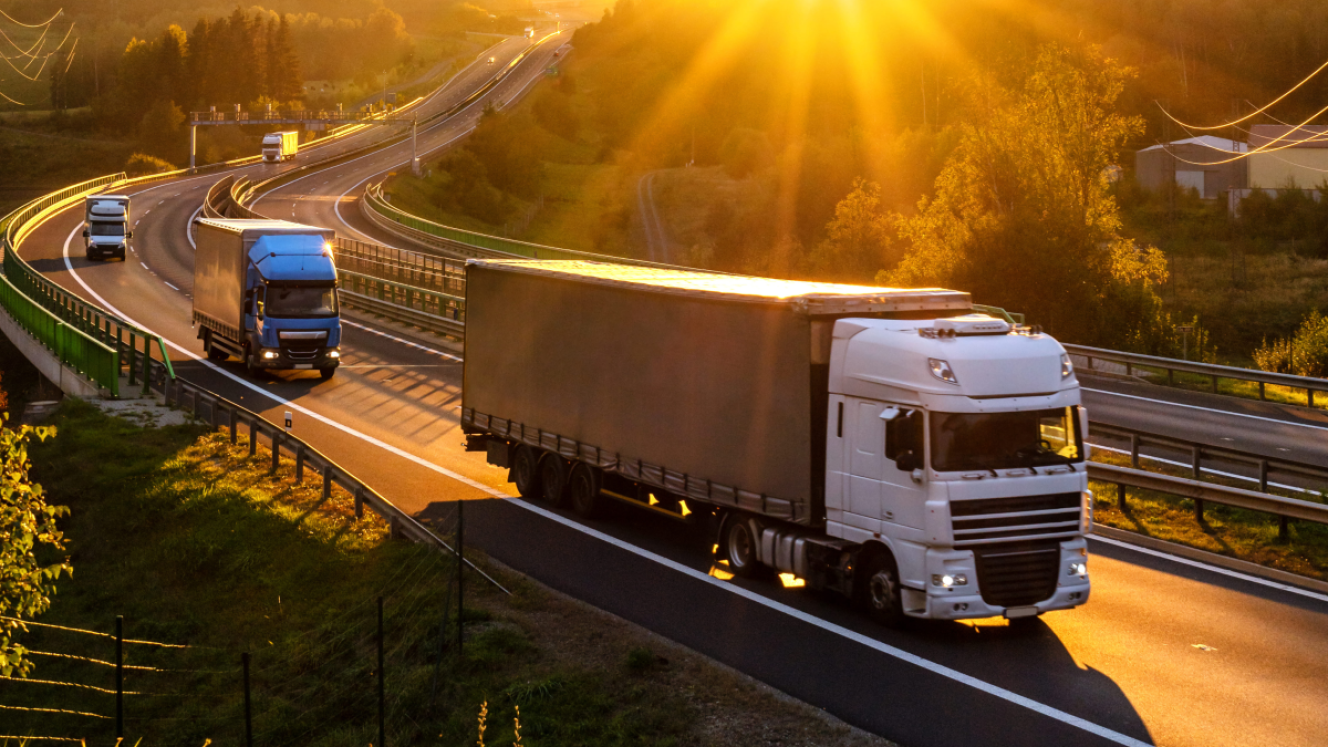
South African road freight operators may have to increase transport rates or draw further on their financial reserves after diesel prices increased by approximately R3 per litre this week.
The fuel price adjustments that took effect on September 2 increased the wholesale price of 500ppm diesel by R2.93/litre and 50ppm diesel by R3.14/litre.
Inland wholesale prices subsequently increased to R29.11/litre for 500ppm diesel and R30.05/litre for 50ppm diesel.
The increases placed further pressure on transport operators because fuel represented between 35% and 55% of operating costs, depending on the route and type of vehicle, Road Freight Association CEO Gavin Kelly said.
The diesel price increases amounted to 11.23% for 500ppm diesel and 11.71% for 50ppm diesel or an average increase of approximately 11.35%, he said.
Kelly said operators now have to decide whether to increase their rates or use their diminishing financial reserves to protect existing customer contracts.
“Changes in fuel prices have a far-reaching effect on the country’s supply chain, transport systems, the wider logistics industry and the prices of goods on store shelves,” he said.
Operators seek savings
Kelly said transport operators are using telematics, route optimisation software, driver training and fuel-efficient driving techniques to reduce consumption.
Fleet managers are also focusing on vehicle maintenance, avoiding congestion and excessive standing time, sharing loads and adopting newer engine technologies.
Some operators have incorporated fuel adjustment mechanisms into their contracts to account for rapid price fluctuations without breaching longer-term commitments, he said.
However, these measures cannot fully offset the effect of the latest increases.
Minister of Mineral and Petroleum Resources Gwede Mantashe said the September adjustments reflect higher international refined product prices, elevated crude oil prices and an increasing domestic slate balance.
Both grades of petrol increased by R1.29/litre while the wholesale price of illuminating paraffin rose by R2.13/litre. The maximum retail price of liquefied petroleum gas increased by R0.69/kg nationally and R0.79/kg in the Western Cape.
Agricultural costs rise
FNB Commercial Senior Agricultural Economist Paul Makube said the diesel increase comes shortly before the start of the 2026/27 summer crop production season.
“Producers who still need to secure diesel for planting and early season fieldwork will face a higher cost base while transporters, input suppliers and contractors may also pass higher fuel costs through the value chain,” Makube said.
He warned that diesel prices remaining elevated for an extended period would also increase downstream distribution and retail costs.
Calls for levy relief
Trade union federation COSATU renewed its call for government to reintroduce temporary fuel levy relief.
COSATU Spokesperson Matthew Parks described the increases as a blow to workers and commuters already facing financial pressure.
“The most important source of relief for workers, society and the economy is to reintroduce the fuel levy relief while oil and fuel prices remain abnormally high. This is the most impactful and cost-effective solution to this global crisis,” Parks said.
AfriForum has separately written to Finance Minister Enoch Godongwana requesting an independent audit of the fuel price and levy structure, including the general fuel levy, carbon fuel levy and Road Accident Fund levy.
AfriForum Spokesperson Ernst van Zyl said taxes forming a large portion of the fuel price should be scrutinised to identify possible long-term reforms.
“It remains government’s responsibility to cushion households and the economy as effectively as possible from global shocks, not merely to delay them for a few months,” he said.