South Africa’s vehicle exports rose 6.3% year on year to 38 117 units in October, providing some relief for the automotive sector, although cumulative exports for the first 10 months of 2026 remained 8.3% below the corresponding period last year.
Export sales increased by 21.1% compared to September with stronger performance in selected vehicle segments supporting the recovery, according to the Automotive Business Council (NAAMSA).
“Of particular significance was the improvement in export performance during October following the decline since February 2026,” NAAMSA said.
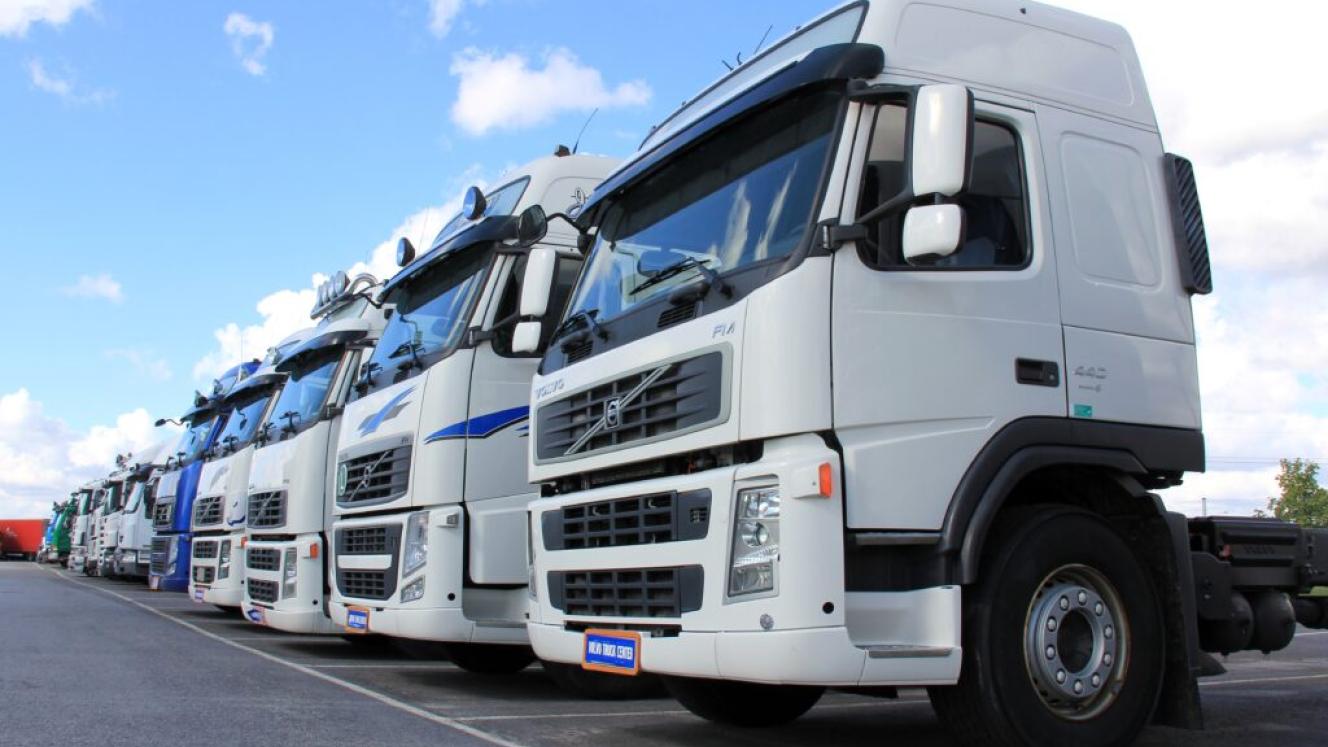
“The improvement was supported by stronger performance in selected vehicle segments, particularly light commercial vehicles and extra-heavy commercial vehicles,” the council said.
The domestic new vehicle market also recorded continued growth despite severe fuel cost hikes and persistent consumer pressures.
Aggregate domestic sales reached 61 890 units in October, reflecting a 10.4% increase compared with the 56 051 units sold during October 2025.
Light commercial vehicle, bakkie and minibus sales increased by 2.2% to 13 689 units. Heavy truck and bus sales climbed 8.1% to 2 347 units while medium commercial vehicle sales fell 0.9% to 770 units.
New passenger car sales rose by 13.6% to 45 084 units with the car rental sector accounting for a 21.4% share.
Of total reported industry sales, dealer sales accounted for 78%, or 48 234 units, vehicle rental sales represented 16.5%, government purchases 3.3% and corporate fleet sales 2.2%.
New energy vehicle sales accelerate
The new energy vehicle (NEV) market expanded significantly with cumulative sales for the first nine months of 2026 reaching 22 389 units, exceeding the full-year 2025 total of 16 703 units by 34%.
Rechargeable vehicles accounted for 50.5% of year-to-date NEV sales through September while traditional hybrid electric vehicles accounted for 49.5%.
Trading conditions remained constrained by sharp fuel price increases with inland 95 octane petrol reaching R30.25/litre from October 7 as Brent crude oil rose to average US$101 per barrel. Central banks in major export destinations, including the US Federal Reserve and the European Central Bank, held policy rates steady in late October.
“As South Africa’s new vehicle market progresses through the final quarter of 2026, the continued growth in domestic sales and accelerating uptake of NEVs provide encouraging signals of underlying market resilience and evolving consumer demand,” NAAMSA noted.
“However, sustaining this momentum will depend on strengthening domestic purchasing power, maintaining a competitive and predictable policy environment and addressing the structural cost pressures affecting manufacturers and consumers. Equally important is ensuring that the transition towards new energy technologies translates into increased local production, investment and employment,” the council said.
As the industry navigates an increasingly complex global trading environment, South Africa’s ability to strengthen its domestic market while safeguarding export competitiveness will remain central to the automotive sector’s long-term sustainability and growth, NAAMSA added.