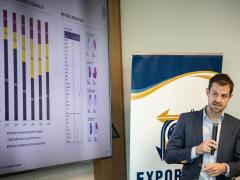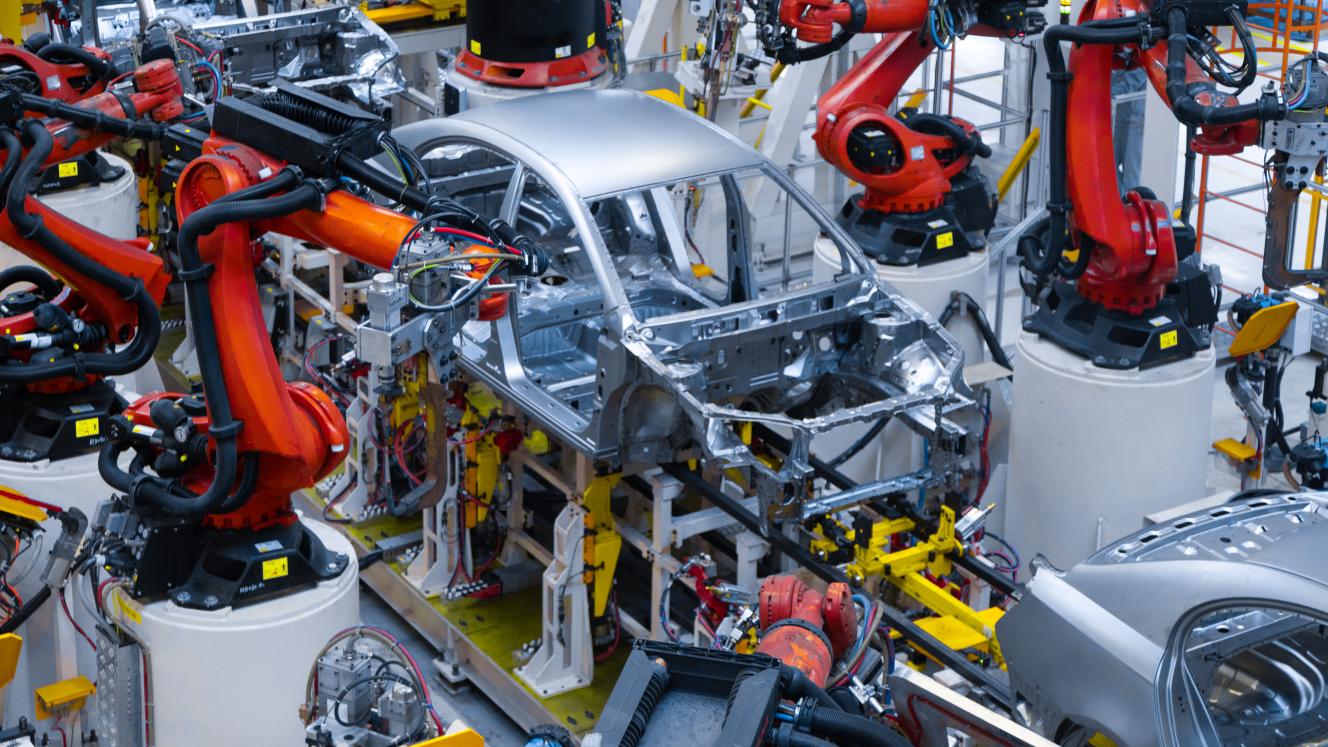
South Africa’s R357.5 billion automotive import market offers opportunities to expand competitive local manufacturing, according to a new analysis by the Automotive Business Council (naamsa).
The council’s Country of Origin Matrix 2021-2025 examines vehicle, component and aftermarket imports and underpins a proposed Import Replacement and Black Industrialist Development Framework aimed at converting selected import demand into domestic production.
South Africa imported automotive products from 73 countries in 2025, the report shows. Replacement-parts imports increased by R2.7bn, or 2.6%, to R107.5bn compared with 2024.
“These import flows reflect South Africa’s integration into global automotive value chains and remain essential to domestic vehicle production, exports, consumer choice and access to advanced technologies. However, the scale and sustained growth of selected imports also provide a strong evidence base for identifying products that could be manufactured competitively in South Africa,” naamsa said.
The automotive aftermarket presents a significant opportunity. South Africa’s vehicle population reached approximately 13.68 million in 2025, with an average age of 11 years. Some 75.6% of vehicles were six years or older, creating sustained demand for tyres, batteries, brake parts, suspension components, filters, electronics and diagnostic systems.
Localisation should be approached as an industrial-growth programme rather than simply a compliance requirement, said naamsa CEO Mncane Mthunzi.
“Our ambition is not to replace imports indiscriminately, but to identify areas where domestic demand, production scale, available capabilities and regional export opportunities can support globally competitive South African manufacturing.”
The component sector employed 81 153 people in 2025, compared with 32 115 in vehicle manufacturing, according to the report. Local content in vehicles produced by South Africa’s seven light-vehicle manufacturers remained at approximately 40%.
The proposed framework sets out a process for translating import data into localisation projects. Interventions include a national automotive import opportunity database, aggregated procurement and long-term offtake commitments, technology transfer and support for tooling and product development.
A proposed National Automotive Import Replacement Committee would coordinate implementation and monitor outcomes.
Black industrialists, women-owned enterprises, emerging manufacturers and Tier 2 and Tier 3 suppliers would be central to the framework, linking their development to procurement opportunities and integration into established automotive supply chains.
Projects would fall into four categories:
- Quick wins: Products that could be localised within 24 months using existing manufacturing capacity and established technologies.
- Medium-complexity projects: Components requiring new tooling, supplier development and original equipment manufacturer qualification over two to five years.
- Strategic technology projects: High-value, technology-intensive investments requiring longer development periods.
- New-energy vehicle capability: Long-term development of battery systems and materials, electric drivetrains, power electronics, charging infrastructure and hydrogen technologies.
The findings will inform naamsa’s engagement on the South African Automotive Masterplan 2035, the Automotive Production and Development Programme, supplier development, transformation, new-energy vehicle industrialisation and regional market expansion.
“South Africa cannot localise every imported product, but we can be much more deliberate about converting sustained market demand into competitive industrial capacity,” Mthunzi said.