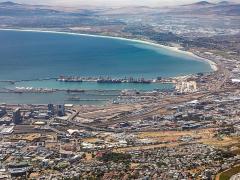
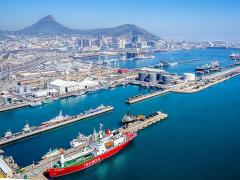
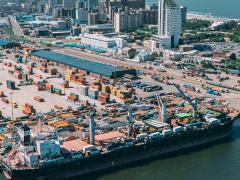
The new licensing process for terminal operators has been completed and is now being moved into its implementation stage, according to Paul Balfour of Transnet National Ports Authority (TNPA). “There were 90 applications,” he said, “and we have licensed 89 sites countrywide (one application was a duplication). No applications have been refused.” Balfour also told FTW that there were now no other terminals on TNPA’s list of terminals nationwide that had not been included in this current application procedure. That list was one from November 2006 – when the licensing process was first promulgated in the National Ports Act. According to Balfour, all these were deemed licence holders, and have since been re-licensed under the new procedure. The new licences, therefore, are effectively retrospective to that date. Certain of the control procedures in the new licensing regime are now being put into place. An important one is terminal performance monitoring. In this, performance agreements will be signed by terminal operators that will see them held responsible for operational effectiveness and productivity, and safety, health and environmental compliance. According to Herbert Msagala, TNPA GM of operations, the aim of the new system is to improve port efficiency drastically. The procedure for this is currently being assembled by TNPA planning executive, Ricky Bhikraj. He told FTW that he would be sending a presentation of the scheme to terminal operators this week, and that this would be released to us thereafter. The inclusion of performance monitoring and targets in agreements and licences with terminal operators is in line with the National Ports Act that states in terms of Section 65 that deemed licensees will be performance-managed through the setting of targets. Operators that do not meet their targets face a range of penalties ranging from a warning to the loss of their terminal operating licence. An executive for a major logistics operation told FTW that they had received all the licences they required for all their applicable operational sites around the country. These sites are deemed to be in-port operations – implying that they move goods across the quays. No problems were experienced during the licensing procedure, and the company was satisfied with the terminal performance conditions that are due to be imposed, the spokesman added. The licences are linked to the terminal’s leaseholding, and will last until that lease expires. It is also believed that TNPA has raised a separate licensing process for stevedoring operations at the ports, but FTW was unable to get any details on this from the TNPA before print deadline. CAPTION Terminal operators will be held responsible for operational effectiveness and productivity, and safety, health and environmental compliance.
Raising the bar on terminal efficiency
Comments | 0
© Now Media. This content is protected by copyright and may not be adapted or republished. If you would like to discuss cooperation opportunities, please contact: editor@freightnews.co.za.