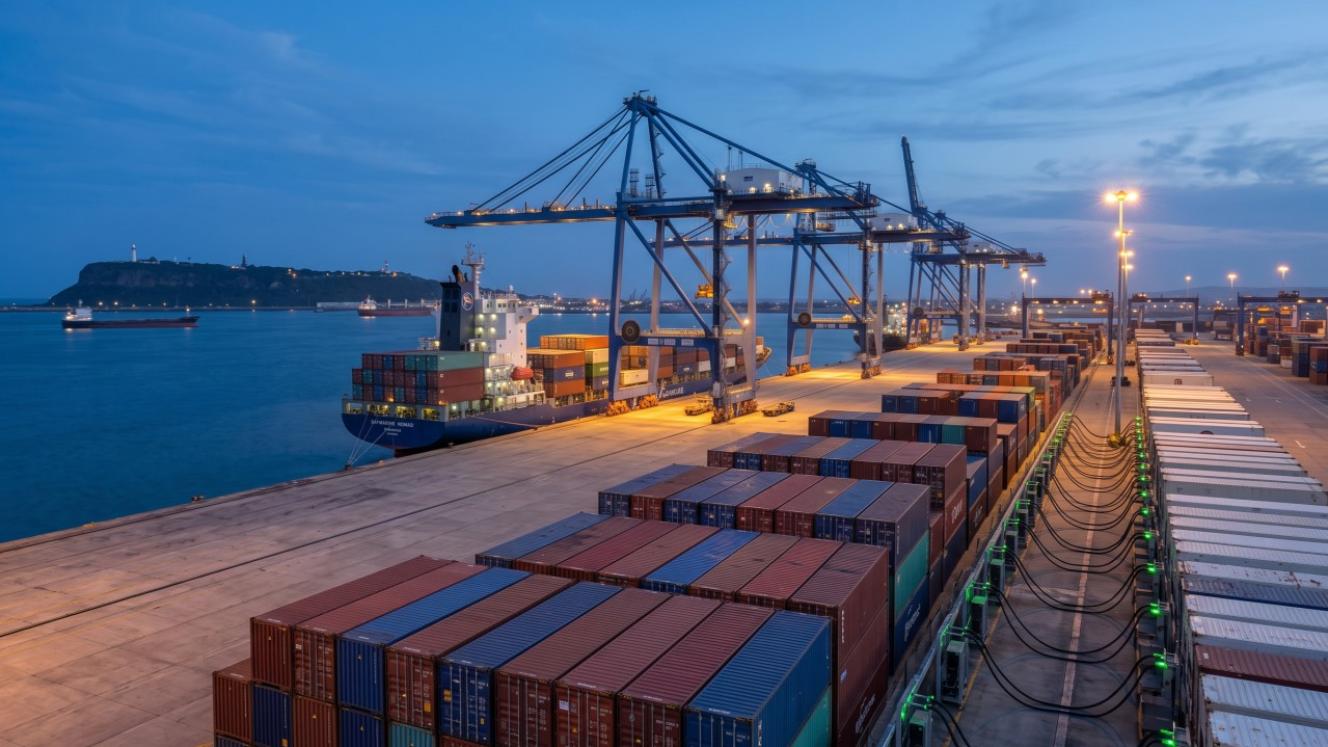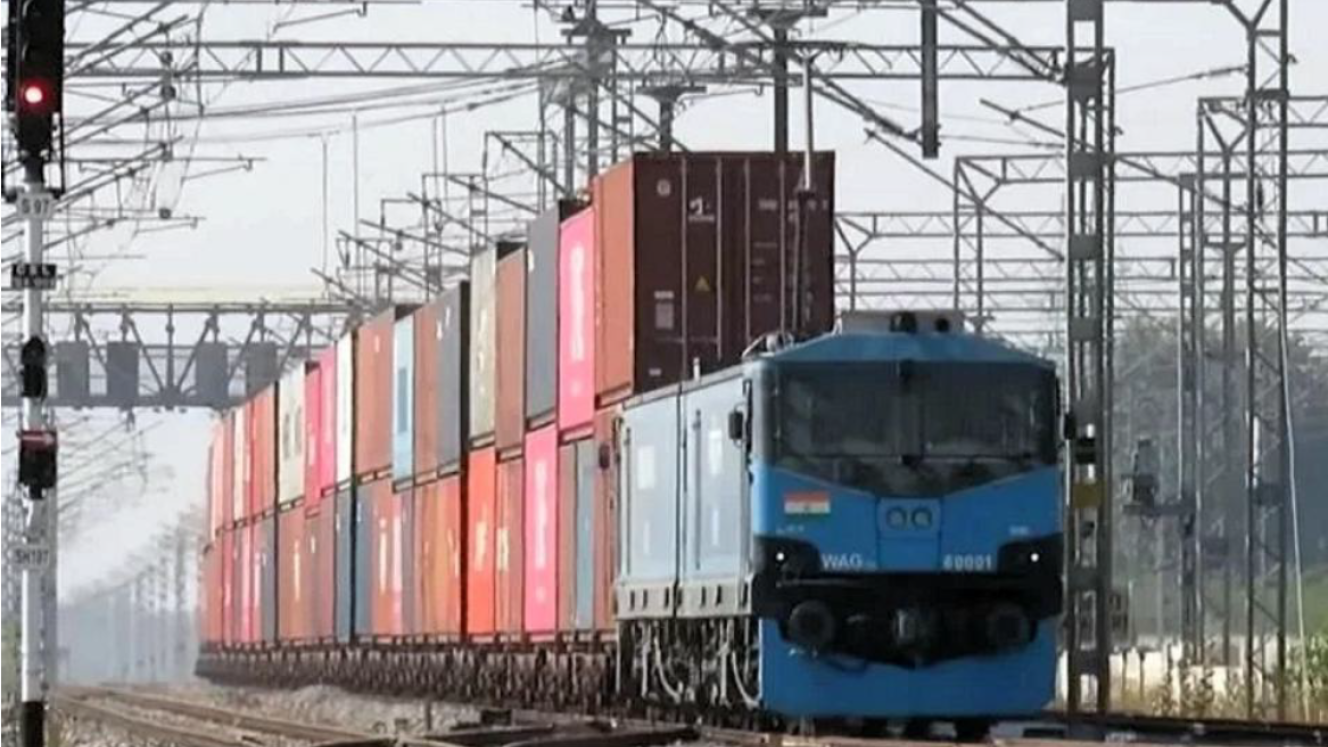
South Africa’s citrus industry has issued a stark warning that its global competitiveness is at risk unless the government fast-tracks the National Rail Master Plan (NRMP) to migrate high-value exports off the country's congested and failing road networks.
Citrus Growers of Southern Africa logistics development manager, Mitchell Brooke made the plea during a Department of Transport (DOT) public engagement meeting discussion on the plan in Durban on Thursday
The department has described the plan as a R1.9 trillion data-driven strategy aimed at a total overhaul of the rail system by 2050.
However, the plan faced resistance from the United National Transport Union (UNTU), which raised concern about "backdoor privatisation," job security, and the ongoing “sabotage” of state assets.
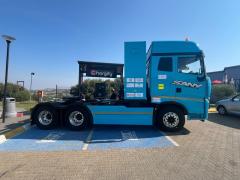
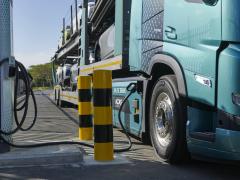
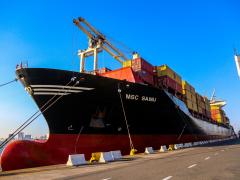
Brooke said about 95% of citrus products are currently been transported via the road network.
"The industry's grown significantly, and what's happened is we've moved away from rail. 95% of our citrus is moved by road. It's a massive risk to the industry. If we don't get rail back, we're going to lose our competitiveness globally. The cost of road transport is just becoming too high, and the congestion at the ports is making it impossible to get our fruit out in time,” he said.
He delivered a blunt assessment of the state owned entity referring to the former State Capture crisis that cost Transnet billion of rands in losses, which left it unable to reinvest in infrastructure.
He said this left Transnet "very dependent on the private sector … without which we're not going to get rail back.”
Brookes said was “puzzling” to note the billions of rands spent on road networks like the N3.
“We should have gone to rail earlier … There's a lot of dead rail asset (unused lines) just sitting and we just heard it’s getting stolen. Take it out before it gets vandalised and sell it for asset value, so you can reinvest in the rail that is going to operate. Do it before it disappears,” he said.
DOT chief director, Jan-David de Villiers said rail turnover represents less than 0.1% of GDP today, compared to more than 4% in 1910.
He said the NRMP identifies a massive "performance gap" where the viable rail market is estimated at 262 million tonnes of freight, far exceeding the 150 million tonnes actually transported in 2022.
De Villiers said in monetary terms just 4%, or R276 billion of market share of goods is currently was being moved by rail, while a market share of R5.8 trillion was being transported by roads.
“We are saying of that R5.8 trillion market share, 17%, R1.0 4 trillion, should be on rail,” he said.
However, he said it was not currently moved by rail because of the lack reliability and speed of present services.
De Villiers said successfully closing this gap could reduce the national freight bill by up to R100 billion.
To address the infrastructure deficit, he said the plan requires investment of R1.9 trillion over thirty years. The strategy includes a proposed 5,380-kilometre reduction in the size of the existing network to focus resources on high-volume "precision" corridors. The plan will also include the drafting of laws such as the National Rail Bill by 2026/27 for enactment by 2028.
Johanna Mulaudzi, an infrastructure regulation expert and former Transnet National Ports Authority CEO, welcomed the move toward open access but warned of the risks of deregulation.
"Liberalisation without regulation or regulatory certainty creates unintended consequences," she said, arguing that success depends on "corridor integration" that addresses pricing and terminal access.
Transport specialist Logan Moodley raised concerns regarding the operational feasibility of the plan, specifically the balance between capital and operational expenditure (Opex).
"My concern is more with the Opex … unless the private sector is coming and providing all of the Opex, including the Opex for the for the current assets, that that the state owns, they're going to be looking at government to provide security," Moodley said.
He also questioned the apparent contradiction of continued massive road investment alongside the rail-first push.
"It's inconceivable for me that while we talk about rail, we see billions being spent on the N3 … if we're serious about rail, we should have had some input in terms of the improvements to the N3 corridor, because it seems like it's business as usual to anyone driving along the corridor," Moodley said,
UNTU representative Cynthia Mathiso warned of a looming "fight" over what the union perceives as a threat to workers.
"We're not going to hand over Transnet on the silver plate. It's not going to happen without a fight," Matiso said.
Matiso alleged that state assets are being "deliberately sabotaged" while the union’s members are left without necessary tools and answers regarding over 1 000 vacancies in Transnet Engineering alone. She warned that private partners will not be welcomed "with open arms" because workers have too much to lose, asserting that the plan will not proceed under the union's watch.
DOT Deputy Director General Ngwako Makaepea said the current rail network of 32,000 kilometres only sees "business on 30% of it," making reconfiguration essential. He emphasised that the legislative shifts, anchored in the Economic Regulation of Transport Act of 2024, are about national survival.