South Africa’s rail reforms need to be supported by modern signalling, better infrastructure monitoring and coordinated planning across mines, railways and ports to translate into reliable freight volumes.
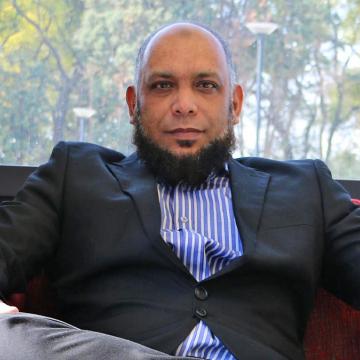
This is according to South African Heavy Haul Association (SAHHA) Chairman Brian Monakali who told Freight News that opening the network to third-party operators will require technical improvements alongside policy reform.
Monakali, who also serves as Chief Executive of the Railway Safety Regulator (RSR), was speaking in his capacity as SAHHA Chairman.
He identified derailments, infrastructure theft and vandalism as major constraints on network efficiency, highlighting the need to detect faults before they disrupt operations.
Drawing on workshops with heavy-haul counterparts from Brazil, Australia, China and India, Monakali said condition assessment systems help operators identify problems before they cause derailments.
These include trackside instruments and temperature sensors that send real-time warnings to control centres, allowing operators to stop trains before a failure occurs.
Digital analytics, artificial intelligence and predictive maintenance could help operators assess the condition of assets and target maintenance before breakdowns, he said. South Africa already uses some monitoring systems but there is scope for wider deployment and partnerships to manufacture the technology locally.
Monakali also highlighted outdated signalling as a vulnerability in general freight operations.
“The signalling system is outdated and needs to be modernised,” he said.
An assessment of digital signalling options is underway with Transnet Rail Infrastructure Manager and the RSR, added Monakali. European, American and Chinese systems will be considered and a decision on the preferred model is due before the end of March 2027.
Monakali said the approach to greater automation in South Africa will retain drivers to supervise train operations and intervene when necessary, particularly where freight lines pass through heavily populated areas.
Drivers will monitor train performance and take manual control in emergencies, he added.
Beyond individual railway systems, Monakali stressed the need for closer coordination across the export value chain.
SAHHA has broadened its focus to include the interfaces between mines, railways and ports. Its membership includes mining companies Anglo American and Seriti, Richards Bay Coal Terminal and private rail operator Traxtion.
The association is establishing industry working groups covering integrated planning and scheduling, signalling and telecommunications, track and maintenance, he said.
SAHHA also provides a platform for sharing international research and operational experience through its membership of the International Heavy Haul Association (IHHA).
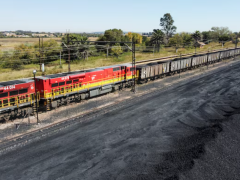
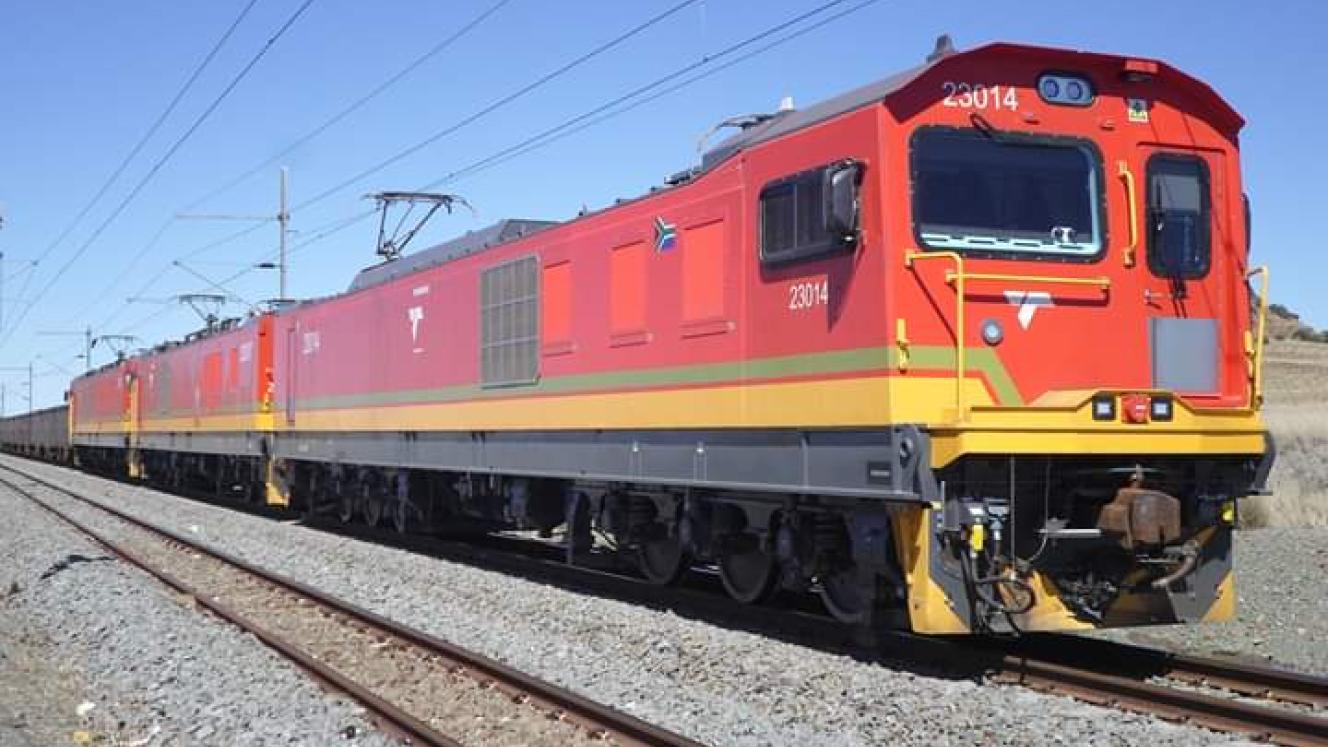
Transnet’s Nkululeko Gobhozi was recently elected Chairman of the IHHA. Monakali said the appointment reflects South Africa’s heavy-haul expertise, which includes operating 342-wagon iron ore trains approximately four kilometres long.
He argued that this technical experience could help build confidence among private operators and financiers considering investments in South Africa’s logistics corridors.
“There is technical ability, technical know-how and technical strategic leadership in South Africa that will ensure we move from just plans to the implementation of the right technical solutions,” he said.
SAHHA is preparing to host its next conference in Johannesburg in November where local and international rail technologies and operational solutions will be discussed.