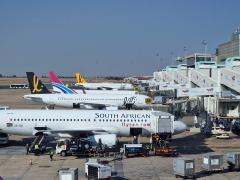
Shippers and freight forwarders need to strengthen checks before cargo reaches airports to help prevent undeclared dangerous goods from entering the airfreight system, the International Air Transport Association (IATA) has warned.
The association has called for coordinated action across the supply chain, saying airport security screening provides an important layer of protection but cannot address the risk on its own.
About 80% of dangerous goods incidents reported to IATA in the first half of 2025 involved undeclared or hidden goods. Lithium batteries, e-cigarettes and aerosols were among the products most commonly identified.
“Dangerous goods are transported safely by air every day. The risk comes when they enter the system undeclared or incorrectly declared,” said Brendan Sullivan, IATA’s global head of cargo.
In a white paper released on September 24, IATA said rapid e-commerce growth, the widespread use of lithium batteries and increasingly complex supply chains had intensified the risks.
The paper also highlights the threat posed by goods deliberately concealed or modified to cause harm, referring to incidents involving improvised incendiary devices in Europe in 2024.
Undeclared or incorrectly declared dangerous goods could endanger aircraft, crew and ground personnel while exposing businesses to operational disruption, financial losses and regulatory and reputational consequences, according to the paper.
Existing security screening technologies and training were primarily developed to detect weapons, explosives and other security threats. Cargo density, packaging and size could also limit their effectiveness in identifying dangerous goods.
Expanding screening responsibilities without suitable technology, specialist training and sufficient resources could increase false alarms, inspections, costs and operational disruption, the paper warned.
IATA advocates identifying and preventing problems as early as possible through better shipment documentation, staff training, customer and commodity profiling and information sharing.
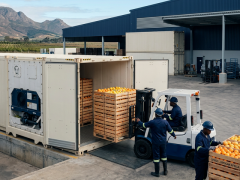
For shippers, forwarders and postal operators, this means strengthening cargo acceptance controls and making better use of customer and shipment data to identify higher-risk consignments before they reach airports.
The paper also recommends shipper education, accurate product information and effective incident reporting to help businesses recognise risks and prevent repeat occurrences.
IATA urged manufacturers and online marketplaces to ensure dangerous goods are correctly identified and product information is accurate. Airlines and ground handlers should strengthen checks before loading, while airports should improve coordination across their cargo communities.
Governments also had a role in strengthening oversight and enforcement of dangerous-goods requirements throughout the supply chain, the association said.