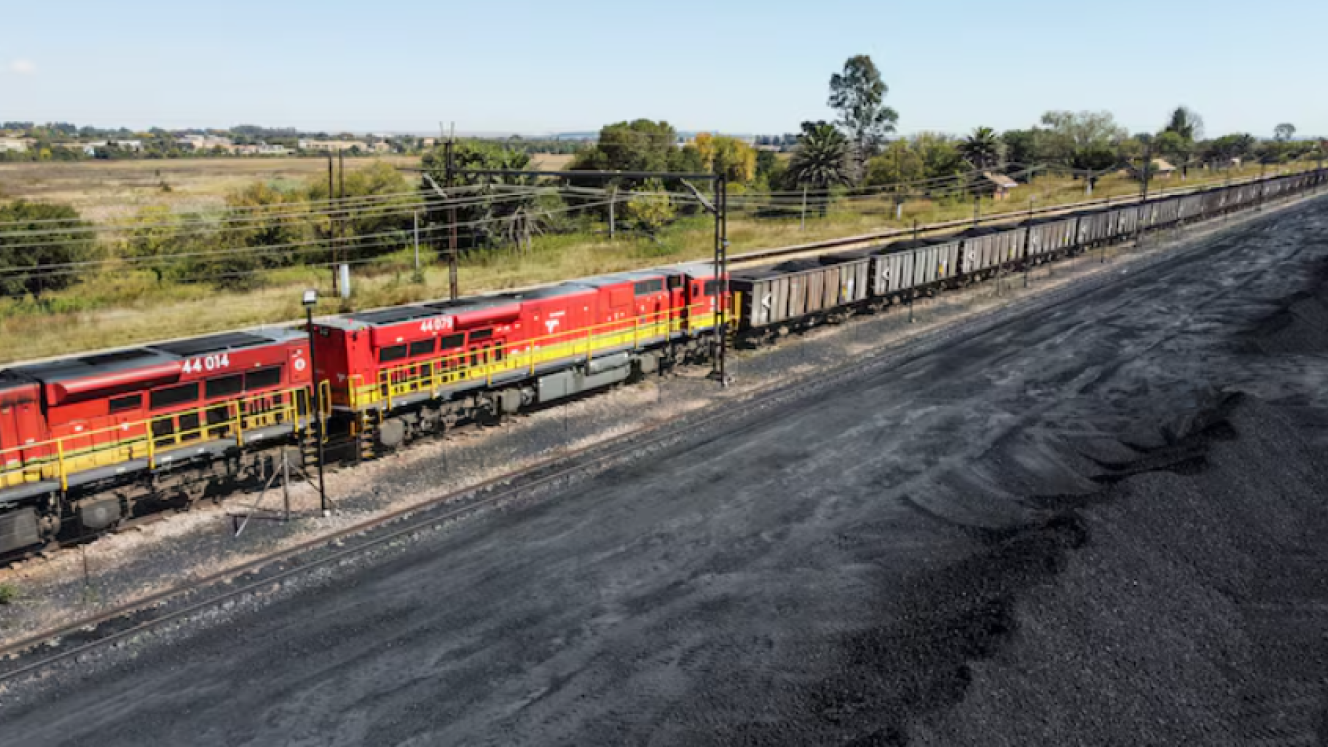
Annual rail safety permit costs will be redistributed between operators according to their activity levels and safety records rather than increased across the board, according to the Railway Safety Regulator (RSR).
The new rail safety permit fee model, introduced for the 2026/27 financial year, is designed to align fees more closely with operators’ activities and safety risks.
The previous model relied on siding lengths, a percentage of revenue, flat rates and a risk-free rate component, said Celine Morolong, Senior Manager: Corporate Communications at the RSR.
“All of which had little relationship to the safety risk or the regulatory effort applied to an operator,” she told Freight News.
Under the new model, annual safety permit fees comprise base, safety and activity components. The activity component is linked to train kilometres and load with freight measured in tonnes and passenger services by passenger journeys.
“The practical effect is redistribution rather than a general increase,” Morolong said.
Higher activity levels and more severe safety occurrences will increase an operator’s share of regulatory costs. Lower-risk operators may pay less, depending on their activity levels.
Dangerous goods movements carry a higher weighting than general freight, reflecting their “elevated consequence profile” and the regulatory oversight they require, Morolong said.
Fees for 2026/27 are calculated using verified 2024/25 data, the most recent full year available when the determination was prepared, according to the RSR.
Operator data must first be submitted, verified and reconciled while safety occurrence data is checked against the regulator’s records and relevant reporting categories. Occurrences are weighted according to severity rather than simply counted.
“This allows the safety component to reflect an operator’s risk profile,” Morolong said.
The model is recalculated annually, meaning changes in activity and safety performance will feed into subsequent fee determinations. Verified 2025/26 data will therefore be used to determine fees for 2027/28.
A three-year transition period has been introduced, for operators facing significant increases under the new methodology, to ease the financial impact.
The fee determination, published in the Government Gazette on September 8, identified 28 operators for migration during the transition, including Transnet Rail Infrastructure Manager, Richards Bay Coal Terminal, Saflog and several mining companies.
For these operators, the full impact of the new model will be phased in over several years.