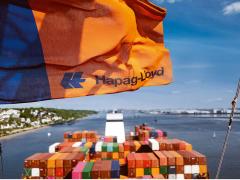
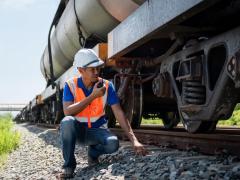
Southern Africa’s road corridors are increasingly under pressure as freight volumes and operational challenges grow. Moving more bulk cargo from road to rail would reduce pressure on road infrastructure, but it would also lower diesel consumption and improve road safety. The European Union’s Carbon Border Adjustment Mechanism (CBAM) adds further urgency to calls for increased rail capacity. as it puts carbon limits on imports of bulk commodities. Exporters will increasingly need verifiable data on emissions from production, energy use, cargo handling and transport. Lower-carbon rail and port systems with credible and verifiable emission data are needed to support exports by these sectors. In her keynote address to the 2026 Africa Rail Convention, Transport Minister Barbara Creecy said “the strategic shift of freight from road to rail is not only a transport imperative but also an economic and environmental necessity. “Within the SADC region, which collectively operates a railway network of approximately 40 000 kilometres, the rail sector must be positioned at the centre of an efficient and integrated freight and passenger transport system”. There is a quantifiable payback. “Economic modelling commissioned for the National Rail Master Plan indicates that every R1 million invested could generate approximately R4.3m in GDP growth, highlighting the significant potential economic impact,” she added. Earlier in the year, President Cyril Ramaphosa told the Inaugural National Transport Conference that “a critical imbalance exists in our freight network: approximately 69% of all freight moves by road. “This places immense strain on our road network and contributes to poor road safety. “Inefficiencies in logistics are estimated to cost our economy close to R1 billion a day. “That is a cost we should not – and need not – bear”. SA’s hopes lie in the 11 private train operating companies which have been allowed access to the rail network through the Transnet Rail Infrastructure Manager (TRIM) and attempts by Transnet to attract private investment to rehabilitate and operate neglected branch lines. SADC governments are increasingly integrating ports with transport corridors. Rail accounted for 39% of Maputo’s mineral cargo movements in 2023. The upgraded Beira-Zambia corridor anchors the North–South Rail Line, connecting northern and southern regions. Nacala’s coal terminal and planned expansion are integrated with the Moatize–Nacala railway. Dar es Salaam is improving rail and inland logistics links, including through the $1.4-billion TAZARA investment, while Walvis Bay’s proposed North Port includes high-capacity rail, road, pipeline and conveyor connections to industrial areas and the region. ER
Rail investment needed to keep volumes rolling
Comments | 0
© Now Media. This content is protected by copyright and may not be adapted or republished. If you would like to discuss cooperation opportunities, please contact: editor@freightnews.co.za.