Deaths recorded across South Africa’s railway system rose by 25.9% to 175 in 2025/26 despite a third consecutive annual decline in reported occurrences, according to the latest State of Safety Report by the Railway Safety Regulator (RSR).
Total occurrences, covering operational and security events, fell by 9.9% from 9 200 to 8 288 during the year ended March 31, 2026. Injuries declined by 14.8% to 357.
Derailments during the movement of rolling stock dropped by 27% to 246 while fires and explosions fell by 24.4% to 573. Security-related occurrences declined by 11.2% to 5 710 with theft of railway assets down 10.2% and malicious damage and vandalism down 15.1%.
“Total occurrences declined by 9.9% year on year with notable reductions in derailments, fires and explosions, theft of railway assets and malicious damage affecting operations,” RSR CEO Brian Monakali says in the report.
However, the reduction in occurrence numbers did not translate into fewer deaths. Members of the public accounted for 167 fatalities or 95.4% of the total.
There were 127 occurrences involving people struck by trains, resulting in 76 deaths. A further 65 fatalities were recorded in the category covering bodies found within railway reserves.
Many of the deaths in the latter category were not directly caused by rail operations, the report notes. Their inclusion means the overall fatality total should not be read solely as a measure of operational accidents.
Level crossing occurrences increased by 25.4% to 84, resulting in one death and 26 injuries. Incidents involving people boarding or alighting from trains rose by 117.2% to 63, causing 51 injuries.
The reporting period also marked a change in how freight rail occurrences were attributed following the separation of infrastructure management from train operations on April 1, 2025.
Transnet Rail Infrastructure Manager (TRIM) accounted for 6 256 occurrences, or 75.5% of the national total, while Transnet Freight Rail (TFR), as the train operator, accounted for 395 or 4.8%.
TRIM’s large share was consistent with its responsibility for infrastructure where most security-related occurrences took place, the report states. For comparisons with earlier years, the regulator combined TRIM and TFR figures because these were previously reported under the integrated TFR business.
Collisions during the movement of rolling stock increased by 0.5% to 763. Of these, 626 involved stray animals and 87.7% of all collisions were recorded on TRIM-controlled infrastructure.
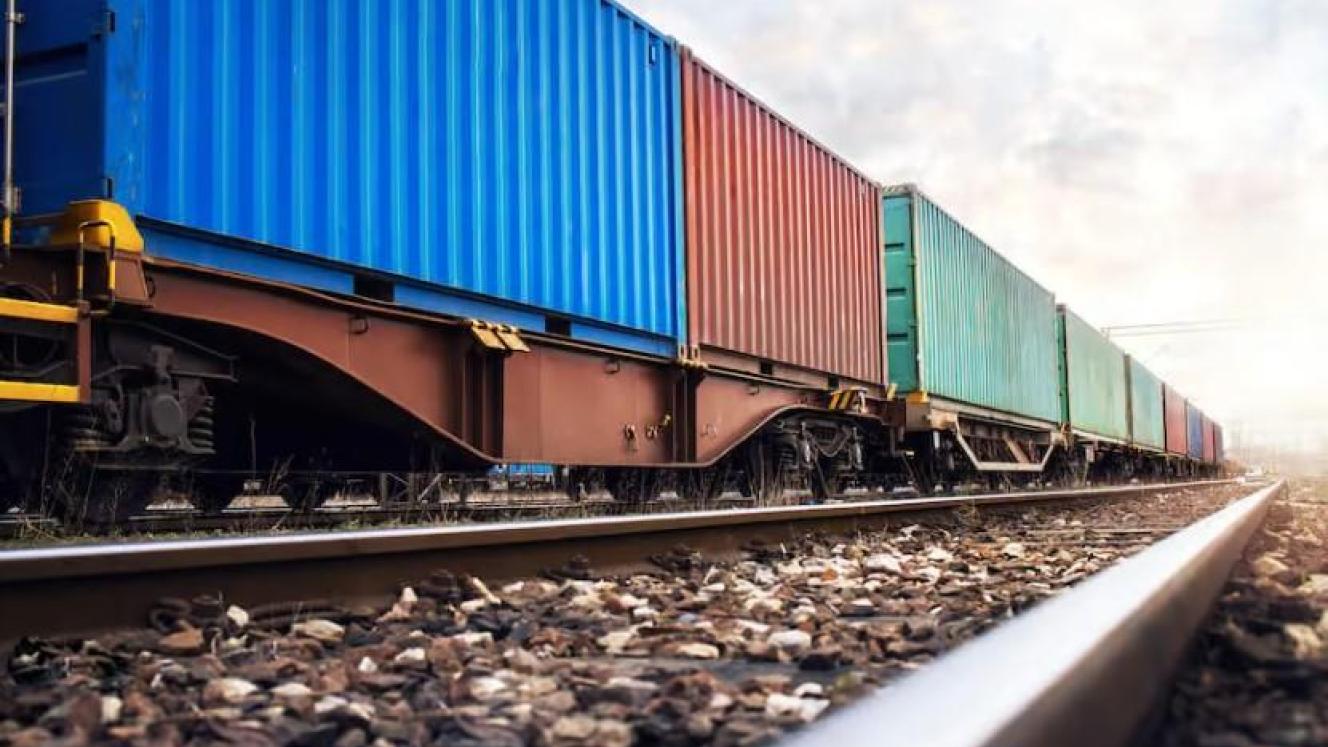
Freight transport activity remained broadly flat. TFR recorded 114.5 billion tonne kilometres, up just 0.2% from 114.3 billion in 2024/25. The measure reflects the weight of cargo carried and the distance travelled.
Rail reform and the introduction of additional operators will require closer coordination for safety, says Monakali.
“Key developments included the separation of infrastructure management from train operations in the case of freight rail as well as the introduction of open access, which resulted in the allocation of new freight train slots to 11 train operators.”
“While these developments create opportunities for growth and increased rail utilisation, they also require greater collaboration and shared accountability to manage emerging safety risks.”
The findings highlight the need for cooperation between government, operators, communities and law enforcement to address risks extending beyond train operations, says Monakali.