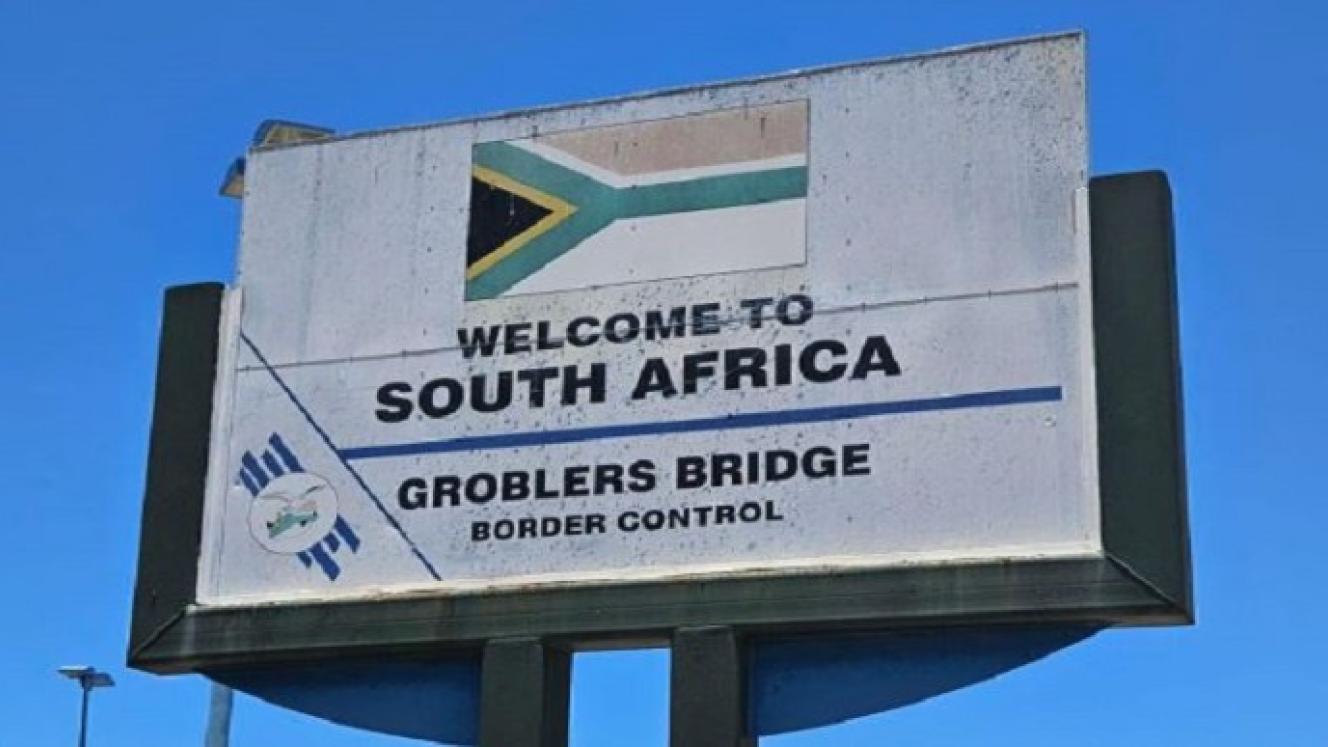
The South African Revenue Services (Sars) has given the go-ahead for cross-border cargo that has been pre-cleared to enter Botswana via alternative borders, because of bottlenecking at the Groblersbrug Border Post (GRB).
But the price impact on long-haul operators such as Van Tonder Transport is already being felt since supply chain congestion turned the N11 corridor into a choke point.
Although the transit generally carries Copperbelt cargo, Flippie van Tonder’s business has found a viable niche, trucking breakbulk grain from western Limpopo Province into Zimbabwe by looping through Botswana.
But on Tuesday he said that exclusively shuttling grain for international suppliers loading in producer areas like Thabazimbi and Northam had come under threat because of Groblersbrug.
“Under normal circumstances it takes a week to load and offload. Now it takes a week just to pass through the border.”
On Wednesday, Van Tonder said they had about 18 trucks waiting to trickle through Groblersbrug.
Earlier this week it was 24.
Because of unforeseen expenses, especially having to pay drivers for extra time in stationary trucks, he has already informed clients that rates will have to go up by about R400 per tonne.
Each grain-link rig run by Van Tonder’s, he said, carried about 38 tonnes.
“Business has been good and usually Groblersbrug serves us well. But recent congestion at the border is hard on our business.”
He explained that, because they didn’t have return-load delays compared with other hauliers who first had to pick up home-haul cargo, Van Tonder’s business model was based on tight timelines.
“We don’t make money if we don’t keep shuttling back and forth. When borders shut down or don’t work properly, we have to put our rates up. Ultimately, it’s the consumer in Zimbabwe that will feel the pinch in the price of bread and other staple foods.”
Heading to Bulawayo via Beitbridge wasn’t feasible, he added, as that border was too costly – approximately R8000 in transit fees per return trip – and using the more affordable, and usually faster, route via Groblersbrug had already been factored into their client costs.
Trans-Africa Border Hub confirmed on April 29 that Sars had said: “Following careful consideration, Customs has authorised the diversion of GRB pre-cleared trucks to alternative ports of entry to help reduce congestion. This arrangement will be in place from April 29 to May 3.”
Earlier this week personnel shortages related to the Freedom Day long weekend were cited as a principal reason for delays at the Groblersbrug border.
Ahead of the May Day long weekend, transporters carrying transit cargo through Botswana remain on tenterhooks as to how cross-border trade will be facilitated.
With the exception of Sars, “they never come back to us,” Van Tonder said when asked if any assistance from the Border Management Authority or the Cross-Border Road Transporter Agency had been received.