South Africa’s citrus industry has raised concern over the emerging impact of Middle East hostilities on export logistics, warning that rising fuel costs, shipping disruptions and new port charges could significantly strain growers during the upcoming export season.
Citrus Growers' Association of Southern Africa CEO, Dr Boitshoko Ntshabele, writing in his latest newsletter, said developments linked to the conflict were beginning to filter through the global economy, with direct consequences for the sector’s competitiveness.
“This week sees the possibility of a second round of talks between the United States and Iran within the context of a fragile two-week ceasefire agreement. All eyes are on this development as the impact of the hostilities is beginning to filter through the global economy – with everyone affected,” he said.
The association warned that a likely increase in domestic fuel prices would add further pressure to an already cost-intensive supply chain.
“Fuel runs a significant portion of farm activities, and fruit is transported from all areas to port, mainly via road transport,” Ntshabele noted, adding that the export season was now gaining momentum.
Shipping disruptions are already being felt.
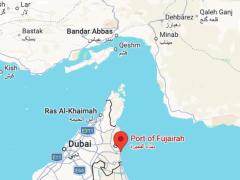
“As we have indicated, our season is set to begin in earnest and already some of our exports to the Middle East have arrived late as shipping and port destinations are revised on an ongoing basis,” he said.
Further concern has been raised over Transnet Port Terminals’ container fuel surcharge announced last week.
“As the CGA, we note and are concerned by Transnet Port Terminals’ announcement of additional container surcharges linked to ongoing hostilities in the Middle East. While the proposed amount is not punishing in itself, it is the potential escalation in price that is worrisome,” Ntshabele said.
He added that the situation highlighted the vulnerability of exporters to global instability: “These developments once again underscore how global instability directly affects our producers' ability to compete in international markets.”
He said the CGA had strengthened its data and market intelligence capabilities to respond more effectively.
“We have also established dedicated monitoring and review forums so that we can respond quickly, adjust our estimates in real time and provide our stakeholders with the insights they need to make informed decisions across the logistics supply chain. Our priority remains clear: doing everything to support continuity of supply,” Ntshabele said.
However, the cumulative cost pressures are mounting.
“As the financial impact of the war starts to filter through – taken with the announced Transnet surcharge – we are seeing what could become hallmarks of a challenging export season,” he said.
“Additional port-related charges could place a further strain on an industry that is already under pressure, with smaller and emerging producers particularly exposed. If sustained, this could have serious consequences for livelihoods and rural economies that depend on citrus.”
The association has called for policy support, echoing proposals from Agbiz and AgriSA.
“Government support will be critical. In the immediate term, this includes more targeted fuel-relief measures,” Ntshabele said.
The sector also wants longer-term reforms to improve market access, reduce tariffs and enable private-sector participation in logistics infrastructure.
“These interventions are not abstract policy issues – they directly affect growers on the ground, their workers and the communities they support,” he said.