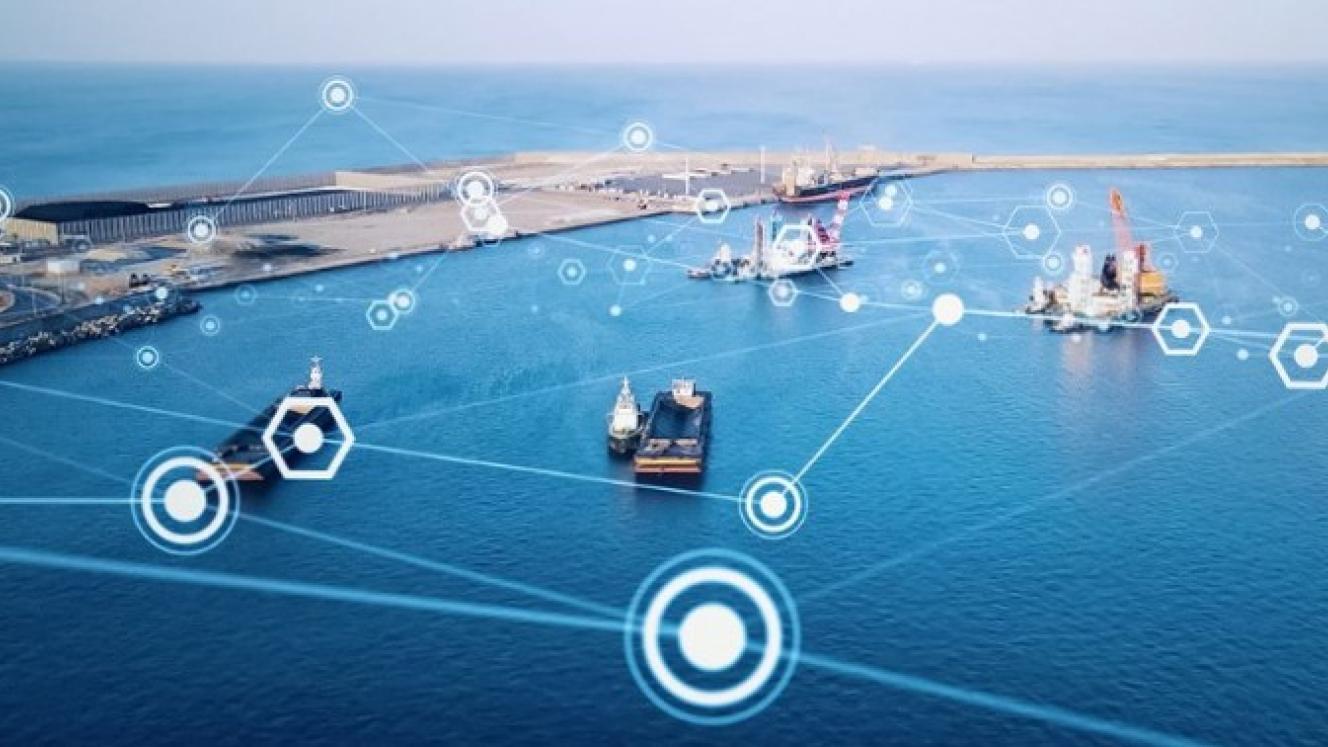
A framework to standardise port call data has been published by the International Association of Ports & Harbors (IAPH) and the International Harbour Masters Association (IHMA), setting out a common approach to how operational data is exchanged between ports and shipping.
The Port Call Optimisation (PCO) Guide defines a minimum set of port call data to be shared electronically to support vessel planning and coordination between ships, terminals and port authorities.
“Ship operators managing 100 vessels across 100 ports often face 100 different data formats and even conflicting information between sources such as nautical charts, port databases and agents,” IAPH and IHMA said in a statement.
“That fragmentation makes safe, efficient and sustainable operations unnecessarily difficult.”
The framework is aligned with existing standards from the International Maritime Organisation (IMO), International Organisation for Standardisation and International Hydrographic Organisation.
It has also been endorsed by industry bodies including the Baltic and International Maritime Council, the International Chamber of Shipping (ICS), Intertanko and Intercargo.
It identifies core data points for exchange, including terminal identification, planned time of arrival at the pilot boarding place and planned time of departure from berth. These are intended to support more consistent planning and operational coordination.
Two submissions linked to the guide were presented to the IMO Facilitation Committee (FAL 50). One introduces the PCO Guide and its minimum dataset while the other proposes the development of guidelines on port nautical information.
“The publication of the Port Call Optimisation Guide marks a significant, shared step toward safer, more efficient and predictable berth to berth navigation,” said IAPH managing director Patrick Verhoeven.
“The core principle of transparent, accurate and universal information exchange between all parties remains the overall objective to support safe and efficient port management,” said IHMA president, Captain Paul O’Regan.
The organisations said the framework had been tested through port-to-port data exchange trials, including a pilot between the Maritime and Port Authority of Singapore and the Port of Rotterdam.