Proposed changes to South Africa's gas regulatory framework could give LNG importers and traders greater access to regasification facilities and gas distribution networks currently outside mandatory third-party access requirements.
The National Energy Regulator of South Africa (NERSA) has backed provisions in the Gas Bill that would extend mandatory third-party access to distribution pipelines and LNG regasification facilities.
Presenting NERSA's submission to Parliament's Portfolio Committee on Electricity and Energy on August 11, full-time regulator member responsible for gas Nomfundo Maseti said the changes were needed to enable greater participation in a market characterised by significant barriers to entry.
Third-party access currently applies to transmission pipelines and storage facilities, but not distribution networks. This could prevent smaller suppliers that have secured their own gas from reaching customers located within an incumbent distributor's exclusive area.
“You may find a situation where a small company that wants to enter the market, and it has secured gas maybe with whatever volumes from Mozambique, is unable to trade in areas where there is a distributor that is given exclusivity,” Maseti said.
“That is problematic because it will mean that we need to check whether prices are competitive in those markets, and it will keep others outside of the market.”
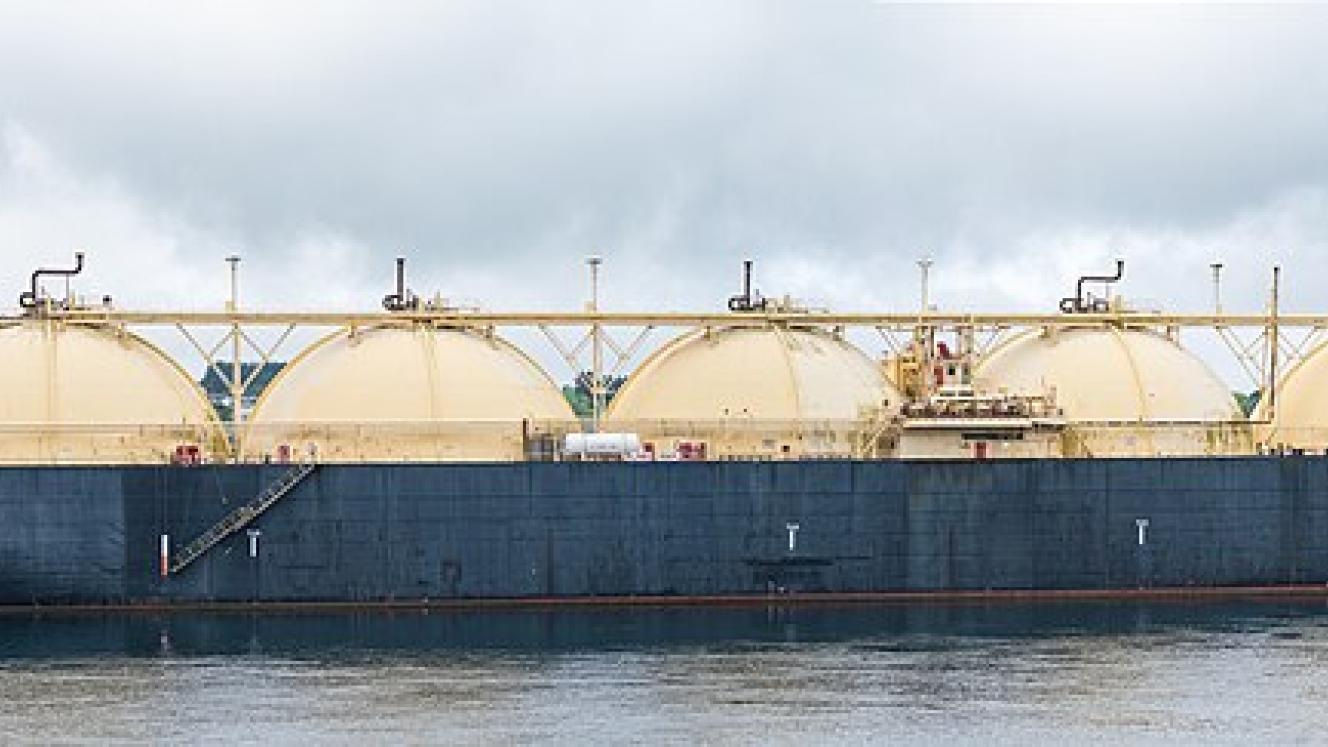
NERSA also supports extending third-party-access requirements to LNG regasification facilities, arguing that their high capital costs and natural-monopoly characteristics make it unlikely that competing facilities would be developed in the same market.
“If they get an opportunity or access to gas from any source, then they should be able to utilise that big infrastructure so that we can see meaningful participation,” Maseti said.
The regulator also wants its mandate broadened beyond the existing Gas Act's emphasis on “piped gas” to accommodate LNG and emerging low-carbon and renewable gases.
“The regulator should be technology neutral. We would not want gaps where there are other parts of monopoly markets that we are not able to regulate because the definition of gas is limited and the market keeps on changing rapidly,” Maseti said.
The Gas Bill would also give NERSA powers to regulate distribution tariffs, which are not covered by the existing Act.
Maseti said transmission and storage tariffs were currently regulated, while distribution tariffs were not. Distribution pipelines had natural-monopoly characteristics because they could not readily be duplicated.
NERSA has also backed provisions allowing it to set maximum gas prices rather than merely approve them, arguing that the existing approach limits its ability to constrain dominant suppliers in a market where competition remains limited.