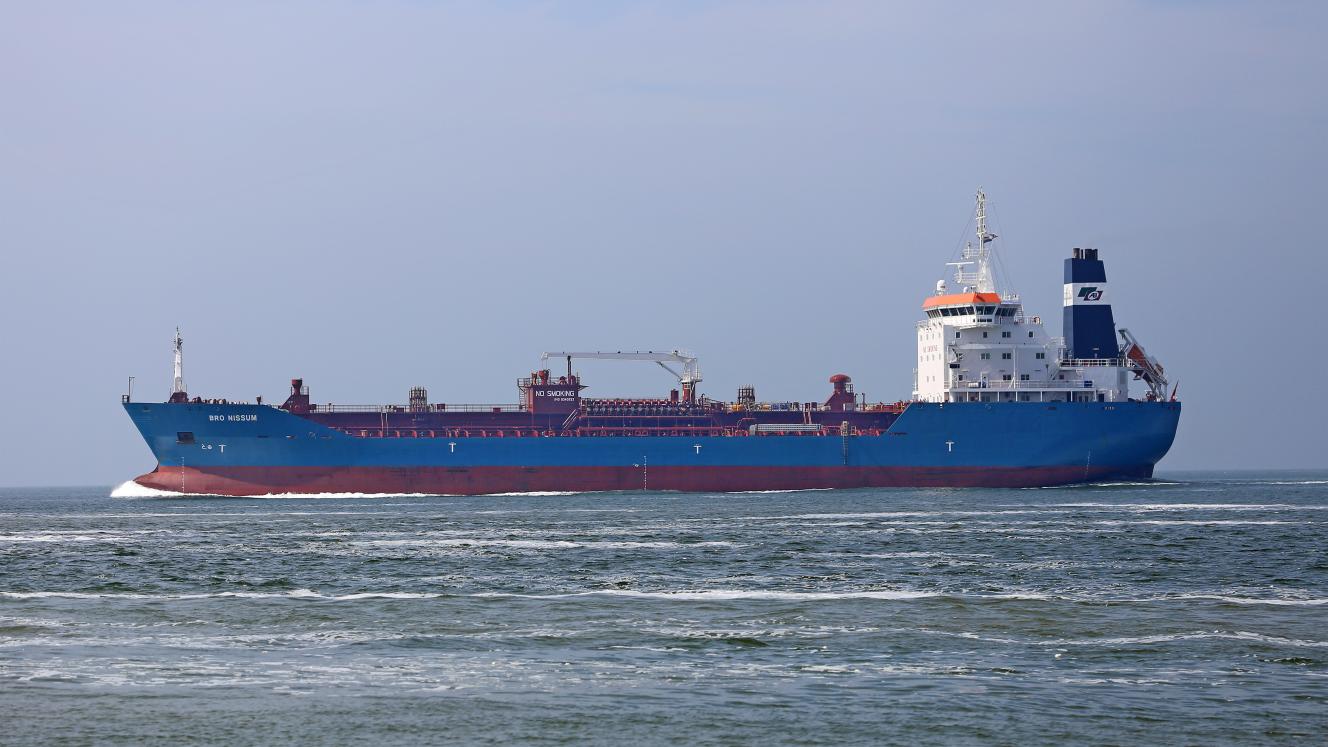
The possible return of sanctioned oil tankers to mainstream shipping may do little to ease elevated tanker freight rates, while introducing additional safety and compliance risks, maritime intelligence specialists have warned.
The comments follow reports that the US administration is considering easing sanctions on selected vessels previously involved in transporting sanctioned oil. The discussions concern allowing vessels to carry non-sanctioned cargoes, potentially increasing available shipping capacity and lowering rates, Reuters reported on October 15.
However, bringing older vessels into mainstream trades would take time, Greg Miller, senior reporter at Lloyd’s List, said during The Week in Maritime Intelligence webinar on October 22.
Maintenance work and retrofits would be needed before some vessels could enter conventional trades, limiting their immediate contribution to available capacity, he said.
Deploying additional tankers in the Strait of Hormuz shuttle trade could also increase demand for time-consuming ship-to-ship transfers in the Gulf of Oman, potentially adding pressure to an already strained system, Miller said.
Under this arrangement, shuttle tankers carry oil from Gulf producers through the strait before transferring their cargoes to other tankers outside it for onward delivery, the Associated Press reported. This allows receiving vessels to collect oil without entering the Gulf themselves.
Lloyd’s List Intelligence reported on October 8 that congestion in the Gulf of Oman transfer network was already prompting some operators to seek alternatives, including direct deliveries to India and transfers off India’s west coast.
Meanwhile, shifting trading patterns among vessels associated with sanctioned oil could complicate compliance checks for shipowners, charterers and other shipping stakeholders.
Some tankers previously associated with deceptive shipping practices were increasingly carrying non-sanctioned cargoes, Tomer Raanan, senior maritime intelligence analyst at Lloyd’s List Intelligence, said during the webinar.
These vessels, sometimes described as “flippers”, had shifted from carrying sanctioned oil to transporting non-sanctioned cargoes, blurring the distinction between shadow fleet and mainstream operations, he said.
Vessels potentially eligible for sanctions relief could nevertheless face obstacles because of maintenance and classification concerns, while differences between US, UK and European Union sanctions policies could further complicate their return to mainstream trades, Raanan cautioned.