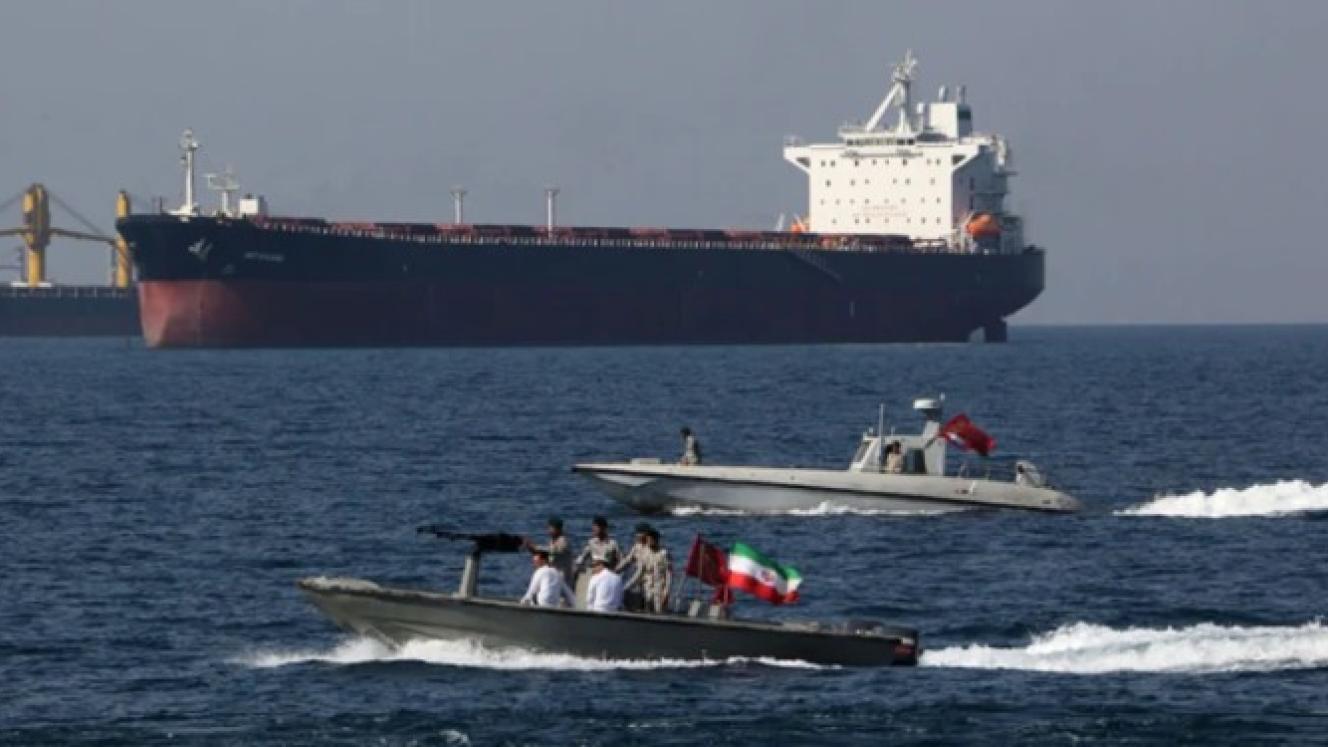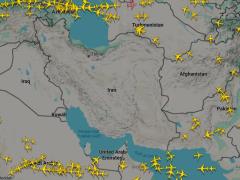
Amid escalating shipping costs for vessel transits through the Strait of Hormuz, the largest maritime insurance mutuals have indicated that cover for ocean trade through the war-risk choke point will be cancelled starting this Thursday.
Of the 12 members of the International Group of Protection and Indemnity Clubs, the following insurers have announced the cancellation of war-risk insurance from midnight March 5 – Gard AS and Assuranceforeningen Skuld, both based in Norway; London P&I Club; Steamship Mutual Underwriting Association, also in the UK; The American Club; and The Swedish Club.
By Friday, February 28, Skuld had already indicated that it anticipated a high level of insurance risk in the Strait of Hormuz.
In a General Notice of Cancellation, the Oslo-based insurer said: “It is already evident that reinsurers’ appetite for war risk exposure is tightening and, in practical terms, it will result in reinsurers withdrawing capacity at short notice.
"Against this backdrop, the association has therefore decided to issue the assureds with a notice of cancellation of the War Risk Cover."
Neal Roberts, head of marine and aviation at Lloyd’s Market Association, has told Claims Journal: “The London insurance market is reacting proportionately to developments; marine insurers are assessing their exposures and reacting according to the provisions of their contracts which might include giving notice of cancellation.”
Dylan Mortimer, marine hull UK war leader at Marsh, the world’s largest insurance broker, estimated that “near-term rate increases for marine hull insurance in the Gulf could range from 25% to 50%, barring any direct attack on merchant shipping, which could have major repercussions across war insurance rates”.
Skuld has said that war-risk cover for the entire Gulf zone, including the waters west of the Cape al‑Hadd-Iran-Pakistan line, stretching into the Arabian Sea, is included in its decision to cancel war-risk insurance.
Maritime Executive reports: “Basic P&I, FD&D (free of damage and defence) and Excess War Risk are unaffected – but without baseline war risk cover, owners are unlikely to venture into an active combat zone.”