A new initiative to combat the illegal trafficking of ivory will see the introduction of ivory detection dogs at seaports, airports and other ivory trafficking chokepoints in East Africa, and aims to establish a “canine centre of excellence” on the continent.
Rangers from Tanzania’s Wildlife Division and the Kenya Wildlife Service (KWS) recently graduated alongside their four-legged partners—eight ivory detection dogs—following two months of intensive training under African Wildlife Foundation’s (AWF’s) Conservation Canine Programme.
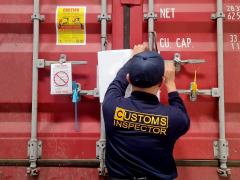
Under a Memorandum of Understanding (MOU) signed between AWF and Wildlife Division, a dog detection team will first be installed at the Port of Dar es Salaam, where it will search shipping containers for smuggled ivory moving through the busy East African port.
A similar MOU was signed between AWF and KWS to install dog detection teams at the Port of Mombasa, as well as other identified export hubs—Jomo Kenyatta International Airport and the border crossings of Lunga Lunga and Namanga, for example—through which ivory is trafficked.
The Ports of Dar es Salaam and Mombasa have long been identified as primary export hubs for trafficked ivory out of Africa. Between 2006 and 2014, more than 85% of seized savannah elephant ivory was traced back to East Africa, much of it from south eastern Tanzania.
Between 2009 and 2015, an estimated 188 170 kg of ivory was reportedly smuggled through Kenya’s Port of Mombasa.
Ivory detection dogs move into action at Dar
Comments | 0
© Now Media. This content is protected by copyright and may not be adapted or republished. If you would like to discuss cooperation opportunities, please contact: editor@freightnews.co.za.