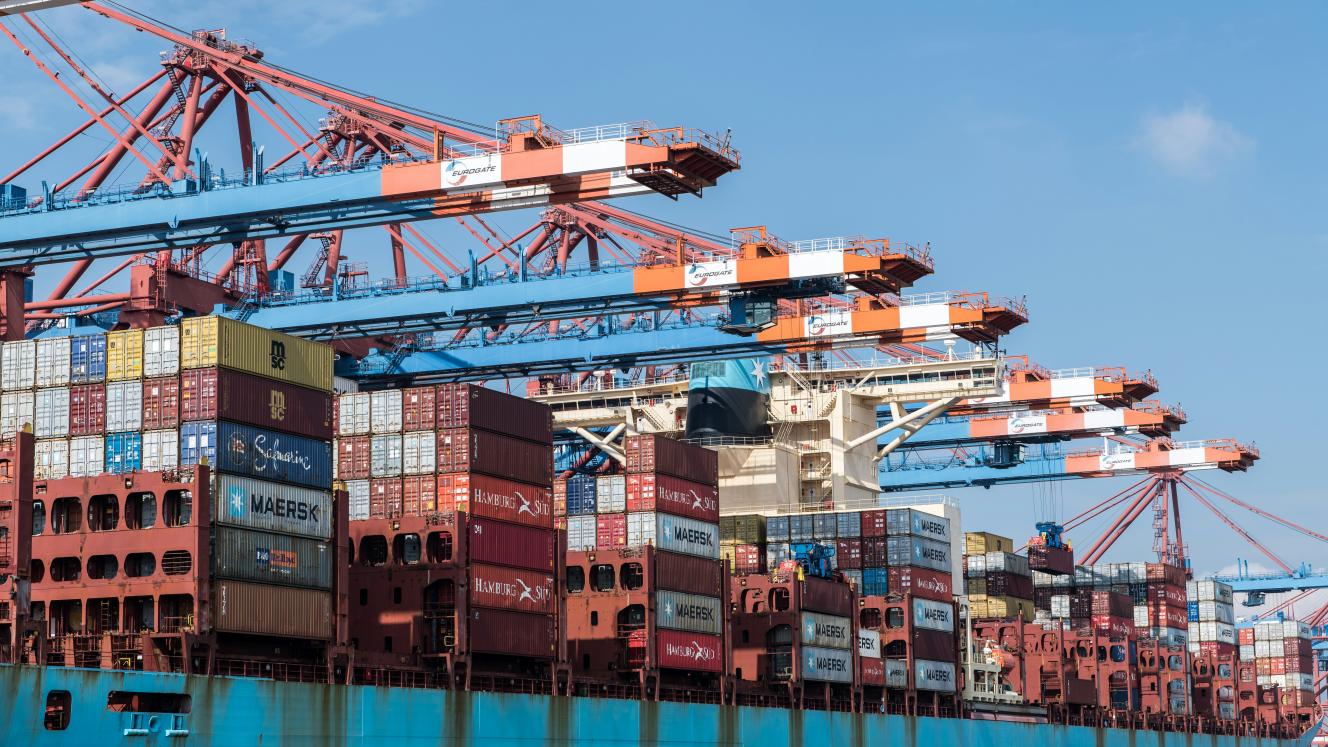
Regional bulk cargo logistics is being reshaped by four interacting forces: geopolitical rerouting, a changing commodity mix, decarbonisation rules and the competition to develop rail–port corridors linking South African Development Community (SADC) bulk shippers to global markets. For South Africa and neighbouring states, the focus has moved from theoretical port capacity to actual vessel turnaround times, combined with reliable and efficient rail access, verified and compliant emissions data and alternative routing during disruptions. These changes are occurring within an international bulk transport system which is becoming more expensive, more regulated and more geographically fragmented. “Freight markets are no longer predictable on the basis of seasonal patterns alone,” according to iContainers. “The combination of geopolitical disruption – sustained Red Sea rerouting, US-China trade reorientation, shifting tariff regimes – and the ongoing structural digitisation of carrier systems and documentation has made data literacy one of the most valuable skills a freight professional can carry. “Forwarders who can read rate indices, interpret vessel tracking data and translate cargo volume statistics into actionable booking strategy are operating at a fundamentally different level than those who cannot,” it says. Shipping costs are one of the main factors cargo owners and their agents need to monitor. On September 3, the Baltic Dry Index shipping rates hit a near five-year high, driven largely by an 8% increase in the Capesize rate – the highest since 2023. Average daily earnings for Capesize vessels, which typically transport 150 000-ton cargoes including iron ore and coal, rose $3 632 to $51 298, according to the index. Bulk volumes are also being affected by the trend for countries to escape the colonial trap of being raw material exporters and importers of value-added goods by gazetting regulations requiring local beneficiation. “Restrictions on exports of raw materials to favour domestic users to the detriment of foreign users are some of the most contentious forms of state intervention,” says the 2025 OECD Supply Chain Resilience Review. It adds that European and British regulations are requiring domestic companies to conduct due diligence investigations on their suppliers to ensure the sustainability of their supply chains. “Firms can even be held liable for any failures to prevent damage done to the environment or workers by their suppliers,” it adds. In addition, governments are banning goods from entering or being sold in their market for which adherence to relevant social and environmental standards in their supply chain cannot be adequately guaranteed, it says. “While the creation of supply chain sustainability regulations is motivated by real and pressing concerns, their emergence may also pose an additional stressor to global value chains,” the report warns. In the SADC region’s favour is the growing demand for critical minerals. Copper, cobalt, manganese, lithium-bearing materials, graphite and related concentrates are likely to attract infrastructure investment and new corridor competition. This favours SADC corridors that combine mineral transport with processing, customs facilitation, backhaul cargo and regional industrial development, according to analysts. ER
Global shifts reshape regional trade routes
Comments | 0
© Now Media. This content is protected by copyright and may not be adapted or republished. If you would like to discuss cooperation opportunities, please contact: editor@freightnews.co.za.