The Citrus Growers’ Association of Southern Africa (CGA) says it is closely monitoring fuel availability and cost due to the conflict in the Middle East ahead of the start of the 2026 citrus season.
These factors will impact the upcoming citrus season, which begins in April.
The CGA said it had also received reports of isolated diesel shortages, which is concerning.
“While official assurances indicate that national supply remains stable, industry participants have reported limited diesel availability at certain stations, seemingly caused by unusual buying patterns and controlled allocation by industry players,” the associations said on Monday.
The CGA called for an urgent, integrated national approach involving government, fuel suppliers, logistics operators, growers and exporters to confront the fuel price crisis.
"Strong coordination, transparency and contingency planning will be essential to ensure the upcoming season proceeds with as little disruption as reasonably possible,” said CGA chief executive Dr Boitshoko Ntshabele.
“The government must take into account the important contribution of agriculture exports to the economy," Ntshabele said.
South Africa is the world's second-largest exporter of citrus, and citrus is the country’s largest agricultural export sector.
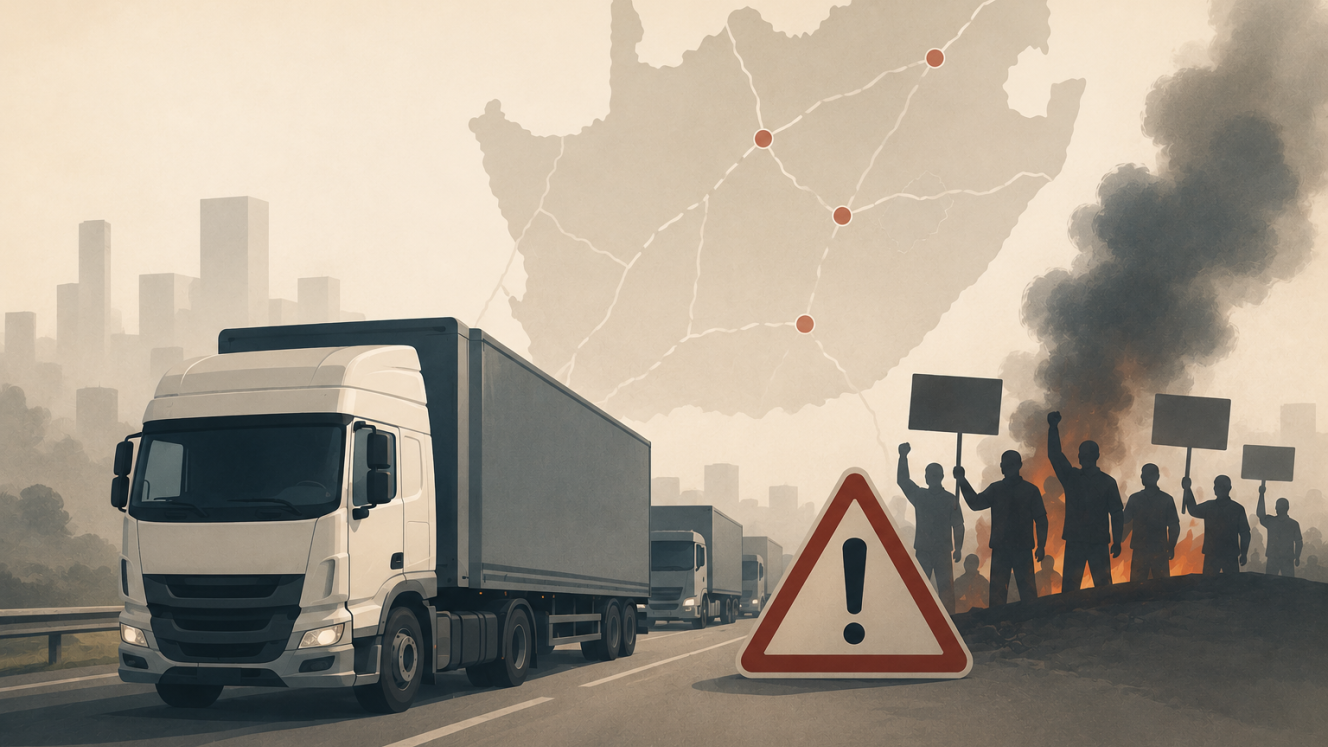
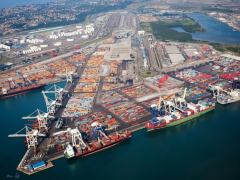
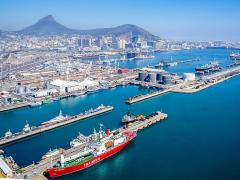
Some 95% of the national citrus crop moves by road to ports. Should controlled selling or limited availability of diesel persist, it could directly affect the functioning of the citrus supply chain.
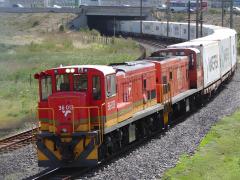
"This points to the problems inherent in a logistics system almost wholly reliant on trucks. Over the longer term, greater freight rail activity is needed, and the CGA is grateful that private sector involvement in rail is progressing, but it needs to happen at a greater scale and a faster pace," Ntshabele said.
He added that the CGA supported fuel measures recently proposed by Agbiz, Agri SA and the Fuel Industry Association of South Africa (Fiasa).
"Recent developments place additional strain on our sector, which supports 140 000 jobs at farm level. We therefore encourage government to assist in mitigating negative impacts and to create an enabling environment that supports the continued growth of the citrus industry,” Ntshabele said.
“This includes action on improved market access to China, India, the United States and the European Union. We need better access and more markets now more than ever," he said.
The call from the CGA comes after President Cyril Ramaphosa yesterday asked Finance Minister Enoch Godongwana to find ways to soften the impact of the fuel price hike.
Ramaphosa told delegates at the ANC Limpopo conference that the looming increase was giving him sleepless nights. He has established a ministerial task team to urgently explore ways to cushion the country from the economic impact of the Middle East crisis.
Meanwhile, AgriSA and Agbiz have urged the government not to wait until April 1 but to hike fuel prices immediately as shortages and rations impact rural towns.
A recent survey by the organisations has revealed low supply and rationing in some regions. Fuel retailers in small towns in the Northern, Western and Eastern Cape and KZN have been affected, while rural fuel stations in Mpumalanga and the Free State say they have restricted diesel sales, ranging from 40 to 100 litres per customer.
Fiasa executive director Avhapfani Tshifularo has also reported an increase in fuel stations running out of diesel and panic buying in some areas, resulting in delivery delays and intermittent stock‑outs.
According to IOL, the Central Energy Fund’s month-end data indicates likely petrol price increases of up to R5.31 for 93 unleaded and R5.82 for 95 unleaded petrol, while the diesel price is expected to rise by between R10.13 (500ppm) and R10.27 (50ppm) on Wednesday. The official price adjustment will be announced at the latest on Tuesday.