South Africa risks losing access to its largest automotive export market and forfeiting up to R291 billion in export revenue unless government urgently enacts an end-of-life vehicle (ELV) regulatory framework, organised labour has warned.
The Motor Industry Staff Association (MISA), the largest trade union in the retail motor industry, has called on the Department of Trade, Industry and Competition (DTIC) to rapidly establish a worker-centred framework to protect the country’s export market and safeguard domestic employment.
An ELV framework provides a legal mechanism to ensure that vehicles reaching the end of their useful lives are systematically depolluted, dismantled and recycled.
The EU does not require South Africa to introduce its own ELV legislation. However, MISA argues that a domestic framework would help the local automotive industry recover recycled materials and align with the EU’s new requirements for vehicles sold in its market.
Regulation (EU) 2026/1738 on circularity requirements for vehicle design and the management of end-of-life vehicles entered into force on August 13 and will begin applying from September 1, 2028. The regulation applies to vehicles placed on the EU market, including imported vehicles. It introduces requirements covering circular vehicle design, recyclability, digital documentation and the use of recycled materials.
New vehicles will have to contain at least 15% recycled plastic from September 2032, increasing to 25% from September 2036.
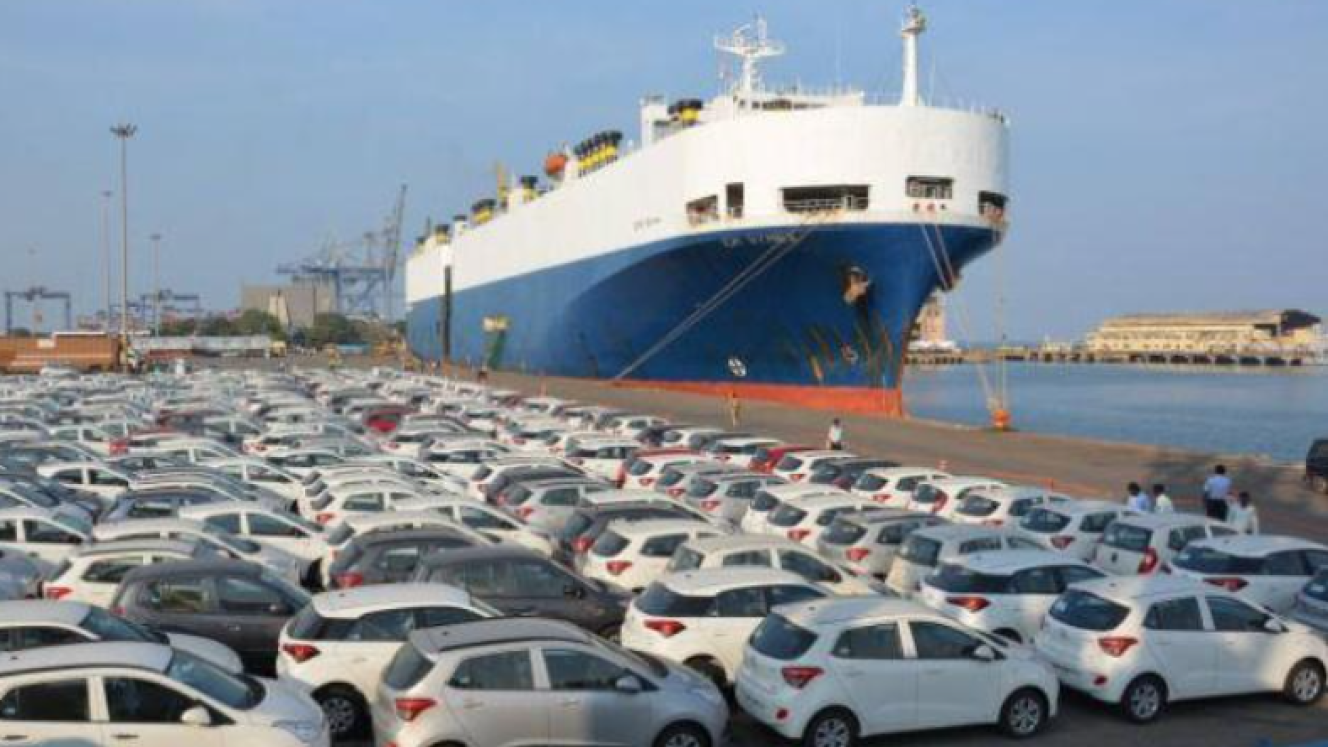
According to MISA, roughly three out of every four vehicles exported from South Africa are destined for Europe.
South Africa’s automotive sector contributes 5.2% to gross domestic product and supports around 500 000 formal jobs across the wider automotive value chain.
Manufacturers that fail to comply with the EU requirements could face barriers to selling their vehicles in Europe. MISA maintains that establishing a formal domestic framework would also create an industrial opportunity to protect existing employment and create new jobs.