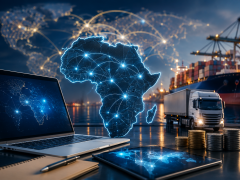
The growing need for energy supply in Africa presents a strong trade growth opportunity but access to trade – particularly in landlocked countries such as Malawi, Zimbabwe and Zambia – will remain a logistical challenge in the foreseeable future for both South African and global businesses due to the continent’s lack of infrastructure and challenging customs procedures.
This according to Bruce Marshall, country manager: Zambia, Zimbabwe and Malawi of Maersk Line, who said that despite these challenges the continent had massive economic potential and fostering trade played a critical role in stimulating various growing industries in the rest of the world, such as financial services, energy and technology.
“Establishing reliable trade lanes between the continent and the rest of the world is therefore key to stimulating Africa’s economy-generating industries, in order to meet the growing needs of its customers,” he said.
Jonathan Horn, managing director of Maersk Line in southern Africa, pointed to the United Nations’ Sustainable Development Goals, which were under the spotlight at the UN Sustainability Summit 2015 at the weekend.
“The summit highlights the importance of trade between Africa and global markets as it is the cornerstone of sustainable economic growth and can be an engine that drives employment and growth in Africa’s economies,” said Horn.
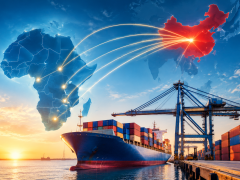
Marshall said that one of the commercial opportunities present in Africa was the need for energy. “This has been recognised by global exporters of energy products such as China. Africa is the ideal place for alternative and innovative energy solutions, as many countries cannot depend on conventional electricity resources.”