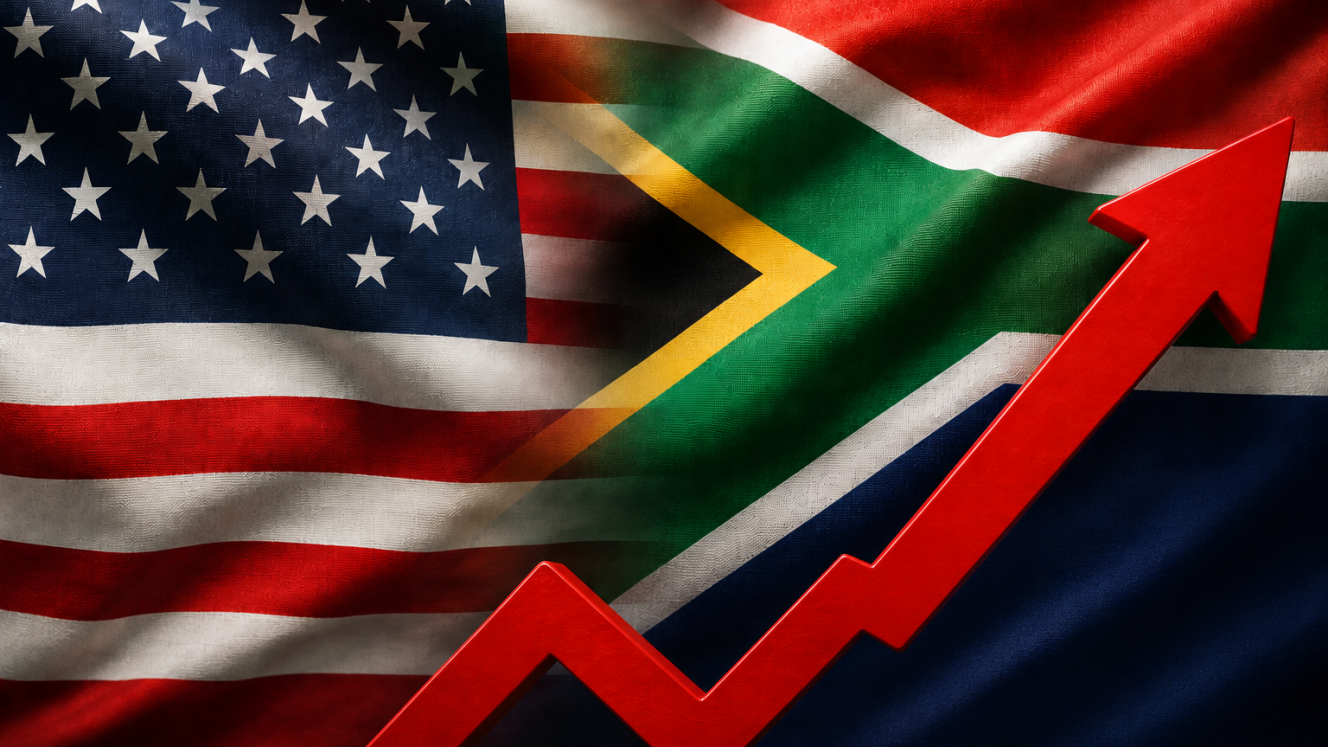
The United States has confirmed that most South African imports will be subject to a 12.5% tariff under its new Section 301 forced-labour trade action, after South Africa failed to secure a lower rate despite submissions by government and industry.
The tariffs took effect at 12:01 am EDT (06:01 South African time) on Friday, replacing the temporary 10% tariff that has applied globally for the past 150 days. They were imposed under Section 301 of the US Trade Act of 1974 following an investigation into whether 60 trading partners adequately prohibit and enforce bans on imports produced with forced labour, according to a White House presidential memorandum.
In the memorandum, President Donald Trump directed the US Trade Representative (USTR) to impose a 10% tariff on 17 named economies and a 12.5% tariff on all other investigated economies. South Africa was not included in the countries qualifying for the lower rate and therefore falls into the 12.5% category.
The tariffs were intended to encourage trading partners to strengthen prohibitions on goods produced with forced labour and improve enforcement of existing measures, the White House said. While the tariffs apply broadly, numerous products remain exempt, including goods already covered by national security tariffs, certain raw materials, critical minerals and products identified in the memorandum's annex.
South Africa, together with organised agriculture and the private sector, argued against the proposed tariff increase during the USTR's consultation process.
Agbiz chief economist Wandile Sihlobo said the increase from 10% to 12.5% was disappointing but considerably less severe than the 30% "Liberation Day" tariff South African exporters had previously faced.
"The South African government, private sector and organised agriculture made submissions to the US authorities against this rise in tariffs. But that message and clarification didn't find a fertile ear."
Sihlobo noted that several of South Africa's agricultural competitors, including Australia, Peru and Chile, also faced similar tariff levels, while important export products such as oranges, fruit juices and nuts remained exempt.
The United States accounted for about 4% of South Africa's agricultural exports in 2025, with exports valued at $504 million. Major exports included citrus, berries, grapes, wine, fruit juices, apples, pears, apricots and nuts.
South African agricultural exports to the US declined during the tariff uncertainty last year. Exports fell 11% year on year in the third quarter of 2025 and 39% in the fourth quarter, although annual exports were only 3% lower because exporters had accelerated shipments during the temporary suspension of higher tariffs, Sihlobo said.
He said the lower 12.5% tariff, while still undesirable, should support stronger agricultural export activity in 2026 than would have been possible under the previously proposed 30% tariff.