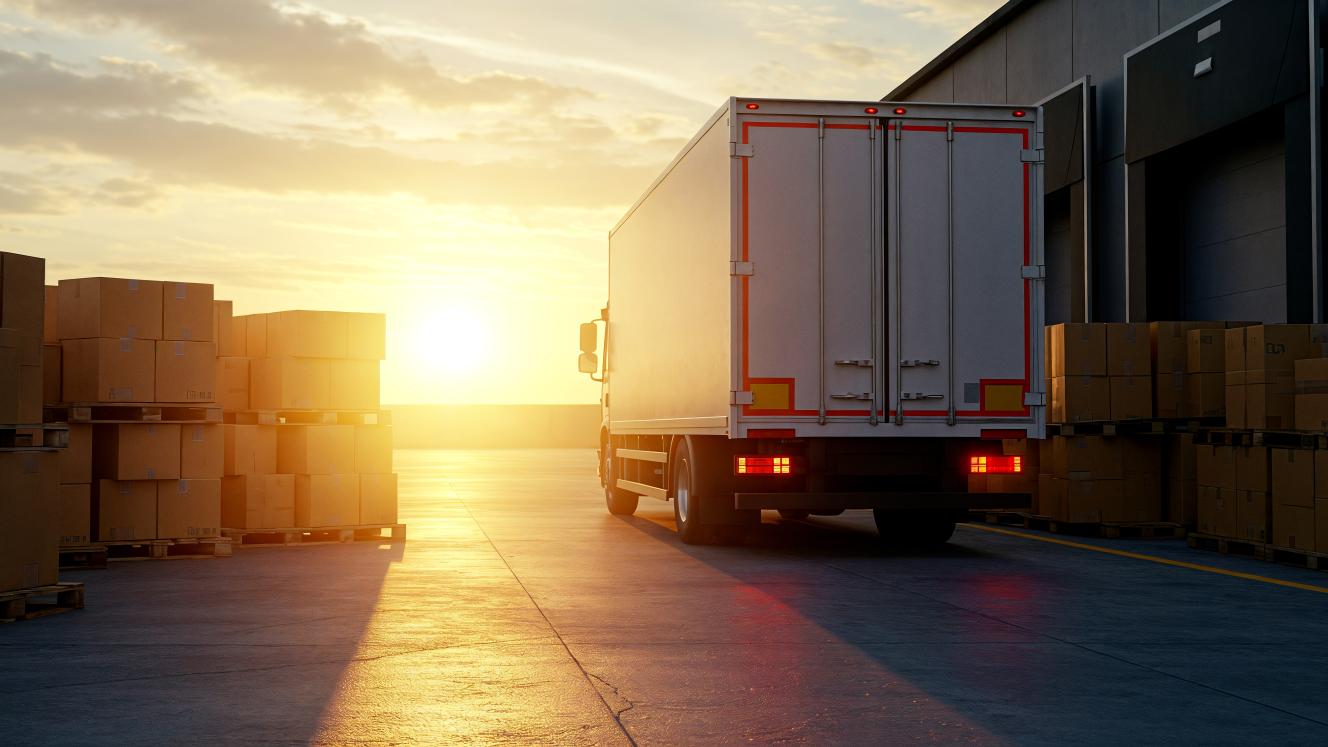
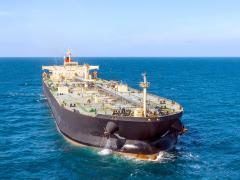
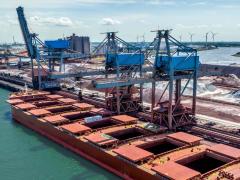
Not only are oil tanker operators seeing their vessels lying idle due to the closure of Middle East operations, carriers of a range of other commodities have also been affected. They include shippers of fertilisers, methanol, aluminium, sulphur and aluminium, according to Rebecca Geldard of the World Economic Forum. All have knock-on effects on global manufacturing and, therefore, shipping volumes. Middle Eastern countries provide 13% of global exports of nitrogen and 9% of phosphate fertiliser nutrients, according to the United Nations Conference on Trade and Development (Unctad). “Energy, fertilisers and food are closely linked through production and trade, meaning constraints in one area can quickly affect others, with implications for food security, trade and development outcomes,” it says. Nearly half of all global seaborne sulphur trade passes through the strait. It is needed to produce both batteries and fertiliser. A shortage will affect the volumes of copper and agricultural commodities to be shipped. Also affected are shipments of methanol, used in the production of resins, coatings and plastics. Manufacturers – particularly those in China – are also being affected by glycol (MEG) shortages, with the region shipping 6.5 million tons in 2025. Aluminium shipments have also been affected. Over 150 000 tons of metal registered on the London Metal Exchange have been pulled from warehouses, according to Geldard. Another high-impact commodity is helium, with Qatar meeting a third of global demand. It is used in semiconductor manufacturing and healthcare. The Gulf is a significant supplier of high-grade iron ore pellets and direct-reduced iron. ER
Commodity shipments hit by the Gulf War
Comments | 0
© Now Media. This content is protected by copyright and may not be adapted or republished. If you would like to discuss cooperation opportunities, please contact: editor@freightnews.co.za.