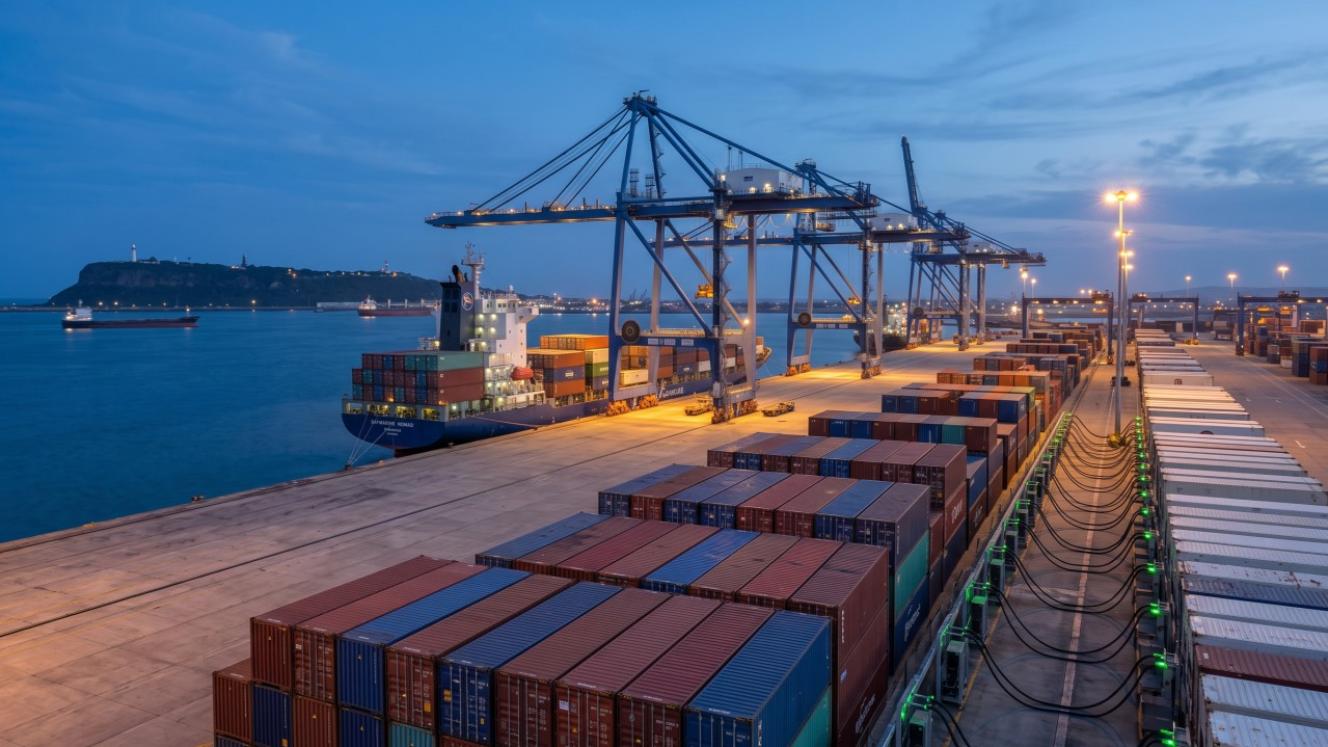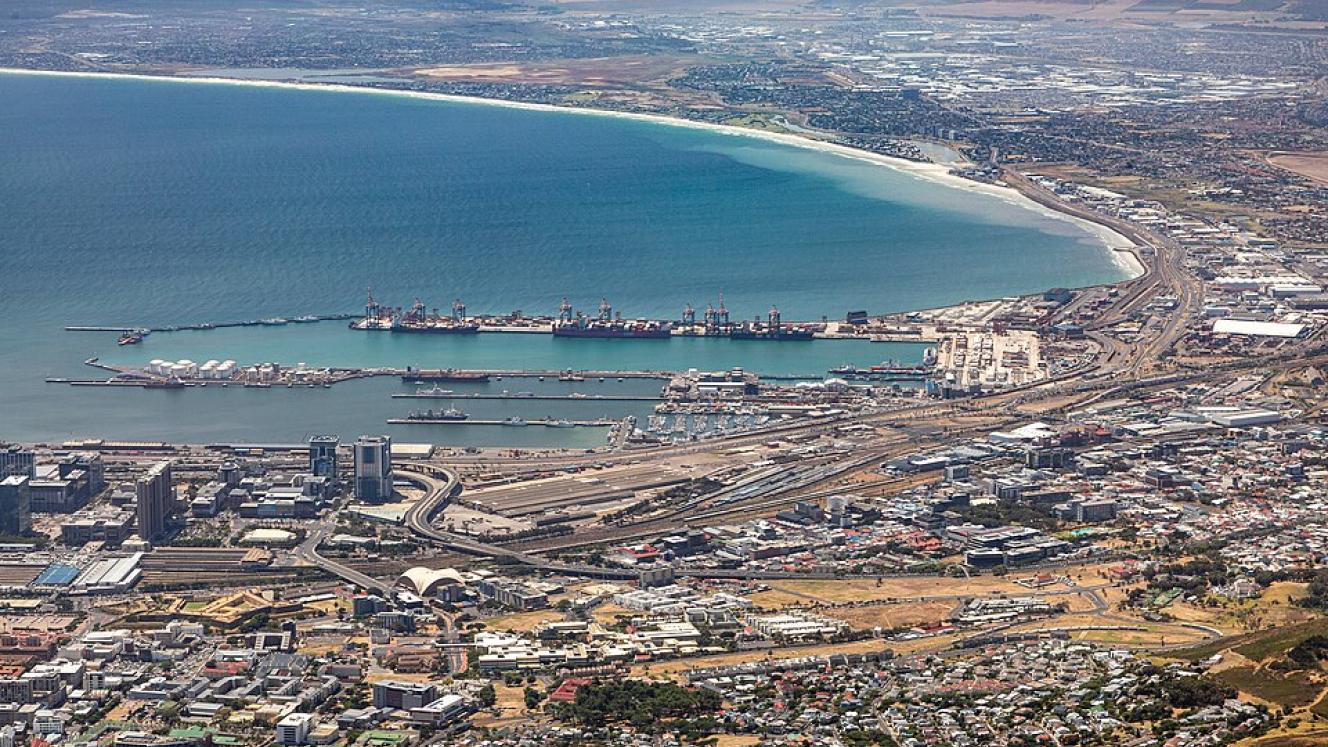
Ongoing instability in the Middle East and security threats along key maritime routes are continuing to divert vessels around the Cape of Good Hope, creating opportunities for South Africa's ports, logistics operators and maritime services sector.
This shift highlights the strategic importance of South Africa's position on global shipping routes, says Sandile Ndlovu, executive director of the Aerospace, Maritime and Defence Industry Association (AMD).
"The diversion of shipping around the Cape route carries important economic, logistics, industrial and strategic implications for South Africa," he says.
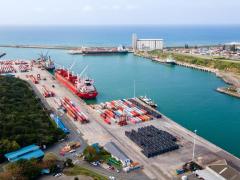
As shipping lines seek alternatives to traditional trade routes, South Africa has an opportunity to strengthen its role as a maritime services hub by improving port efficiency, expanding logistics capabilities and growing support industries such as ship repair and bunkering.
"Increased shipping traffic creates opportunities for local ports, logistics operators, ship repair facilities, bunkering providers, maintenance companies and maritime security operators," says Ndlovu. "It also presents South Africa with an opportunity to strengthen port efficiency and infrastructure, expand its maritime logistics capabilities, grow ship repair and maintenance capacity, enhance maritime security and support the development of the broader ocean economy."
Ongoing uncertainty surrounding the Strait of Hormuz continues to highlight the vulnerability of global supply chains and the importance of secure maritime trade routes, Ndlovu says. "The Strait of Hormuz remains one of the most strategically significant maritime choke points in the world. A substantial portion of global oil and liquefied natural gas exports passes through this narrow corridor every day. Any instability, military tension or security threat affecting the route immediately raises concerns across international energy markets and global supply chains."
The consequences are felt well beyond the maritime sector. "For countries such as South Africa, rising global fuel prices have a direct impact on transport costs, industrial production, inflation and overall economic growth prospects." Ndlovu says the situation demonstrates the growing importance of maritime resilience and the need for investment in infrastructure and services that support international shipping. "It also demonstrates why maritime security can no longer be viewed as a secondary issue. It is fundamental to economic resilience, industrial sustainability, energy security and national stability."
The maritime sector is facing a growing range of challenges, including piracy, illegal fishing, maritime trafficking, cyber security threats and increasing competition for maritime resources. As a result, demand for stronger maritime capabilities, closer international cooperation, advanced surveillance systems and more resilient maritime industries is increasing, Ndlovu says.
Several strategic engagements scheduled for the coming months could help shape the future direction of the sector, he says. These include a Defence Industry Indaba, to be convened by Defence Minister Angie Motshekga and officiated by President Cyril Ramaphosa, as well as SADC Industrialisation Week in Durban, where member states will discuss regional industrial development and ways to strengthen the region's response to emerging challenges.