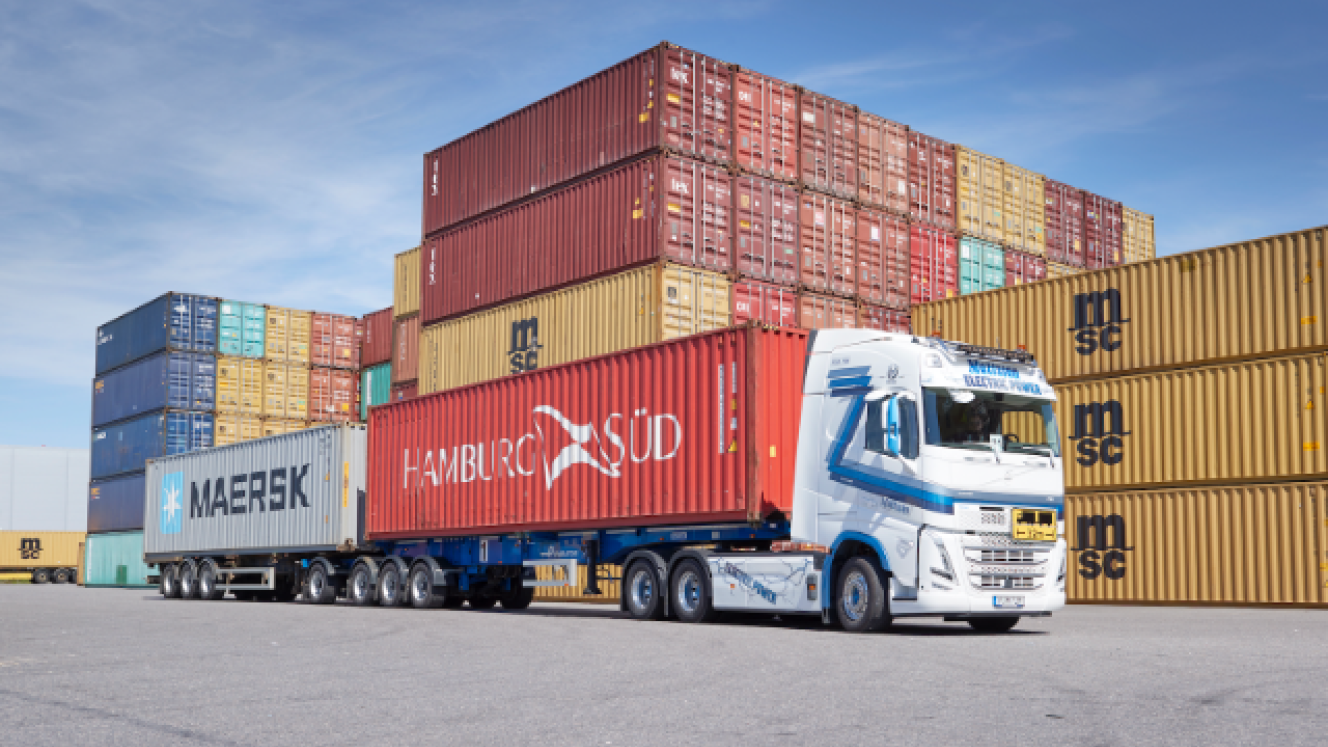
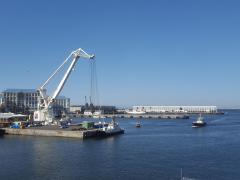
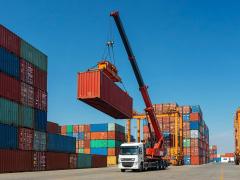
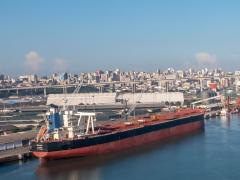
Small, targeted interventions at the Port of Cape Town could significantly reshape the Cape’s position in global shipping, particularly as shifting trade routes drive more vessels around Africa’s southern tip. According to Brian Ingpen, the Port of Cape Town has seen a marked increase in passing vessels as geopolitical tensions in the Middle East intensify. From earlier disruptions following attacks linked to Houthi activity in and around the Suez Canal to current instability affecting the Strait of Hormuz, more vessels are opting to reroute via the Cape rather than risk the shorter but more volatile passage. Addressing exporters in Cape Town recently, he said a concerted effort to develop bunkering and dry dock facilities could play a meaningful role in attracting even more vessels. “Even without the increased traffic we are seeing, there is real potential to become a bunkering hub. Ship repair is another area where we can expand our offering and increase the number of vessels calling at our shores.” Ingpen said relatively small operational changes at the Port of Cape Town could deliver substantial efficiency gains, allowing more vessels to be handled. “If we look at the position of the export reefer stack and how far that is from Berth 604, for example, we can see that simply moving the stack closer to the berth would make a difference.” He said calculations based on moving 500 reefers from the stack to Berth 604 showed that the cumulative distance travelled by containers equated to the distance of a truck journey from Cape Town to Durban. “The distance from the stack to the berth is simply too long. By adjusting the layout, we can address inefficiencies and improve our service offering.” He also highlighted the urgent need to expand container handling capacity at Cape Town harbour. “The port got a bit of a raw deal when it was ranked among the worst in the world. Yes, there are shortcomings, but our peak season coincides with the fruit export season, which falls in the middle of the South Easter wind period. You cannot work containers in strong winds.” According to Ingpen, while little can be done to control the weather, several operational improvements are within reach. “If we expand container handling capacity, for example, we will see a difference.” Extending container berths from 604 to 606 would also provide much-needed relief. “We missed the opportunity to do this in 2007 when the container terminal was upgraded. There is a dog-leg in the quay that could have been filled in, allowing those berths to be extended further.” Originally designed as six container berths – including a smaller one at 600 and standard berths up to 606 – the port must now contend with significantly larger vessels. With ships now reaching lengths of up to 330 metres, only three vessels can be accommodated alongside the quay at any given time. “There are also berths at the port still operating with outdated equipment and cranes. If we introduce new gantry cranes at A berth, as well as at F and G berths next to the passenger terminal, we would already see a major improvement in efficiency. Yes, the quay wall would need to be strengthened, but the investment would be worthwhile, as vessel turnaround times would improve considerably.” LV
Cape has potential to become bunkering hub
Comments | 0
© Now Media. This content is protected by copyright and may not be adapted or republished. If you would like to discuss cooperation opportunities, please contact: editor@freightnews.co.za.