Botswana has reinstated restrictions on vegetable imports from South Africa, just months after President Duma Boko lifted similar bans inherited from his predecessor.
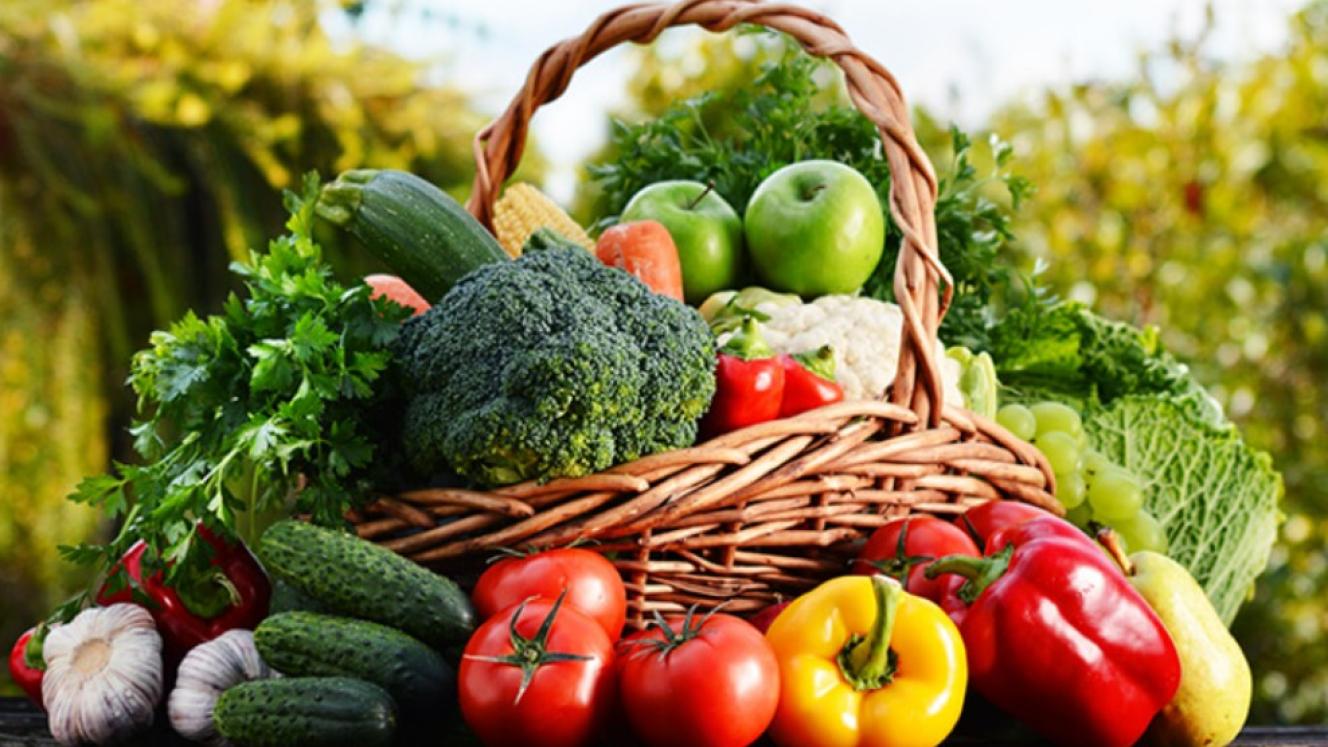
Botswana’s latest December 8 government notice halts imports of key staples, including tomatoes, potatoes, white and red cabbage, onions, watermelon, green papaya, beetroot, carrots, lettuce, strawberries, ginger, red and yellow peppers, garlic and butternut.
This abrupt policy shift, aimed at bolstering local farmers amid persistent inflationary pressures, has reignited concerns over economic integration within the Southern African Customs Union (SACU).
Agricultural Business Chamber of South Africa (Agbiz) chief economist Wandile Sihlobo, expressed his disappointment regarding the decision in his latest column on Agricultural Economics Today.
"I sympathise with supporting local farmers and reducing their dependence on South Africa but I am uneasy with the drastic policy changes, with minimal consideration for regional ambitions,” he wrote.
Sihlobo highlighted Botswana and Namibia as repeat offenders, having blocked South African vegetable exports in 2021 and sporadically thereafter. The latest ban, he argued, exploited a loophole in the SACU Agreement – Article 18(2) – which permits import curbs for reasons like public health, environmental protection, or national security.
Sihlobo contends these restrictions don't align with such justifications, appearing instead as protectionist measures cloaked in self-sufficiency rhetoric.
The financial sting is immediate for South African producers, who have long geared output for both domestic and regional markets.
SACU, designed to foster free trade among its five members – South Africa, Botswana, Namibia, Lesotho, and Eswatini – now feels like a house divided.
Sihlobo raised concerns that bans were imposed with little notice, disrupting supply chains and leaving exporters in the lurch. However, he called for restraint over retaliation.
"South Africa’s response will need to be sensitive but firm. While all this is frustrating, we should not be antagonistic or arrogant, but rather see this through the lens of understanding Botswana’s aspirations.”
He envisages collaborative pathways, such as timed market closures, to nurture Botswana's growers, coupled with clear advance notifications. Long-term, SACU nations should designate ‘sensitive’ crops for domestic focus, allowing South African agri-businesses to pivot exports elsewhere while supplying inputs like farm implements to emerging regional producers.
"Having hostile neighbours will not benefit any of these countries’ citizens. After all, people primarily want affordable, accessible, and safe food,” Sihlobo noted.
South Africa's agricultural exports hit a record US$13.7 billion in 2024, with 44% headed for African destinations, a trend steady for a decade.
Sihlobo noted that for every dollar of agricultural products South Africa exports to the African continent, 90 cents are traded within the Southern African region.
“South Africa, as a country, depends heavily on the Southern Africa region. We must ensure that SACU works for all and that South African industries don’t become disadvantaged by poor policy communication in the region.
“Overall, as these issues continue, there is value in reviewing SACU and its benefits for all members. This review is now also about broader trade policy, as South Africa seeks to expand its export markets and is often hindered by SACU-related issues.”