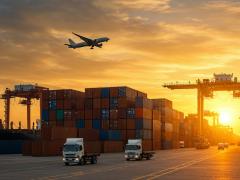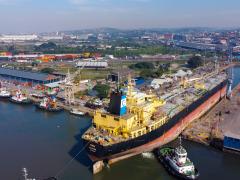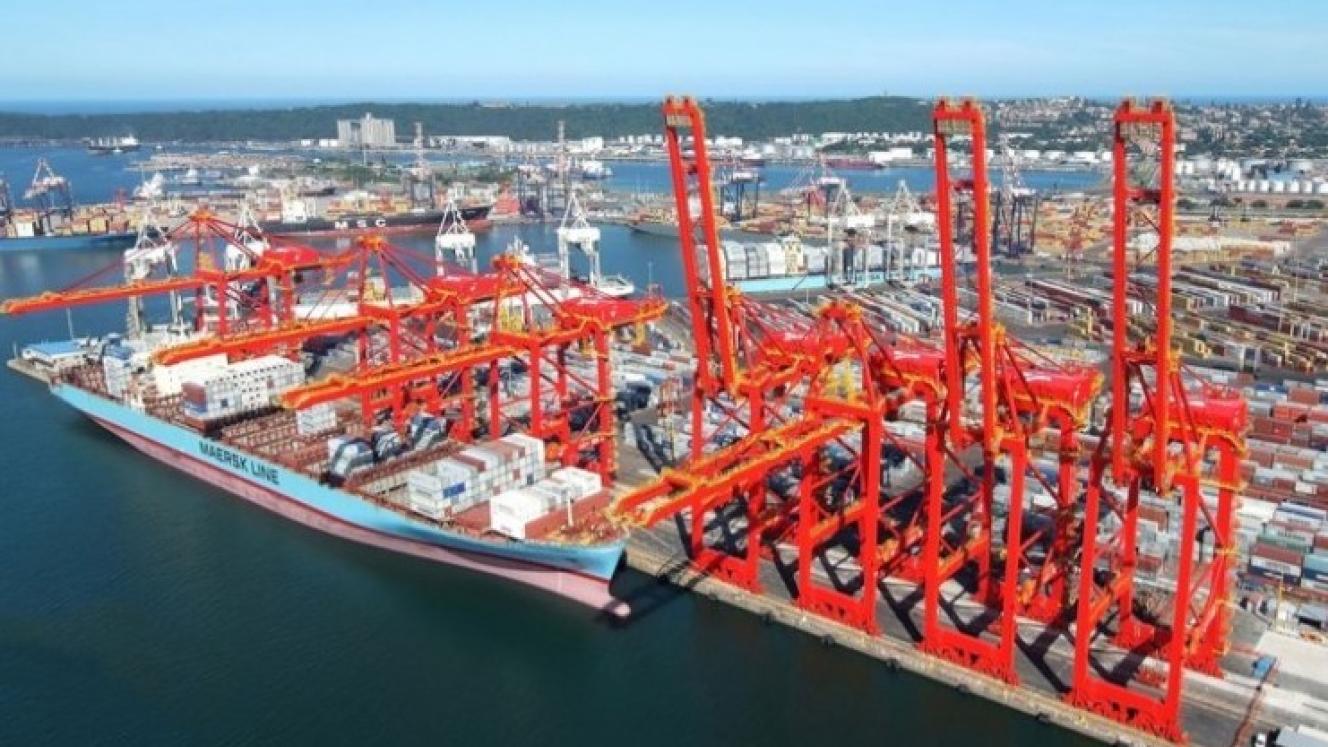
Wednesday’s historic signing into operation of concessionary control of a 49% stake for a 25-year period of Pier 2 at the Port of Durban by International Container Services Incorporated (ICTSI), has been widely hailed by industry as a major development.
Principal among these is the Southern African Association of Freight Forwarders (Saaff) who says it “signals the beginning of a transformative new chapter in South Africa’s port reform journey”.
However, a statement release by the association’s CEO, Dr Juanita Maree, makes it clear that although the arrangement between logistics utility Transnet and the Manila-based ports multinational is ground-breaking for the country’s cargo sector, “there is no margin for error”.
“This 25-year concession must produce the highest performance benchmark South Africa has ever set for container logistics, establishing a globally competitive platform for trade-based growth.”
Maree says Saaff underscores that this breakthrough must be stewarded with full transparency, integrity and a collaborative spirit if South Africa is to realise the true value of public-partnership operations at Durban Container Terminal (DCT) Pier 2.
She says the transaction, which is structured through a new operating company (Newco) with Transnet Port Terminals maintain 51% control of DCT Pier 2, “represents a significant reconfiguration of operational and commercial responsibilities at the country’s largest container terminal”.
Costs, though, will be a crucially important, Maree points out.
Rigorously interrogated terminal handling charges and all related fees, given their central role in shaping the cost structure and competitiveness of South Africa’s container value chain over the 25-year concession period, must be a paramount principle underpinning the Transnet-ICTSI deal.
“Fee frameworks must be transparently set, globally benchmarked, and aligned to the country’s trade and industrial priorities, preventing any unintended burden on exporters, importers and the wider supply chain.”
She adds that this is because Pier 2 serves as the primary gateway for containerised trade into South Africa, handling the bulk share of the country’s imports and exports.
According to the Saaff statement, Durban’s largest and busiest pier is “effectively the largest entry and exit point into a complex, container-dependent economy”.
Consequently, “this concession carries significant national implications”.
Strengthened oversight will ensure the viability of the concession, Saaff says.
More to the point, it will necessitate the following:
- Commercial fee structuring that is competitive, predictable and sustainable, supporting long-term trade growth.
- Robust governance anchored in disciplined investment, including new and refurbished equipment that delivers consistent operational performance.
- Alignment with national logistics and spatial imperatives, particularly geographical integration with Gauteng and the broader regional hub system, supported by skilled and future-ready labour.
- Clear recourse mechanisms should be in place in case productivity, service standards or investment undertakings fall short of agreed obligations.
This is the first segment of Saaff’s statement about the ICTSI development at DCT Pier 2. The last instalment will be posted on Friday, December 2, when Freight News (FTW) also closes for 2025. We’ll be back on January 5.