Global airline profitability is set to stabilise in 2026 with net profits expected to reach $41 billion, according to IATA’s latest outlook.
The forecast report, released on Tuesday, highlights the industry's resilience despite persistent headwinds such as supply chain bottlenecks, geopolitical conflicts, sluggish global trade, and increasing regulatory burdens.
“Airlines are expected to generate a 3.9% net margin and a $41 billion profit in 2026. That’s extremely welcome news considering the headwinds that the industry faces –rising costs from bottlenecks in the aerospace supply chain, geopolitical conflict, sluggish global trade, and growing regulatory burdens among them,” said IATA director general, Willie Walsh.
“Airlines have successfully built shock-absorbing resilience into their businesses that is delivering stable profitability.”
Total industry revenues are projected to climb 4.5% to $1.053 trillion, outpacing a 4.2% rise in operating expenses to $981 billion. Passenger numbers are forecast to hit 5.2 billion, up 4.4%, with load factors reaching a record 83.8%.
However, the return on invested capital remains below the weighted average cost of capital, at 6.8% and 8.2% respectively, underscoring ongoing challenges in generating sufficient returns.
“Industry-level margins are still a pittance considering the value that airlines create by connecting people and economies,” Walsh said.
“They stand at the core of a value chain that underpins nearly 4% of the global economy and supports 87 million jobs. Yet Apple will earn more selling an iPhone cover than the $7.90 airlines will make transporting the average passenger.”
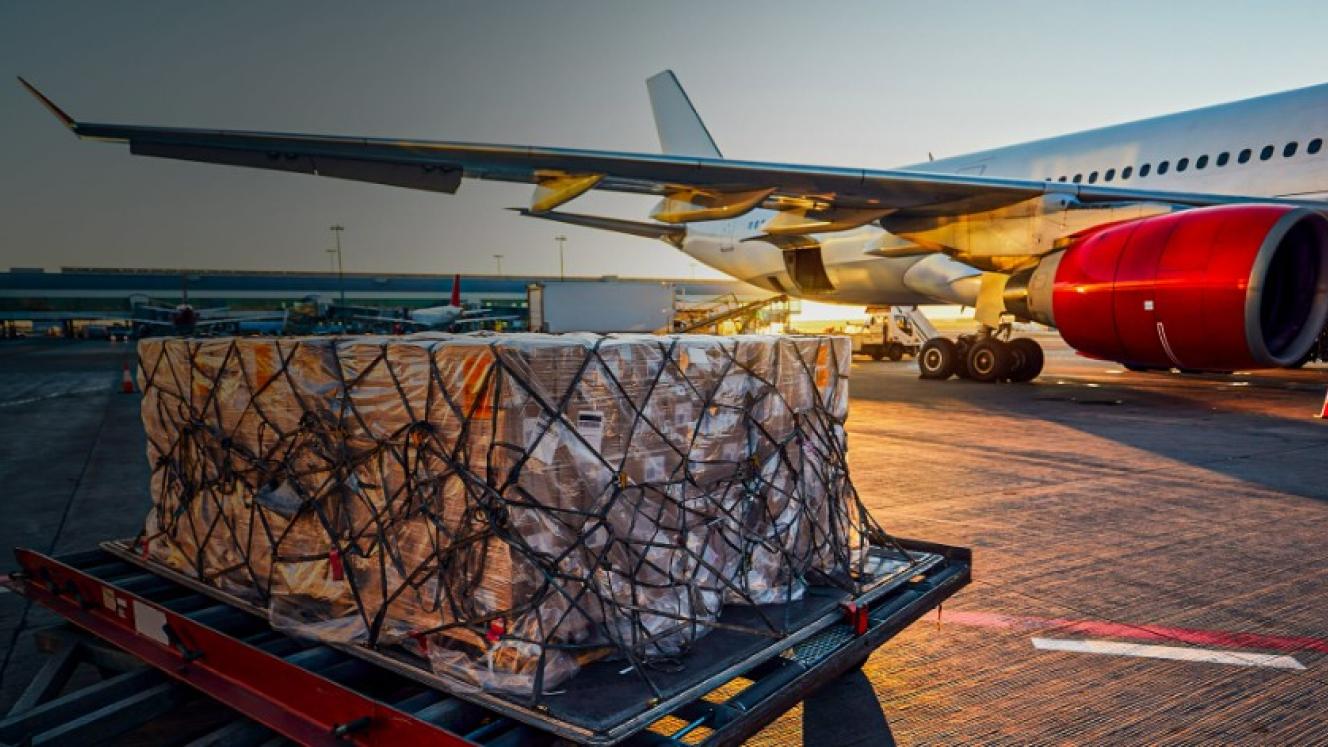
Air cargo defied earlier pessimistic predictions amid shifting trade dynamics. Cargo volumes are expected to grow 2.4% to 71.6 million tonnes, with revenues rising 2.1% to $158 billion.
“The resilience in air cargo has been particularly impressive. As trade flows adapt to a protectionist US tariff regime, air cargo has been the hero of global trade buoyed in part by robust e-commerce and semiconductor shipments to support the boom in AI investments,” said Walsh.
“Notably, air cargo enabled front-loading to deliver products ahead of tariff deadlines, and it flexibly accommodated demand surges as tariffed goods normally destined for the US found new markets. The critical role of air cargo is front and centre as the global economy adjusts to new realities.”
Cargo tonne kilometres (CTK) are projected to increase 2.6%, although slowing from 3.1% in 2025, with yields remaining stable and elevated at about 30% above pre-pandemic levels in 2026.
Fuel costs are anticipated to drop slightly to $252 billion, accounting for 25.7% of expenses, aided by lower Brent crude oil prices at $62 per barrel. Non-fuel costs will rise 5.8% to $729 billion, driven by labour (28% of costs), maintenance and infrastructure charges.
Supply-chain issues continue to hamper fleet renewal, pushing average aircraft age to over 15 years and limiting fuel efficiency gains to 1%.
Compliance with the Carbon Offsetting and Reduction Scheme for International Aviation will cost $1.7 billion, while sustainable aviation fuel purchases add $4.5 billion.
Regionally, the Middle East leads with the highest net margins, followed by Europe. Africa faces high costs and constraints, while Asia Pacific drives traffic growth despite overcapacity.
From a consumer perspective, airfares remain affordable, 36.8% below 2015 levels in real terms. A recent IATA poll showed 97% traveller satisfaction and strong support for aviation's economic role.
Walsh called for rebalancing value chains, reducing regulations, and improving infrastructure to unlock greater economic potential.