A Durban transport operator has raised concerns about the application of the Administrative Adjudication of Road Traffic Offences (Aarto) system after one of its truck drivers received six infringement notices during a single roadside stop, while the company received a further three related notices.
The Road Traffic Infringement Agency (RTIA) confirmed that the driver had received six infringement notices totalling R5 360 and the company three notices totalling R1 875. It also acknowledged that some of the operator-related charges might have been duplicated.
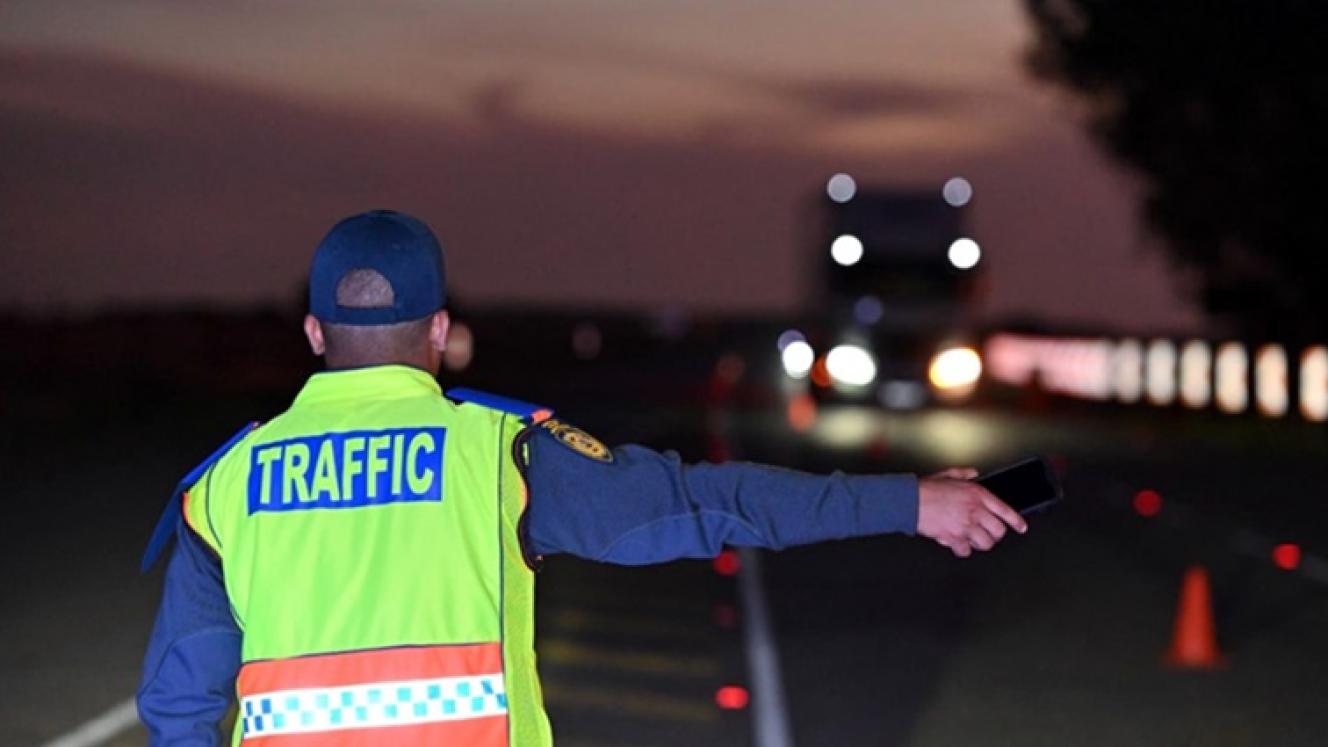
Project Logistics Management managing director Carl Webb said the driver had been stopped by a Tshwane Metro Police officer on the N1 north in Pretoria on June 3 and initially told that the truck's rear trailer lights were not working.
Webb said the driver checked the lights and found them to be operational, after which the officer alleged that the brake lights were not working. The driver disputed this and later stopped at a fuel station where, Webb said, he confirmed that the brake lights were operational.
He alleged that the situation escalated after the driver disputed the infringements and refused to sign the traffic offence notice.
“The incident escalated and our driver was told that, as he would not sign the traffic offence notice the officer would ‘get him’. The officer then returned to his position and our vehicle departed. A short while later the driver received six notices on his cellphone, and the company received a further three via PayCity,” Webb said.
He said none of the notices had been handed to the driver at the roadside and alleged that several were vague or duplicated.
“One, in fact, claims the vehicle was stopped in a dangerous place – the officer himself stopped the vehicle.”
Webb said he had repeatedly attempted to raise the matter through the Aarto website without success. He also approached the Road Traffic Management Corporation's National Traffic Anti-Corruption Unit (NTACU), which advised him to lodge a complaint of unethical conduct with the head of the traffic department concerned.
NTACU said the complaint did not contain elements of fraud or corruption falling within its investigative mandate.
The unit and Tshwane Metro Police had not responded to requests for further comment at the time of publication. Gauteng Transport spokesperson Sello Maremane referred questions to the RTIA.
RTIA spokesperson Monde Mkalipi confirmed that the Tshwane Metro Police Department had issued the six infringements against the driver and three against the company.
The allegations included a stopping violation, causing a wheel to spin, failing to adhere to the instruction of a traffic officer, defective stop lamps, non-compliant direction indicators and failing to operate the vehicle with due care for public safety.
Mkalipi said three of the infringements had also attracted operator-related charges because the vehicle was a heavy-load vehicle.
“The vehicle in question is a heavy load vehicle with a GVM of 33 000 kg which requires the operator/owner of the vehicle to be charged in terms of Section 49 of the National Road Traffic Act, in conjunction with the driver.”
However, Mkalipi acknowledged that the operator-related charges appeared potentially to be duplicated because the driver had already been charged for the alleged infringements.
Responding to Webb's contention that the truck was in working order, Mkalipi said traffic officers determined charges based on their observations and inspections and that the driver had the right to dispute the notices through the Aarto representation process.
Both the driver and operator would have to submit separate Aarto 08 representation applications to dispute their respective notices. The RTIA aims to provide an outcome within 21 days of receiving an application.
Webb said this placed an additional administrative burden on transport operators, which could be required to dispute multiple infringements individually.
He said businesses were being “held to ransom by a system that can’t possibly work” and that his company did not have the resources to dispute every fine individually. He said he would wait for a summons and defend the matter in court if necessary.
Mkalipi said goods vehicles with a GVM exceeding 3 500 kg were classified as operator vehicles and operators could therefore also be charged when drivers received infringements relating to professional driving permits or driving licences, vehicle roadworthiness, overloading and dangerous goods violations.
“It is, however, very uncommon – but not against the law – for the driver to receive six charges for the same date and time. It is recommended that the driver and operator consider submitting representations on the charges they feel should not have been issued,” he said.