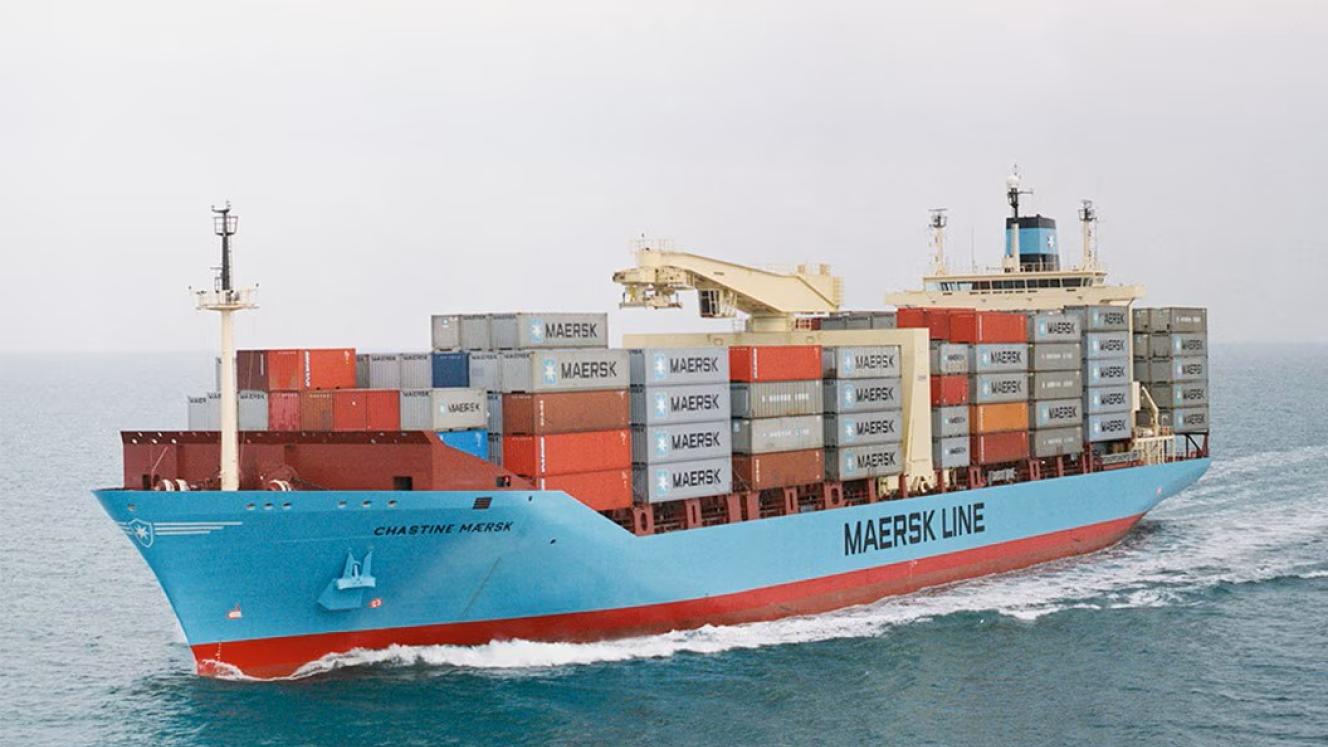
Buy-in from neighbours will help fulfil port’s ambitions Kevin Mayhew THE ENTRY of one of the world’s shipping giants – Maersk Sealand – into the Namibian sphere of operations in the 1990s was a great vote of confidence which has been vindicated with growth from the outset and a future that presents further possibilities. Managing director of Maersk Namibia, David Williams, said its services - to Europe with six vessels and from South America with five vessels – has found the port and its authorities willing to find solutions to problems. If there is presently a problem it is with handling the growth in volumes, particularly transhipments. “The past year has been successful for us despite increased competition and the impact of foreign trends like reduced demand for fish, predominantly in the Spanish market and, of course, the strong currency. The Skorpion Zinc mine in Rosh Pinnah running at full capacity was a boost during that time and import volumes have shown good growth,” he said. For the future he believes that they will continue to co-operate with the port authorities to find solutions to any problems. “However, we also stay abreast of what is happening with the other vital elements of the Walvis Bay Corridor Group (WBCG). The efforts of the WBCG are already being felt with a single documentation system in place for the Trans Kalahari Corridor. in some countries. We are also seeing increased traffic on the Trans-Caprivi Corridor with more copper concentrate coming through for the Ongopolo refinery in Tsumeb. Namibia and the port of Walvis Bay need further buy-in from their neighbours to move the process of change and fulfil the potential of the country and its ambitions,” he adds. Referring to the company itself, he said it continued to strive towards providing clients with higher levels of service and options. Already the company is one of the leaders in electronic booking for Maersk Sealand globally – over 90% of its export volumes. It has adopted Maersk Sealand’s international drive for further training for its staff, including the Maersk International Shipping Education (M.I.S.E) and the use of internal (Intranet) online training. This also paved the way for Maersk Namibia to provide opportunities for new staff to enter shipping as a career. Maersk Namibia’s present logistics manager, Warren Ockhuys, began his first post-school employment with the company in 1999 and is a beneficiary of its emphasis on giving new entrants a chance, Williams concluded.
Willing port caters for growing transhipment volumes
Comments | 0
© Now Media. This content is protected by copyright and may not be adapted or republished. If you would like to discuss cooperation opportunities, please contact: editor@freightnews.co.za.