Despite severe challenges the Western Cape will continue to focus on agri-processing as an economic driver in the province.
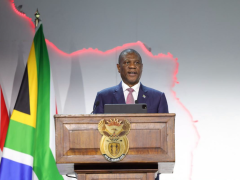
This is according to Minister of Economic Opportunities, Alan Winde, who said during his annual budget speech recently that the potential of agriculture remained high.
“The drought has forced us to look at alternative crops as a way for farmers to diversify their offerings,” said Winde. “Through our alternative crops research fund, we were able to pinpoint crops that are water smart, labour intensive and which fetch good prices on the export market. These include cherries, berries, pomegranates, fynbos and honeybush.”
Cherries and berries in particular, said Winde, had shown tremendous growth.
“Cherries, for example use half of the water to irrigate that apples do and export numbers have quadrupled over the past four years.”
Winde said because of the economic and jobs impact of agri-processing, government would continue to prioritise support for the sector.
“Over the medium term, we will continue to focus on the promotion of South African Halal products in strategic markets and our plans to position the province as a Halal hub. This year we completed investor prospectuses for three potential Halal Hub sites, and are now aggressively marketing these sites to the private sector,” he said.
“We are also mapping best practice certification methods globally to ensure our practices meet world standards. In doing so, we will be opening the doors for our produce to export markets, growing the strength of this subsector, and creating additional jobs in this space.”
Winde said when Project Khulisa was first launched, targeting the agrisector for growth, it aimed to create 100 000 jobs – and it was on track to achieve this. But the outbreak of avian influenza and the drought had impacted heavily on the sector.
Despite this Winde said they remained optimistic.
INSERT AND CAPTION
Cherries use half of the water to irrigate that apples do and export numbers have quadrupled over the past four years. – Alan Winde