South Africa is on the right path towards improving its ports but a change in thinking is required to reimagine future development of the country’s ocean hubs as integrated ecosystems, maritime academic Professor Peter de Langen has said.
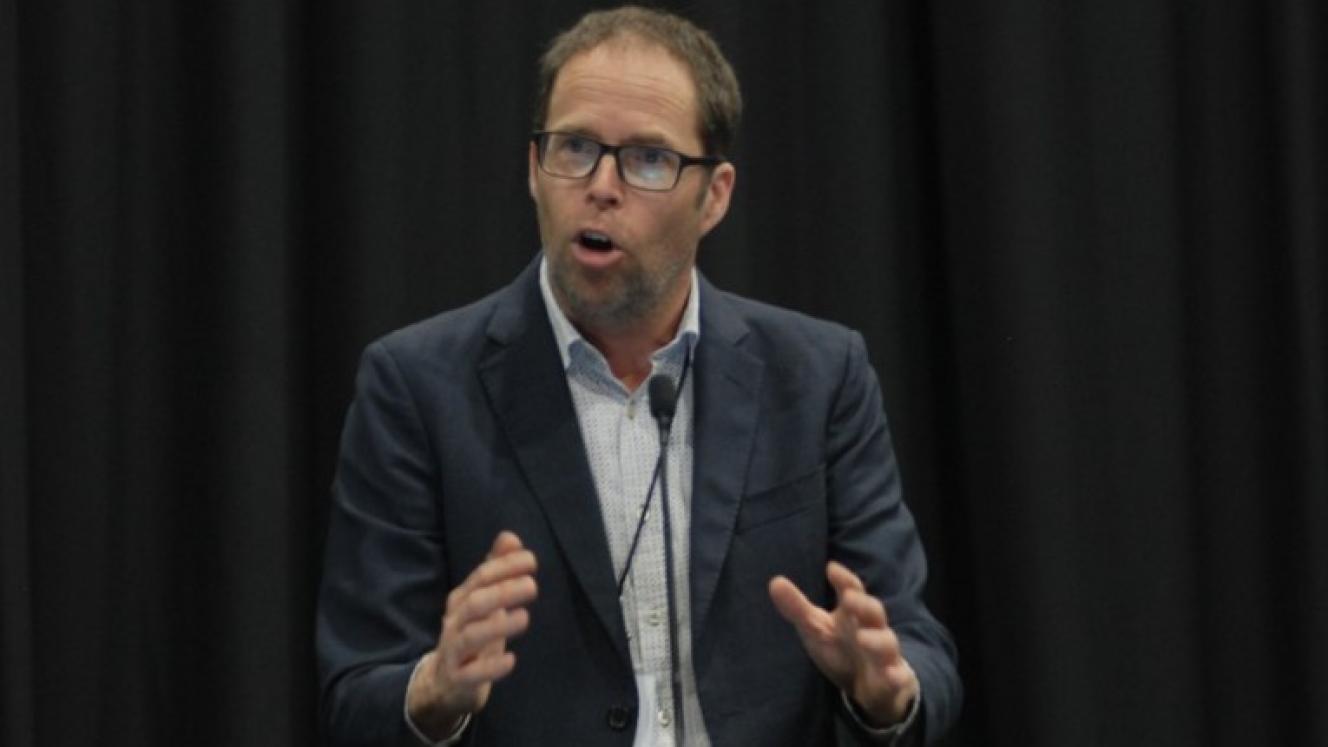
Speaking on the second day of the inaugural National Transport Conference at Gallagher Estate in Midrand, the owner of Ports and Logistics Advisory in Malaga, Spain, said ports such as Tanger Med in Morocco and Rotterdam in the Netherlands had shown how ports could flourish through private-sector investment if made attractive for this purpose, but on a larger scale.
Although not mentioning the World Bank’s Container Port Performance Index, which routinely rates South African ports as the worst in the world by volume, De Langen said ports shouldn’t be lauded or lamented according to how much cargo was moved or not.
“Too often the focus is on volume,” he said.
“Ports don’t have huge influence on the amounts of volume they handle, as these are often influenced by the larger economic environment.”
Instead of having a reactive approach towards pushing volume, port planning, development and digital services should be blended in such a way that it makes a business case for investors.
Mentioning food processing, warehousing and other sub-sectors as functioning elements within larger port systems, De Langen said ports should be individually assessed according to what was required to boost their integrated ecosystem potential.
At the port of Rotterdam, for example, about two billion euros in private-sector funding flows into the port on an annual basis through enabling investment.
However, integrated ecosystem thinking was easier said than done, said De Langen. More often than not there wasn’t an immediate business case to be made for individual investments because it was not seen against the larger backdrop of the port system as a whole.
Because initial thinking was often absorbed by immediate return-on-investment concerns, the eventual benefits of investments were overlooked.
By way of example he mentioned shore power, a significant developmental issue along the Dutch coast where net-zero port developments top the local maritime investment space.
“On its own there isn’t a business case to be made for shore power, but investment is possible if the larger benefits of shore power are properly marketed at potential investors.”
He said Tanger Med had shown what was possible if port development was raised to a higher, futuristic level, almost treating ports as self-sustaining cities.
De Langen provided several points for how the objectives of larger thinking around ports could possibly be realised through policy formation.
These include developing a fact-based understanding of how ports create value for society; identifying ports of national interest, as well as strategic freight corridors; setting clear, measurable long-term policy objectives for ports that align with stakeholders’ objectives; using the value of attracted investments as key performance indicators; and benchmarking investment levels as a percentage of investment in port systems as a whole, as a peer-group marketing tool.