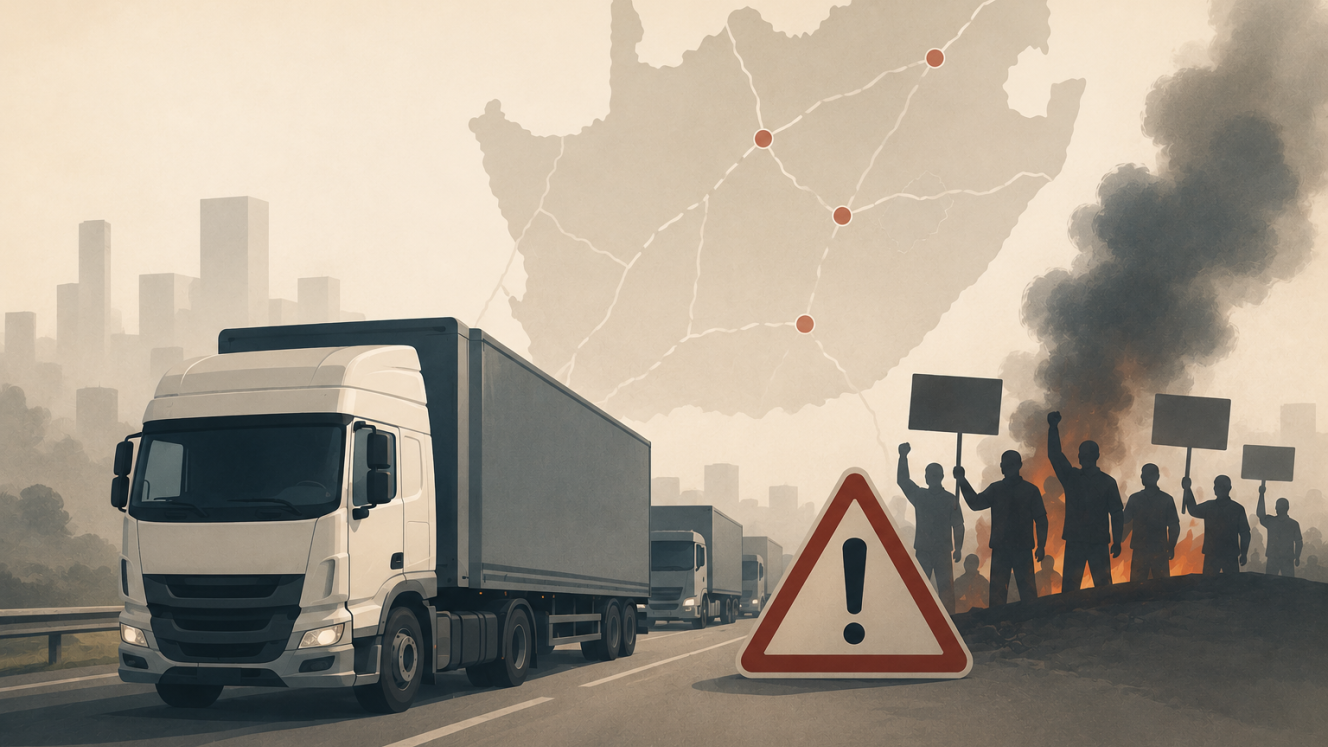
Ongoing protest action on Western Cape farms during the heart of the picking season will severely hurt the sustainability of the province’s agricultural sector, impacting negatively on the Western Cape economy – with early estimates of capital damage said to be more than R150 million already. In fact, experts have warned the entire country stands to lose far more than it will gain if a solution is not found soon to the violent protests on farms in the Western Cape where striking farm workers have gone on the rampage over wage increases. With calls that the fruit can “rot on the trees” until they are paid wages of R150 a day – up from the current R60 a day minimum wage – workers have torched farms, blockaded roads and looted shops, vowing not to return to work until their demands have been met. “The situation is beyond appalling,” said Terry Gale, chairman of the Exporters’ Club Western Cape (ECWC). “We have sent a letter to President Jacob Zuma calling on him to address this situation immediately as this is going to be a massive economic blow to the Western Cape. As the chairman of South Africa Inc he must address this situation immediately or face the consequences. We are already losing out to countries such as Brazil and Chile due to freight rates while the European economic situation has also had an impact on our exporters.” Gale said already fruit exporters had been struggling to retain their base and the current strike action in the Western Cape was not helping the situation. “Our image is being tarnished every day as this strike continues. We are talking about the survival of an industry that has taken years to build. Once you lose a market you will never regain it. South Africa cannot afford to lose any more markets.” While few will commit to a figure of what the ongoing labour unrest is costing the Western Cape, estimated export revenue losses are in the region of at least a quarter of a billion rand already. Western Cape Premier Helen Zille has voiced her concern saying the ongoing strike action will very seriously affect the food export industry and the hundreds of thousands of people who are dependent on it. “It will also have a profound impact on the fundamental issue of food security in South Africa,” she said in a statement released on Monday. According to Agri Wes- Cape, the economic impact is mounting as huge volumes of fruit have to be thrown away while several overseas contracts have not been fulfilled. But, said the organisation’s CEO Carl Opperman, more worrisome over the longer term is the damage to South Africa’s image as a safe supplier of produce. At the time of going to press there was still no resolution to the conflict on the horizon despite the Commission for Conciliation, Mediation and Arbitration (CCMA) offering to intervene in the strike. Minister of Labour Mildred Oliphant has called on all parties involved to return to the negotiation table in an effort to find a solution and bring an end to the strike, but Congress of South African Trade Unions (Cosatu) Western Cape secretary, Tony Ehrenreich, told FTW that striking was expected to intensify. “The farm workers have vowed to continue striking until they are paid a livable wage,” he said. Anton Rabe of Agri SA said following high-level discussions last week it was clear the strike was about much more than just minimum wages. “Many of the farm workers have been in negotiations with their workers since October last year. In fact, the majority of farmers pay much more than the minimum wage already, but a call for R150 a day is unrealistic and the result is simply going to be that farmers are going to have no choice but to change the kind of produce they are farming to allow for more mechanisation and less reliance on people. It poses less risk.” He said if the strike continued South African producers would ultimately lose their international market. “If South Africa cannot deliver on its volumes, the market will go elsewhere,” he told FTW. Rabe said South Africa was at a crossroads where it needed to deal with and find an answer to a fundamental question. “Is pressure applied by means of anarchy the way by which disputes are to be resolved irrespective of the longer-term consequences thereof?” The disruption of farm operations has already shaken investor confidence resulting in a downgrade of South Africa’s credit rating last week. “This development, linked very much to the violent nature of the crisis, will only result in the decline of the agricultural sector which is the key source of jobs for unskilled workers in the province,” said Zille. INSERT ‘Is pressure applied by means of anarchy the way by which disputes are to be resolved irrespective of the longer-term consequences thereof?’ – Rabe CAPTION Violent strikers stand their ground … they have vowed to let fruit ‘rot on the trees’ until they are paid wages of R150 a day.
Western Cape exporters count the cost of strike action
Comments | 0
© Now Media. This content is protected by copyright and may not be adapted or republished. If you would like to discuss cooperation opportunities, please contact: editor@freightnews.co.za.