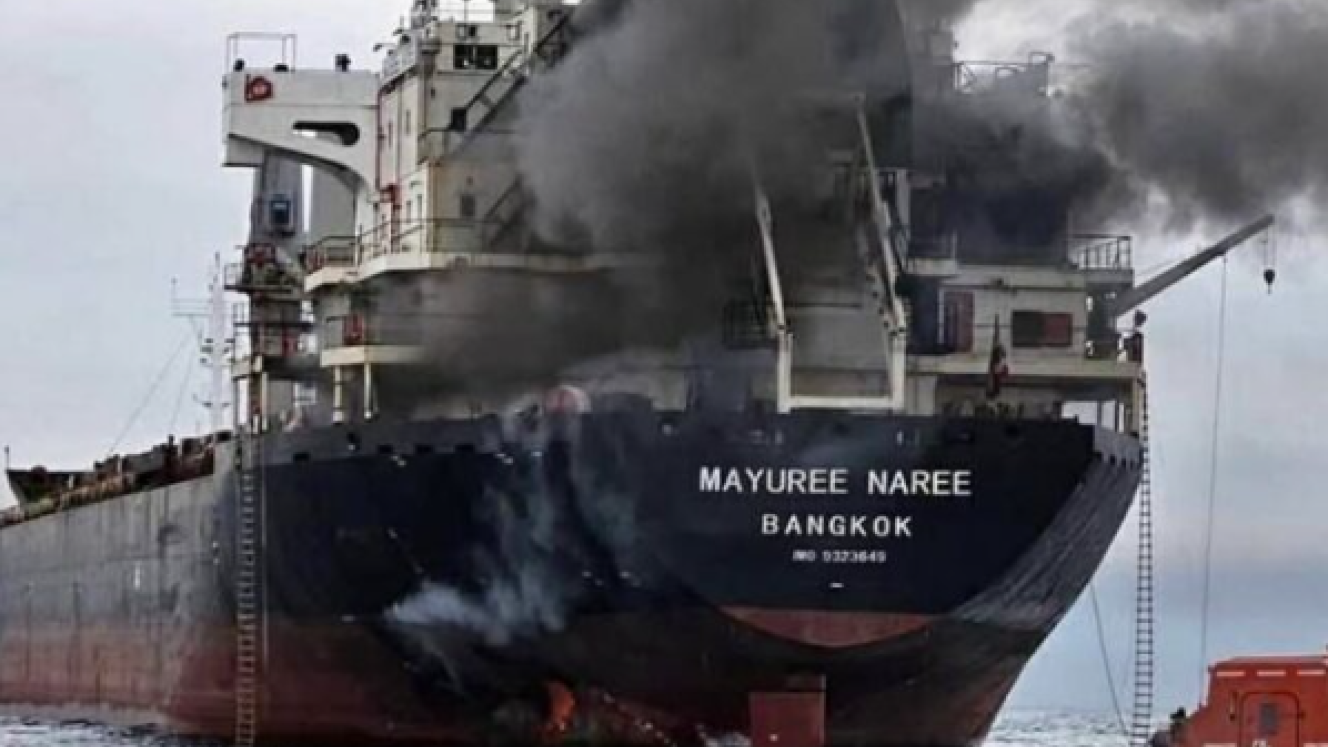
The outbreak of war in the Middle East has unsettled global markets, underlining just how quickly the economic outlook can shift.
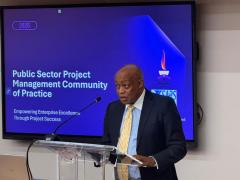
Speaking at Exporters Western Cape, Louis Niemand, an economist for Ninety One, said markets had, until recently, been in a so-called “Goldilocks” phase of strong growth and low inflation.
“A year ago, the concerns were very different. The picture has changed very quickly.”
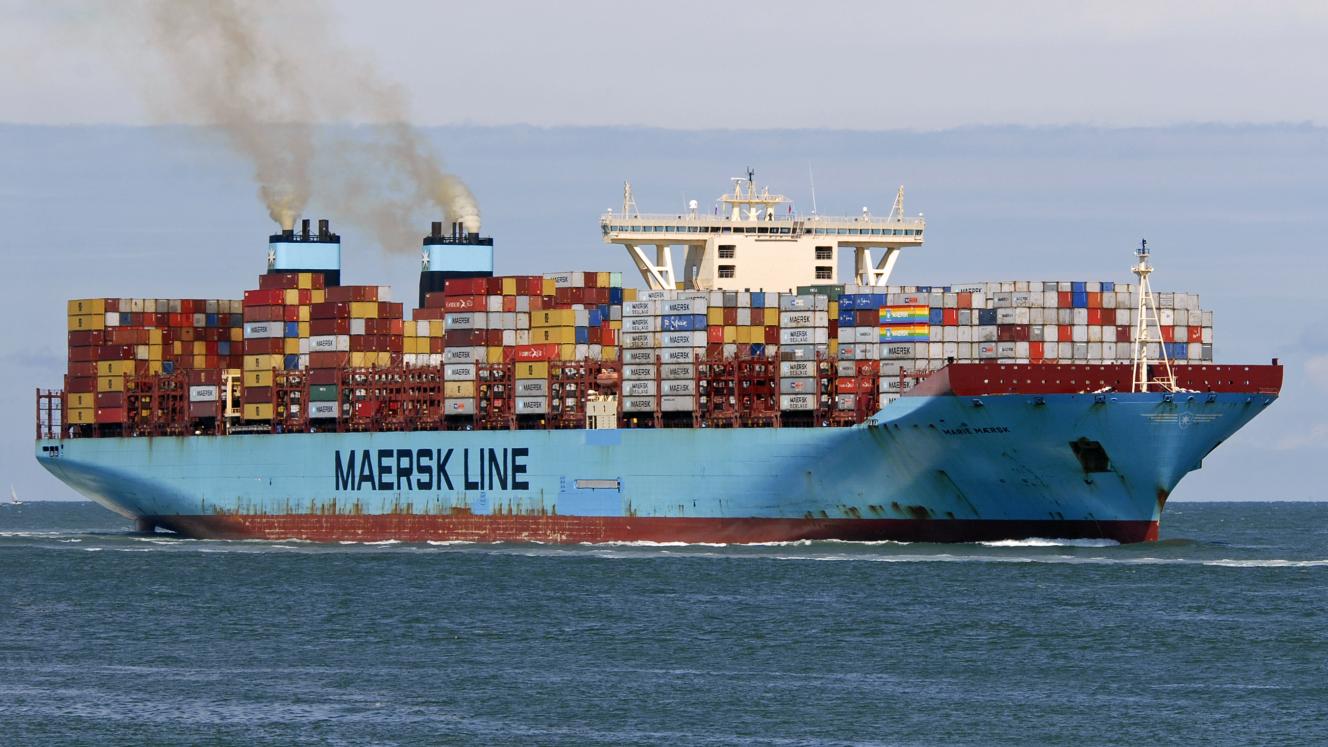
According to Niemand, before the war, global equities were performing strongly, with record highs driven largely by technology and AI. That momentum has since been disrupted by rising geopolitical tension and uncertainty around key shipping routes, particularly the Strait of Hormuz.
“It’s a narrow passage, but around a fifth of the world’s energy supply moves through it,” said Niemand. “Any disruption there has an immediate impact.”
Market sentiment has been volatile in response. Indicators tracking investor behaviour shifted from “extreme fear” at the end of March to a more positive sentiment by mid-April, reflecting how quickly conditions are changing.
“The news flow is moving all the time. One day the route is open, the next it isn’t, and markets are reacting to that,” he said.
Niemand warned against making long-term investment decisions in the current environment. Oil prices have already moved higher and are expected to remain elevated. “Higher oil prices feed into inflation and that changes the outlook for interest rates,” he said.
Where markets previously expected several US rate cuts over the next 18 months, expectations have shifted, with the possibility of hikes now being priced in. For South Africa, this creates added pressure as higher oil prices coincide with a weaker rand.
“In a short space of time we’ve moved from Goldilocks to reflation and now towards stagflation,” he said.
Despite the uncertainty, Niemand said market downturns were not unusual. “We’ve seen it before, whether it was the dot-com crash, the global financial crisis or Covid-19. Markets do recover, but it requires a level head.”