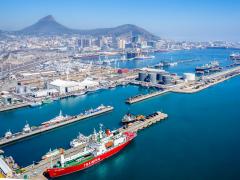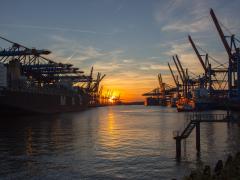
The Port of Walvis Bay is bulking up its capacity ahead of 2026 to bolster well-stated ambitions of becoming a preferred cross-border multimodal logistics hub for Africa’s southwestern coastline.
In the latest development, African Global Logistics (AGL) has officially commenced operations of a $200 million terminal to add to the port’s fast-growing maritime expansion efforts.
Enhanced bulk and breakbulk cargo handling ability is understood to be at the centre of the Walvis Bay Multipurpose Terminal’s commission, confirming the port’s growing stature as a receiving access point for commodities like sulphuric acid and ammonium nitrate heading to the Copperbelt.
In addition, loads including lime, caustic soda, diesel, petrol, lubricants, cement, steel products, fertiliser, animal, grain and seeds appear to make up the lion’s share of dry bulk and liquid bulk cargo entering the Namibian port, mostly headed through the Zambezi Corridor to mining industry locations in the Democratic Republic of the Congo and Zambia.
The announcement by AGL, the hinterland road freight division of Mediterranean Shipping Company, comes in the wake of Grindrod’s October opening of a new warehouse facility at the port.
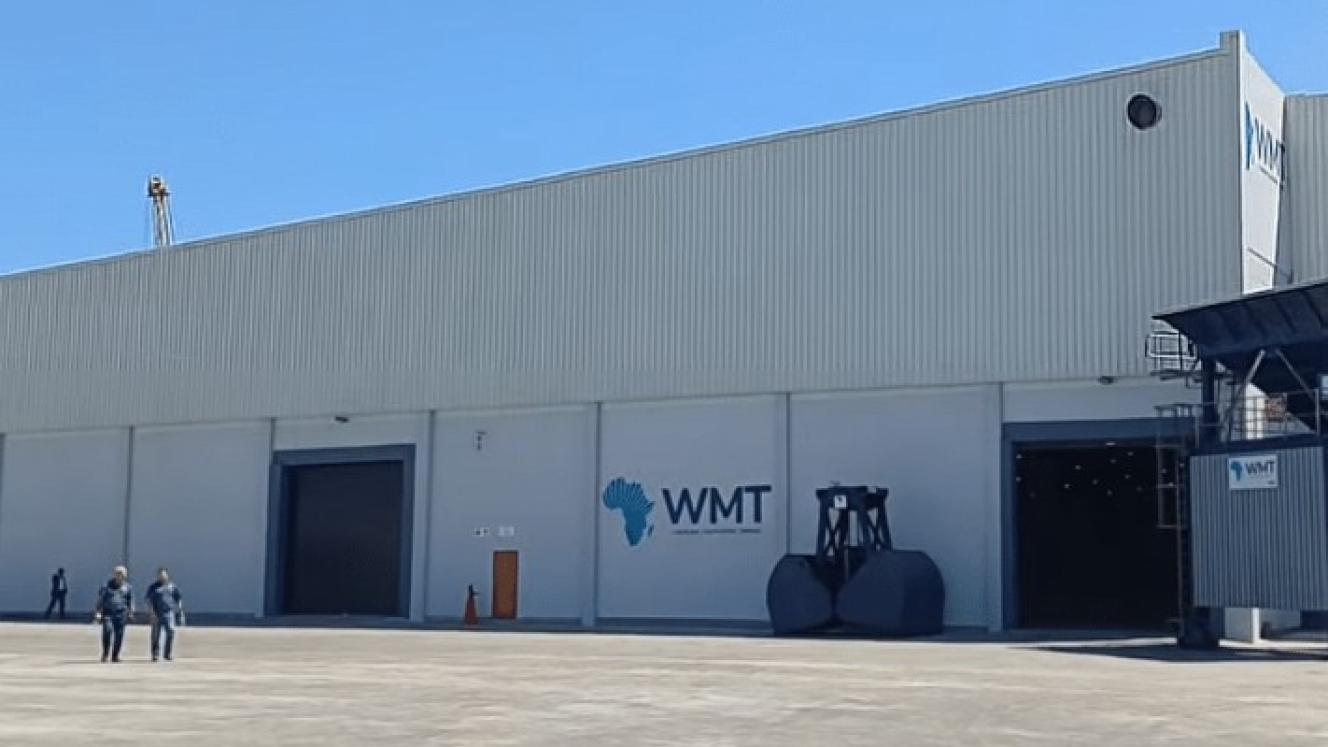
Strategically located near the port’s berths seven and eight, the warehouse is designed for seamless cargo movement via conveyor and is fully compatible with rail and road transport systems.
Built on the logistics multinational’s existing 50 000-square-metre (sqm) premises, the weatherproof facility spans 4 000 sqms and meets all safety, health, environment and Quality (SHEQ) standards as outlined by the Namibian Ports Authority (Namport), a company statement has said.
Also in October, Namport announced plans along with NKNO Fuels Namibia to forge ahead with a Walvis Bay truck park and staging project on the outskirts of Walvis Bay, meant to work better turnaround speed into the approximately 750 trucks visiting the port daily.
October also heralded the commissioning of a new digital weighbridge at the port, intended to enhance cargo verification, operational efficiency and expanded compliance, diversified freight services provider, Rennies Consolidated, said at the time.
Now, with the AGL development, Walvis Bay is seeing out the year’s fourth quarter (Q4) having potentially secured the most infrastructure upgrades of all corridor ports in the sub-Saharan region.
The plant is expected to minimise ship turnaround times, while freight rates are set to become more competitive, which will support Namibia’s broader ambition of establishing itself as a strategic logistics centre in Africa. The terminal represents a significant step towards modernising the country’s maritime and transport sectors as it allows private-sector participation in port operations.
AGL managing director Ben Stenning said the company’s goal was to position Walvis Bay as a global gateway to Africa and indicated that the facility would enhance efficiency, reduce freight costs, and provide the capacity required to accommodate the largest vessels. Stenning further noted that the terminal reflected AGL’s confidence in Namibia and its commitment to driving the country’s growth as a strategic logistics hub.
He also emphasised that the company’s investment extended beyond the port terminal.
Under its AGL Energies brand, the company has begun constructing two oil and gas bases in Walvis Bay and Lüderitz, covering areas of five and 25 hectares, respectively. Stenning indicated that these facilities were expected to be operational by the end of the following year, coinciding with Namibia’s full transition to production in the energy sector.
The new terminal is also creating employment opportunities for local communities, with 120 individuals currently employed at the facility. Stenning added that AGL aimed to give back to the communities in which it operates through social responsibility programmes, demonstrating the company’s commitment to inclusive development alongside its commercial activities.
Namport CEO Andrew Kanime described the terminal as a step towards transforming the country’s ports into an integrated logistics hub. He noted that the development illustrated the importance of collaboration between government and business.
Kanime explained that five years ago, Namport had recognised its limited resources and the need to refocus, and that the only way to achieve the vision of becoming the best-performing seaports in Africa was through partnerships with the private sector.
He further observed that such collaborations allowed Namport to concentrate on common-use infrastructure while benefiting from the specialised contributions of private actors, which improves efficiency. Kanime added that these partnerships enhanced Namibia’s competitiveness and supported the government’s efforts to promote national development and economic growth.
The Walvis Bay Multipurpose Terminal, and related services expansion, not only strengthens Namibia’s role in regional and international trade but also exemplifies the growing trend of strategic private investment in African infrastructure. By increasing port capacity, improving freight efficiency, and engaging with local communities, AGL and Namport are contributing to a more connected and competitive logistics network across the region.