There is absolutely no truth in
the suggestion from members
of the freight industry that
there is a story behind the
story of two Capesize bulkers
having just been registered as
SA-flagged vessels (See FTW
September 25, 2015 “Criticism
greets Government’s cargo
reservation plans”).
These were the Cape Orchid
(Built 2001, deadweight
172 569 tonnes) and the Cape
Enterprise (Built 2003, dwt
185 909 t). They are owned
by SA operator Vuka Marine,
a joint venture between Via
Maritime Holdings of SA and
K-Line of Japan.
Andrew Millard, CEO
of Via Capital Financial
Services, told FTW: “This
suggestion may have created
the impression amongst
readers that the ships
were either part of a deal
involving government, or
offshoots of a strategy that is
somehow allied with moves to
implement cargo reservation
in SA.
“But neither assumption is
correct.”
Indeed, Millard felt that
Vuka Marine was hopefully a
timely example of what might
be possible without state
intervention.
“For the record,” he
added, “Vuka Marine has
been formed without state
facilitation – although we are
grateful to the SA Maritime
Safety Authority (Samsa)
and the national treasury
for creating an enabling
environment in terms of
tax legislation and the ship
registration process.”
Millard also made the
point that the partners in
Vuka Marine had historical
maritime relationships going
back some considerable time
and was adamant that the
business plan contemplated
no special deal from
government.
“Incentives to grow the flag
may be useful,” he said. “For
instance preferential port
access for SA-flagged ships.
But we do not require such
measures, nor expect such to
arise anytime soon.”
Vuka Marine has been
designed to recreate an SA
shipping industry, which,
according to Millard, was
thrown into an accelerated
decline by the 1996/7 repeal
of section 14(1)D maritime
incentives in the Income Tax
Act.
“Within a few years,” he
said, “Safmarine had been
dismantled and sold off to
foreign interests. And much of
Grindrod’s shipping business
was forced to relocate abroad
to be competitive.”
But, between 2002 and
2011 (when the Vuka Marine
model was devised) Millard
tried what he described
as “various unsuccessful
permutations” to try to arrive
at a model that could work.
Then, in 2012, he presented
to Samsa some proposed
changes in legislation and
regulation that he believed
would be necessary to spark
onshore ship-owning activity,
and therefore the national
registry.
“To the credit of Samsa,”
Millard added, “they had
already identified many of
the same areas, and they
embarked on a programme
of bringing them into force.”
But he was adamant that
none of these points involved
cargo reservation or any other
type of “involuntary bias by
exporters” in favour of the
domestic industry.
“Samsa delivered on
enough of the major points,
including tax exemptions
on international shipping,”
said Millard, “when the new
section 12Q was promulgated
with effect from January last
year.”
He described the Vuka
Marine model as originally
having been “intended as a
blueprint for several aspirant
shipowners in SA to follow”.
And, Millard said: “It remains
so”.
However, in the absence
of a “credible first mover”, he
noted that the partners in
Vuka Marine decided that a
new venture was viable and
sustainable and should be
pursued.
“Success,” he said,
“presupposed a business that
could: (i) compete with global
competitors on price and
service; (ii) access a fleet of
good quality vessels; and (iii)
flag the ships in SA if possible,
to comply with that aspect of
the Maritime Charter; and (iv)
be capable of funding itself.
The over-riding success factor
lay in (i), since without the
support of a freight owner, the
model was destined to fail.”
Millard expressed two
hopes. First, that the Vuka
Marine registration of its
two bulkers would lead to
greater government emphasis
on maritime matters. And
second, that other operators
would now find it competitive
to flag their ships in SA, since
he felt that a thriving register
could benefit all.
“However, we’re also hopeful
that – by demonstrating the
potential success for a private
sector solution at the very time
that the mining Phakisa is
gathering pace – unnecessary
and unsustainable state
interventions (read cargo
reservation) might be avoided.”
CAPTION
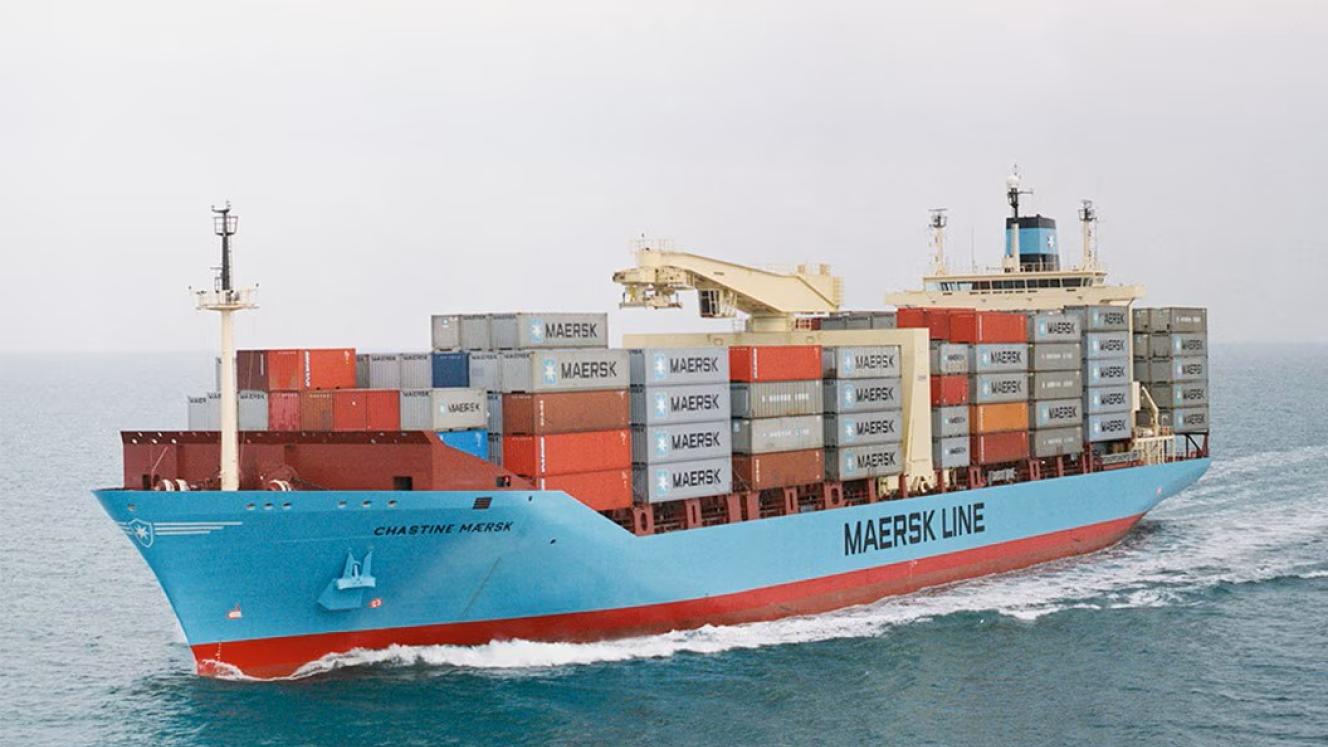
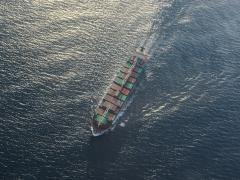
The Cape Orchid, one of two Capesize bulkers just registered as SA-flagged vessels.
Vuka Marine to recreate SA shipping industry?
Comments | 0
© Now Media. This content is protected by copyright and may not be adapted or republished. If you would like to discuss cooperation opportunities, please contact: editor@freightnews.co.za.