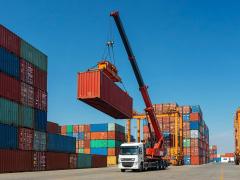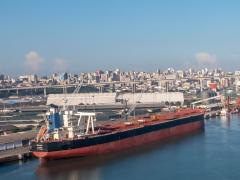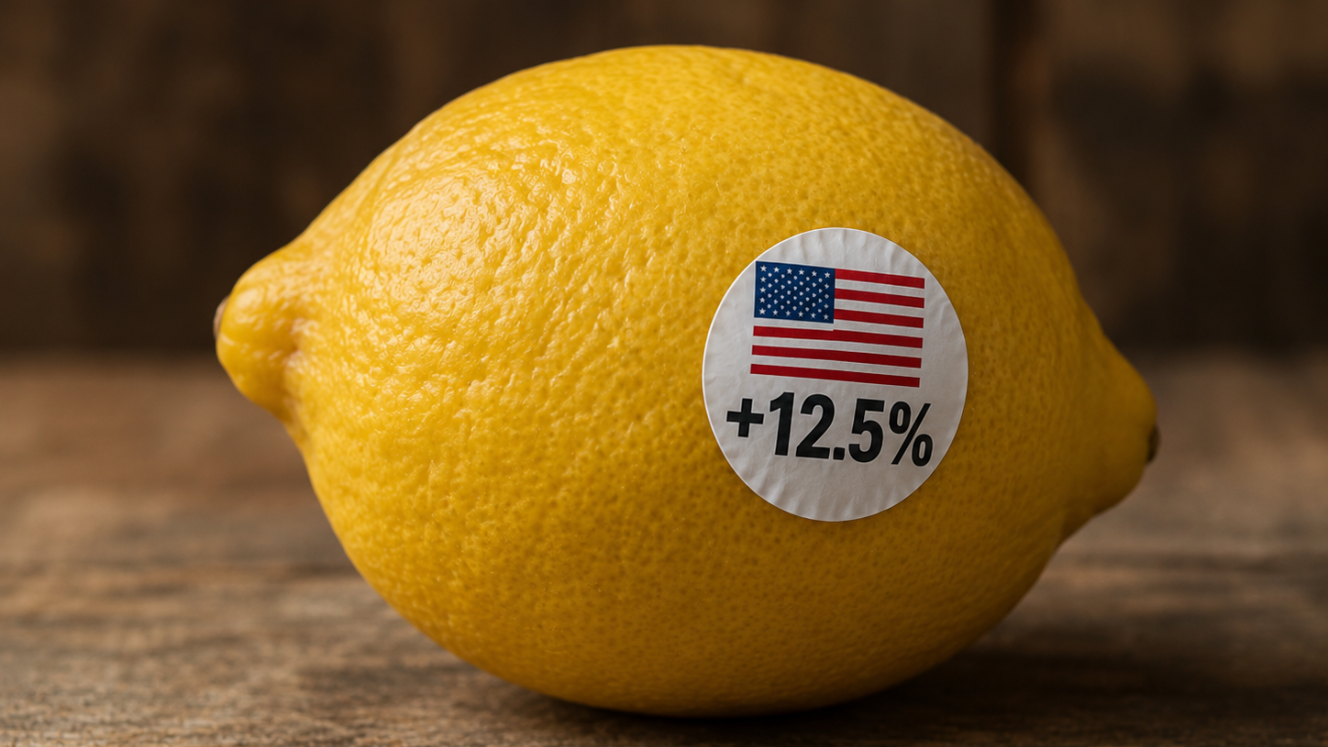
South Africa says it is compliant with obligations relating to forced-labour practices and “stands ready to continue to engage the US” after a preliminary US finding that could expose local exports to a proposed 12.5% tariff.
The statement was issued by Trade, Industry and Competition Minister Parks Tau in response to a report by the Office of the United States Trade Representative (USTR), which remains subject to a public hearing process in July before a final decision is taken.
The USTR says South Africa is among 60 economies investigated for alleged failures relating to the importation of goods produced with forced labour.
Under the proposal released in Washington on June 2, affected imports would face additional duties of between 10% and 12.5%, with South Africa falling into the higher proposed tariff bracket. The action follows a Section 301 investigation under the Trade Act of 1974, which was self-initiated on March 12.
The proposal includes a list of product exemptions that could limit the impact on some exporters. Products listed in Annex A to the Federal Register notice include energy products, rare earths, specific metals, beef, coffee, certain fruit and vegetables, pharmaceuticals, organic chemicals and aircraft components. A separate textile mechanism has also been proposed to allow a specific volume of apparel and textile imports to enter the US at a reduced rate.
“The government of South Africa maintains that it remains compliant with all domestic and international obligations with respect to forced labour practices, with South Africa being a signatory to key International Labour Organisation (ILO) Conventions. Furthermore, South Africa has enabling legislation to deal with forced labour.
“South Africa stands ready to continue to engage the US in this regard,” he said.
Export impact ‘not disastrous’
Reacting to the proposal, Agricultural Business Chamber of South Africa (Agbiz) chief economist, Wandile Sihlobo, said the latest development in US trade policy would be challenging for South African exporters, but “not disastrous”, given that South Africa was coming from higher rates that had placed pressure on exporting businesses.
“After a period of relatively lower tariffs, the 12.5% tariffs the US intends to levy on South African goods will be challenging,” Sihlobo said. “Still, it is far better than where we are coming from, where South Africa had to face a 30% tariff.”
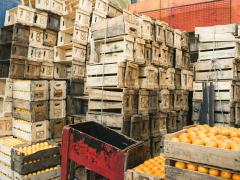
Sihlobo said the US remained an important market for South Africa’s agriculture, accounting for around 4% of exports valued at US$15.1 billion in 2025. “Citrus, raisins, table grapes, and wine are amongst the most exposed industries. Again, oranges, juices and nuts still have exemption from these tariffs, which helps a bit.”
International Chamber of Commerce deputy secretary general Andrew Wilson told Reuters there would be “deep concerns” in the international business community that the US forced-labour proposal could become a global template. “Anyone can make a claim, get a shipment impounded and the company has to prove no forced labour in the supply chain,” he said.
The proposed tariffs remain subject to public review. Interested parties have until June 22 to request to appear at the public hearings, with written comments due by July 6. Formal USTR hearings on the proposed trade actions are scheduled for July 7.