Local grain producers are
fielding the fall-out of increased
poultry imports from the
United States (US) as poultry
producers look to cheaper
overseas maize imports for feed
to keep their production costs
lower – and thus compete with
the cheaper US
products.
One of the
largest poultry
producers in
South Africa,
Astral Foods,
said last week
that the effect of
the drought and
the increased
imports would
have a greater
impact on its
third quarter
financial results
(ended June 30
2016) than initially projected.
CEO of Astral Foods, Chris
Schutte, said that feed costs
had continued to escalate due
to higher maize prices (as a
result of the drought), with
conditions worsening when the
first shipment of United States
(US) poultry imports came into
the country under the African
Growth and Opportunity Act
(Agoa) agreement.
Poultry feed prices had
increased by around 13.9% in
the first quarter of the year,
adding significantly to the
cost of live bird
production, he
pointed out.
“Feed costs
have continued
to escalate
following the
impact that the
drought has
had on the local
maize crop. This
is expected to
continue into
2017.”
Furthermore,
since the first
shipment of
poultry imports from the US
arrived, an average 7.7 million
birds per week (total poultry
product imports) was recorded
for the first six months of 2016
– complete overcapacity for the
market, according to Schutte.
“And their production costs
are lower – because they enjoy
strong state protection – so
local demand for their products
has grown while ours has
slumped,” he pointed out.
According to Schutte, this
has resulted in many midto
large-sized independent
poultry producers having
“severe financial distress”.
They are either currently in the
process of closing down their
businesses, or are going into
business rescue
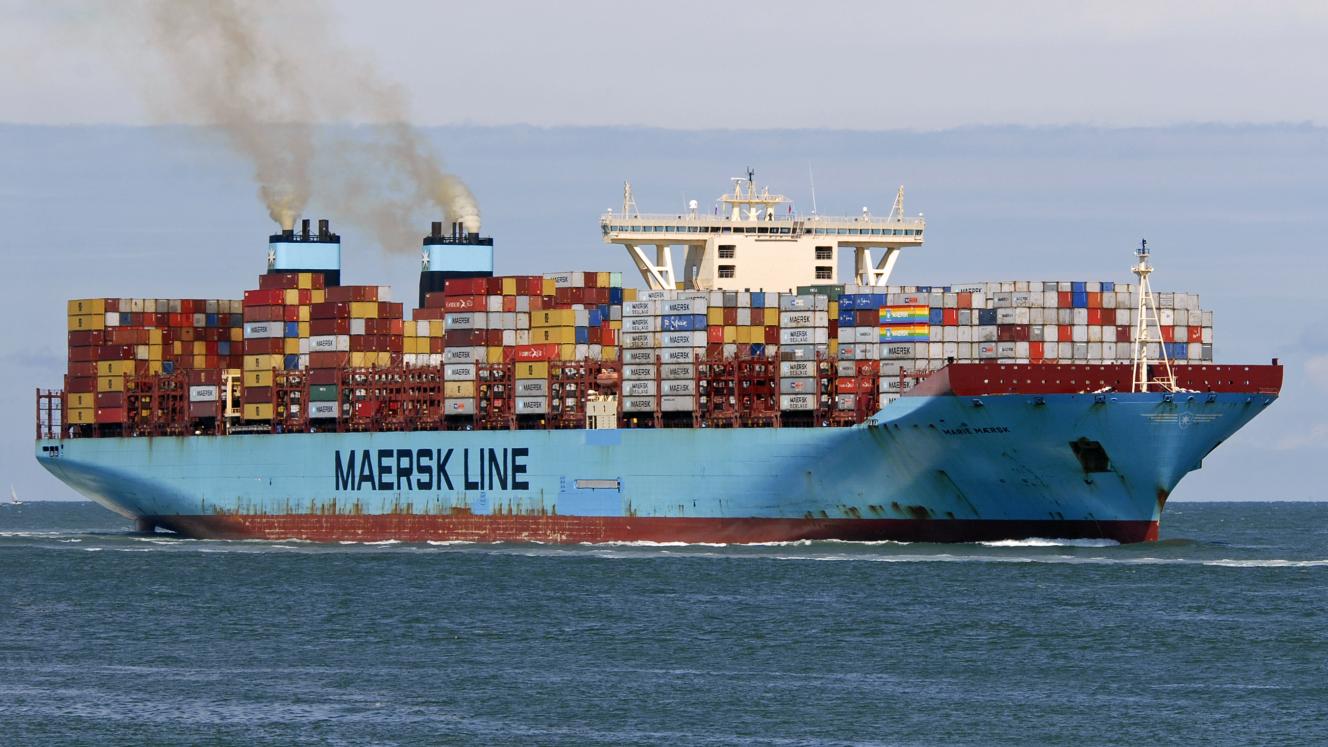
Astral has started importing
maize (for feed) to mitigate
the potential risk of shortages
as well as to counter the
continuous cost increases of
local maize, with the cost of
this maize at import parity.
“We are also forced to
introduce further and more
severe cut-backs in the poultry
production chain going
forward, in order to have
stock at manageable levels
and to address the oversupply
situation,” said Schutte.
He added that the planned
production cutbacks would also
impact jobs.
INSERT & CAPTION
Many mid- to largesized
independent
poultry producers
are currently in
the process of
closing down their
businesses.
– Chris Schutte
US poultry imports knock local grain producers
Comments | 0
© Now Media. This content is protected by copyright and may not be adapted or republished. If you would like to discuss cooperation opportunities, please contact: editor@freightnews.co.za.