The local manufacturing industry has been reminded that the United States is investigating South Africa and 59 other economies under Section 301(b) of the Trade Act of 1974.
According to Anneke Jansen van Vuuren, economics analyst at XA Global Trade Advisors, “the investigations will determine whether acts, policies and practices of each of these economies related to the failure to impose and effectively enforce a ban on the importation of goods produced with forced labour are unreasonable or discriminatory and burden or restrict US commerce”.
Stating it more plainly, she says, the investigation will focus on forced labour as well as other unfair trade practices.
These include the importation of goods, components or any other materials that are involved in export trade with the US, Jansen van Vuuren says.
“The investigation will try to determine not only if countries like South Africa produce goods through forced labour, but also whether we allow these goods to enter our market.
“The investigation will also determine if South Africa and other countries have taken the necessary steps to prohibit the importation of goods produced with forced labour.”
The US stance against forced labour and its wider impact on the global import-export trade couldn’t be clearer, she says.
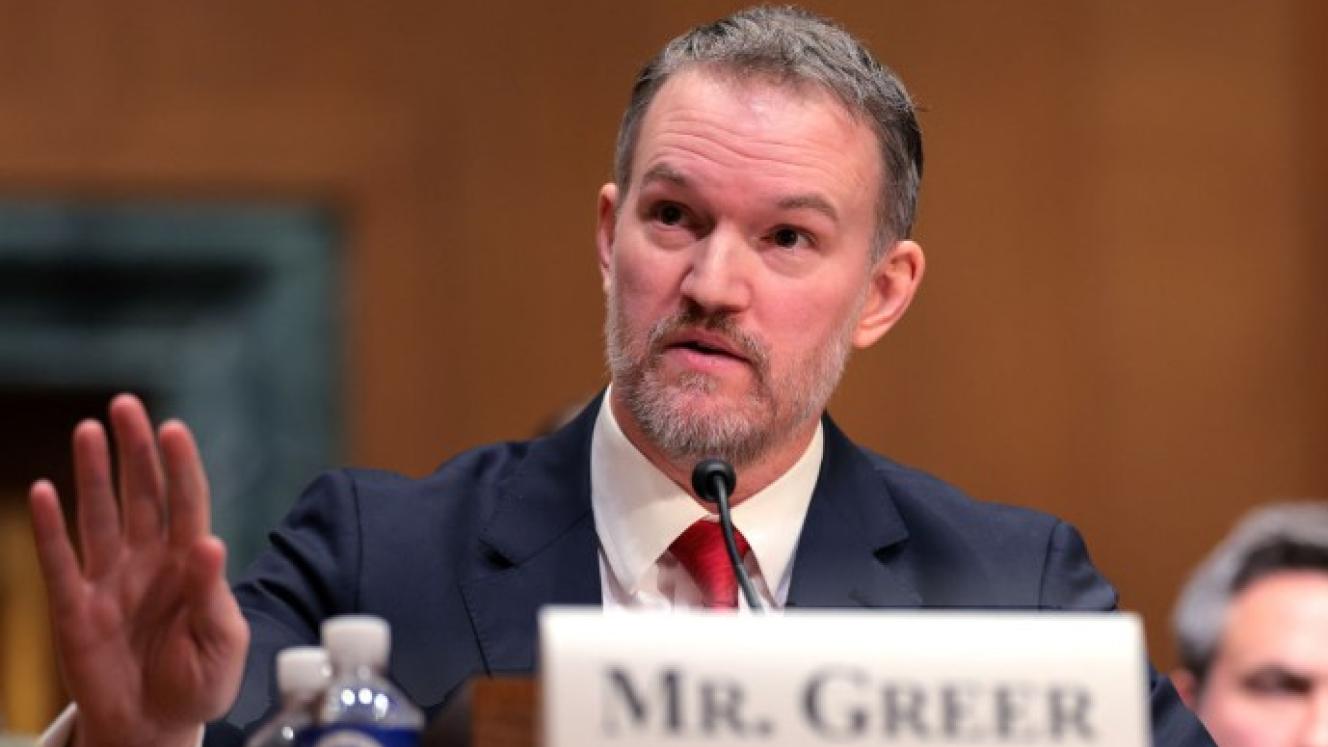
According to US Trade Representative (USTR) Jamieson Greer, “despite the international consensus against forced labour, governments have failed to impose and effectively enforce measures banning goods produced with forced labour from entering their markets.
“For too long, American workers and firms have been forced to compete against foreign producers who may have an artificial cost advantage gained from the scourge of forced labour.”
Jansen van Vuuren reiterates that upon initiation of an investigation, the USTR must seek consultations with the countries that are under investigation.
“The USTR will hold hearings in connection with these investigations on April 28. Interested persons should submit written comments and requests to appear at the hearing, along with a summary of the testimony, by April 15.
She adds that the US’s forced labour investigations should be seen against the tariff crusade the US administration embarked on last year.
“Although South Africa is not the only country under investigation, it is hard to miss the change in trade relations between South Africa and the United States since January 2025, with the new Trump Administration.”
Jansen van Vuuren says it’s important to keep this element of trade with the US in mind.
“South Africa received one of the highest ‘reciprocal tariffs’ during President Donald Trump’s liberation day tariffs. These tariffs have now been replaced with 15% Section 122 tariffs for all countries.
“South Africa has also seen Washington boycott the G20 in November 2025 and more recently SA has been disinvited from the G7 meeting by France (allegedly under pressure from the US).
“South Africa was also almost removed from the African Growth and Opportunity Act, which was renewed in February and will remain in effect until December 2026. We will have to see if South Africa is included in the new revised beneficiary list in January 2027.”
Take everything into consideration and the tariff context of South Africa’s current trade relations with the US, cast against a backdrop of forced labour investigations by the USTR and its potential ramifications, becomes clear.
Says Jansen van Vuuren: “While tension between South Africa and the United States increases, we have to ask if South Africa can afford to keep playing political chicken with our third-largest trading partner?”