South Africa has called on the US not to impose a proposed additional 12.5% tariff on its exports, arguing that its existing laws provide sufficient powers to prevent goods produced using forced labour from entering the country.
The request follows a finding by the US Trade Representative (USTR) that South Africa has failed to impose and effectively enforce a prohibition specifically targeting imports of goods produced using forced labour.
The USTR made similar findings against 53 other economies following investigations launched in March. It has proposed a 12.5% tariff on imports from economies it considers to have failed to impose and effectively enforce such a prohibition.
The tariff has not yet been imposed.
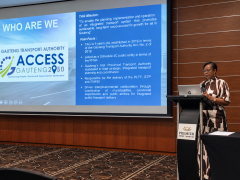
South Africa had disputed the finding during a public hearing in Washington DC last week and asked to be exempted from the proposed measure, the Department of Trade, Industry and Competition (dtic) said.
The country argued that it already prohibited forced labour, had ratified the relevant International Labour Organization conventions and had legislation that could be used to control or prohibit imports of goods produced using forced labour.
The International Trade Administration Act empowered the national executive to prohibit or control imports of certain goods, while the Customs and Excise Act enabled the South African Revenue Service to stop, detain and seize prohibited goods at the border, the department said.
Imports of goods produced through prison labour are also expressly prohibited under Section 113 of the Customs and Excise Act.
Key exports at risk
Should the US reject the request for a country-wide exemption, the South African government had asked for several major exports to be excluded from the proposed tariff, the dtic said.
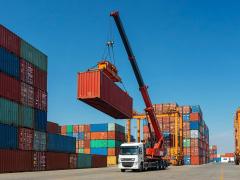
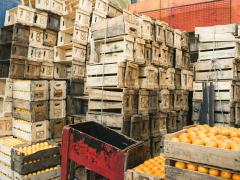
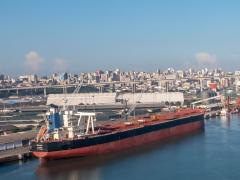
These include platinum-group and precious metals, vehicles, catamarans, citrus, seafood, wine and nuts.
There was no evidence that these products or their inputs were produced using forced labour, the government delegation argued.
The USTR has proposed lower additional duties of 10% for economies that have introduced a forced-labour import prohibition, committed to doing so through a reciprocal trade agreement with the US, or implemented partial measures preventing certain forced-labour goods from entering their markets.
Stakeholders have until July 16 to submit further information following the public hearing, according to the USTR.