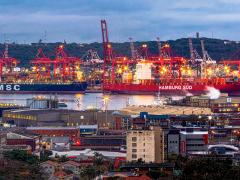
The UK will improve trade deals between African countries and make it easier for businesses to sell their goods. This in a move to end dependency on foreign development assistance, according to international development secretary Justine Greening. Britain is set to help 20 000 companies in 15 countries to unpick barriers to trade through a new £7.2 million investment in the Geneva-based International Trade Centre. The support will help collect and share data on how permits, regulations and bureaucracy can impact on trade in developing countries. In addition, two further projects with Nairobi’s TradeMark East Africa will boost growth and job opportunities by cutting the cost and time it takes to move goods in and out of customs and building vital infrastructure across eastern Africa. “Cumbersome regulations, endless border delays and inefficient customs are stif ling the potential of promising businesses and entrepreneurs across Africa,” said Greening in a statement. “From Angola to Zambia, we will help to give businesses the freedom to trade, grow and create new jobs. “This is good for poor countries and good for Britain as we are helping to create vibrant new markets for British businesses to invest in. Global trade tariffs are at an historic low after decades of bilateral and multilateral trade negotiations. However they are swiftly being replaced with ‘non-tariff measures’ – regulations governing the movement of goods across borders.” The UN estimates that testing and certification requirements for exports increased by 700% between 2000 and 2009. South African retailer Shoprite spends $20 000 a week on import permits just to ship goods from South Africa to Zambia, said Greening. The UK will invest £57.4 million to improve trading in Uganda and Kenya and modernise East Africa’s largest port in Mombasa. This could help boost exports in Uganda by £200m and in Kenya by £530m by 2016. Greening said the UK investment would improve roads on the vital trade corridor between Uganda and Rwanda, while a onestop border post would be constructed between Uganda and South Sudan. INSERT International Trade Centre will collect and share data.
UK pumps millions into easing Africa trade
Comments | 0
© Now Media. This content is protected by copyright and may not be adapted or republished. If you would like to discuss cooperation opportunities, please contact: editor@freightnews.co.za.