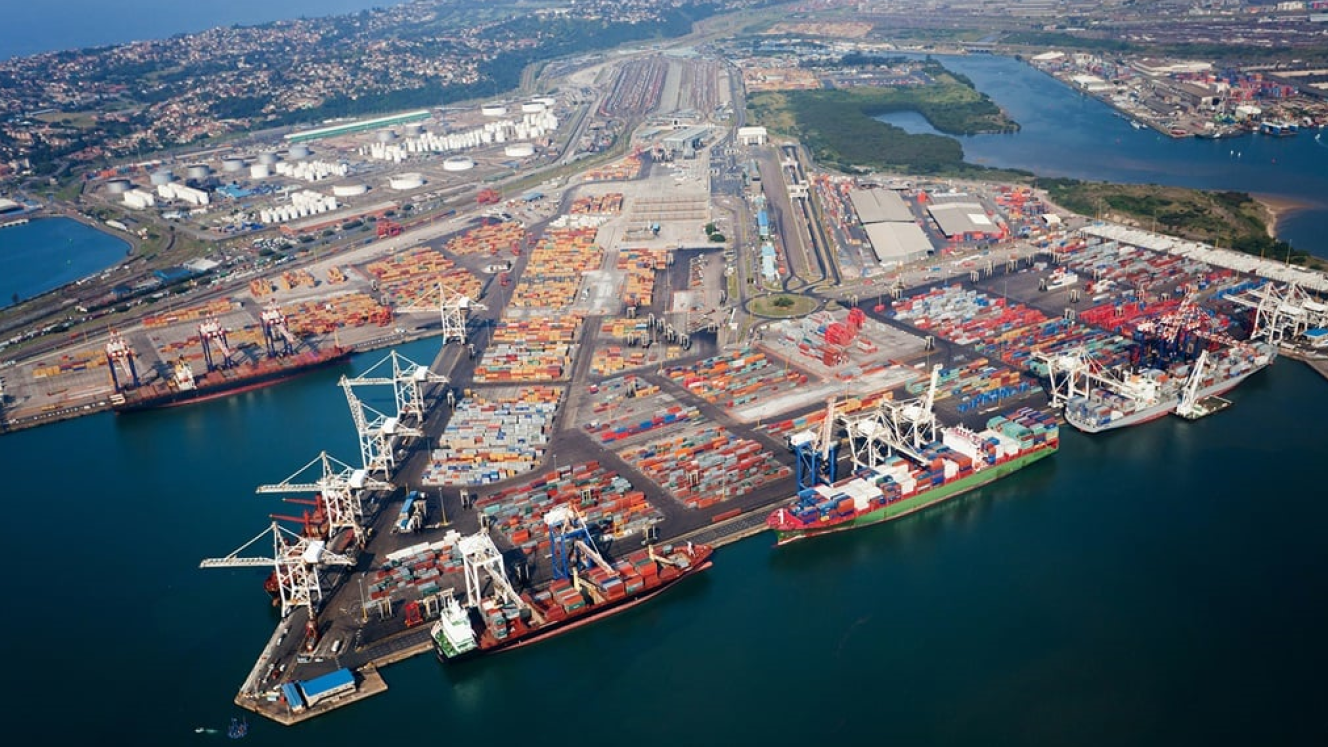
ALAN PEAT A database showing comparative costings for the alternative shipping routes from southern Africa is currently being developed. It was the main topic of the second shipping focus workgroup of the Maputo Corridor Logistics Initiative (MCLI), intended according to MCLI executive director Brenda Horne to give a “platform of understanding” of the door-to-door costs. It will enable cargo owners to make an informed decision on the comparisons to other corridors, she added, including the transit days and cost of inventory. One such corridor comparative costing will cover the Walvis Bay alternative, said Wendy Lee de Goede of UTi and MCLI’s Hannelie Viljoen. Their approach to the Walvis Bay trial shipment from a costing and transit perspective is to compare three containers being sent from the same origin in Gauteng to the same destination in Antwerp in Europe. But each container will follow a different route. One will be sent via Durban, another via PE, and the third via Walvis Bay. “The whole transhipment will be monitored closely, and the three different routes will be benchmarked against each other from both a costing and transit time perspective. “This approach will ensure a holistic plant-to-port perspective of the three different routes.” The end result of the Maputo corridor database is intended to be a transparent costing model to allow MCLI members to understand the potential savings or benefits of the corridor. “The potential saving will lie in the leverage between the increase in shipping cost and the saving in the landside cost - since Maputo is closer to the Gauteng market than Durban,” said Horne.
Trial shipment will establish comparative costings from Durban, PE and Walvis Bay
Comments | 0
© Now Media. This content is protected by copyright and may not be adapted or republished. If you would like to discuss cooperation opportunities, please contact: editor@freightnews.co.za.