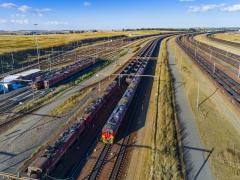
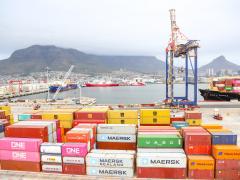
Railways have for too long been the “black sheep” of surface transport in southern Africa, but if governments are serious about competing on a global trade stage they will put their money where their mouth is and ensure the future of national railways. This was the hard-hitting message expressed at the fourth annual Southern African Railways Association (Sara) conference held in Midrand last week. “We have proven that railways can play a vital role in increasing the competiveness of the regional supply chain, lower the costs of doing business and stimulate and increase intra-regional trade. It is time governments took responsibility for the ongoing sustainability of railways. So we say, let there be a railway line,” said Bernard Dzawanda, executive director of Sara. Albert Kamhunga, CEO and managing director of Manica Zimbabwe, noted that it currently cost twice as much as the global average to operate a railway in southern Africa and that there were several “missing links” that needed to be addressed before regional railways could live up to their promised competitive potential and gain surface transport market share. “The current market share for rail in southern Africa is around 15%. To ensure sustainability the industry needs to significantly increase that over the next few years,” said Kamhunga. Dzawanda added that current challenges that threatened to derail the road-to-rail migration strategy included operational inefficiencies, major maintenance backlogs, capacity issues and other expensive modes of transport (air and road) being applied inappropriately. “To address those challenges we need high-level government intervention to guide resource allocation, to promote regional integration and to guide economic behaviour through stabilisation, legitimisation and regulation,” he said. INSERT & CAPTION We need highlevel government intervention to guide resource allocation and to promote regional integration. – Bernard Dzawanda
Transport's 'black sheep' ready for market share fight
Comments | 0
© Now Media. This content is protected by copyright and may not be adapted or republished. If you would like to discuss cooperation opportunities, please contact: editor@freightnews.co.za.