Transnet spent 85% of its R23.3 billion capital investment during the 2025/26 financial year on replacing and refurbishing existing assets with only 15% directed towards expansion.
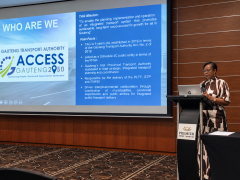
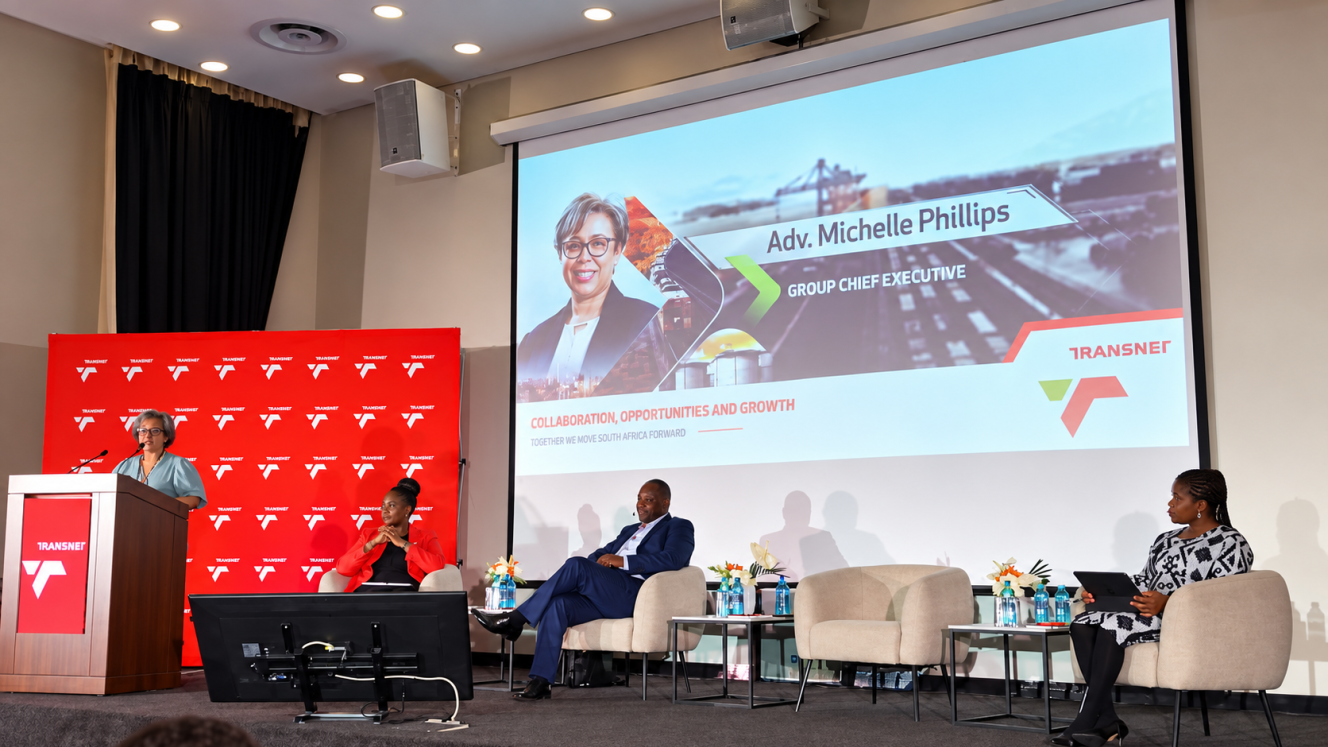
Chief Financial Officer Nosipho Maphumulo disclosed the allocation during the group’s annual financial results presentation on September 10.
Transnet had targeted capital investment of R25 billion for the year but fell R1.7 billion short. Its actual capital investment also decreased from R24 billion in 2024/25.
Maphumulo said 71% of expenditure was allocated to Transnet’s rail businesses, including Transnet Freight Rail and the Transnet Rail Infrastructure Manager.
The 85% allocation to replacement and refurbishment demonstrates Transnet’s focus on improving the reliability of its existing assets to support higher freight volumes, she added.
The investment was directed towards critical infrastructure, equipment renewal and operational improvements across the group’s rail, port and pipeline operations.
Transnet also shortened equipment procurement lead times through agreements with original equipment manufacturers (OEMs), Group CEO Michelle Phillips said.
“In the port environment, someone will tell you that, from the date of order to the date of receipt of equipment, it’s 18 to 24 months,” she said.
“The relationships that we’ve built and the agreements that we’ve signed with the OEMs have vastly reduced the time that we now have to wait for equipment.”
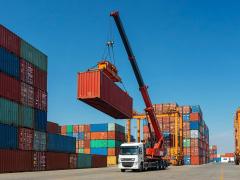
Phillips said Cape Town Container Terminal is expected to commission remote-operated cranes by the end of the current financial year.
“That will be a first for this country.”
Rail volumes increased by 4.9%, from 160.1 million tonnes to 167.9 million tonnes during 2025/26, but remained below Transnet’s 180 million tonne target.
The group has recovered 18.4 million tonnes since rail volumes reached a low in 2022/23.
Phillips said the long-term decline in rail volumes has been arrested but the next test is to determine whether Transnet can sustain the improvement and move higher volumes.
“The more volumes we move, ultimately the cheaper it becomes for users and the more sustainable we become,” she said.