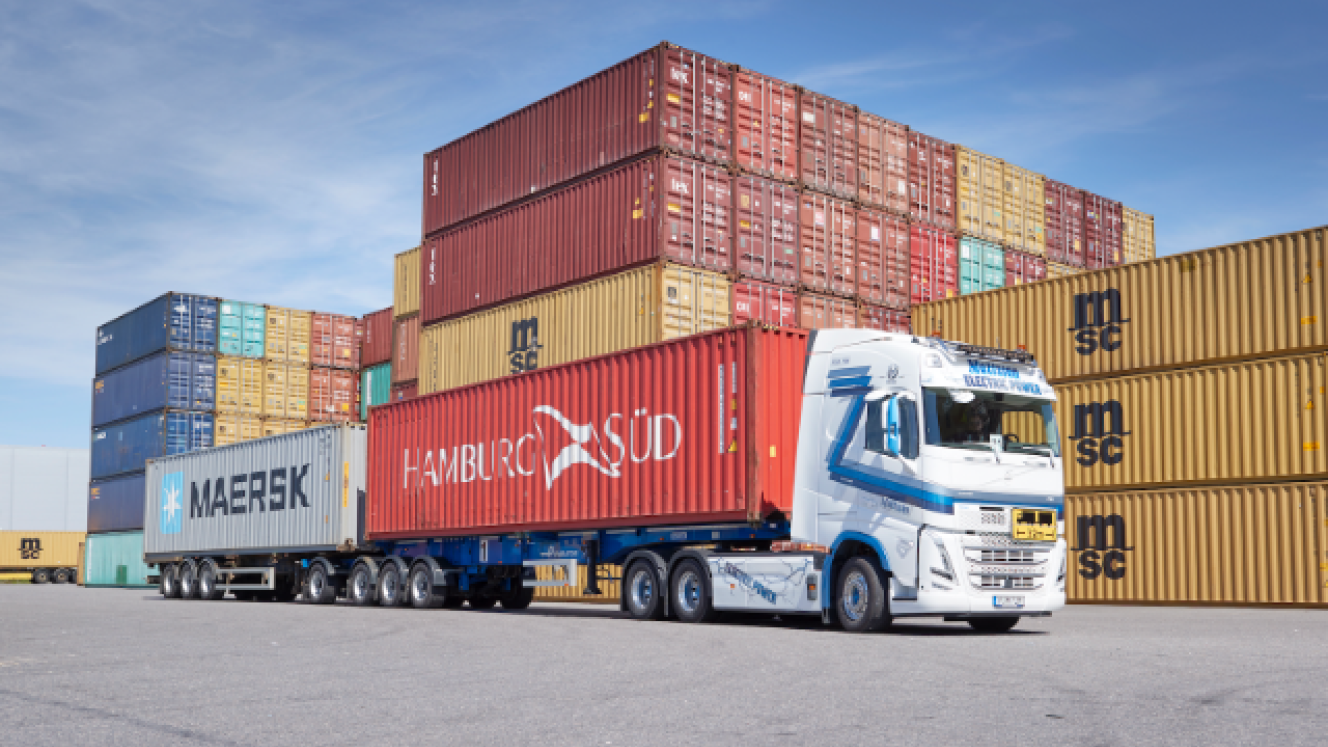
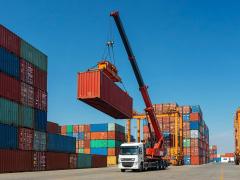
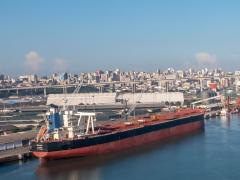
The port authorities are certainly aware of the problems surrounding the closing down of berths at the Durban Container Terminal (DCT) Pier 2 in the Port of Durban (See the January 14 issue of FTW). “The deepening of these berths poses a serious concern for the port in that by taking one berth at a time out of commission there’s a loss of 400 000 TEUs annually in capacity,” said a statement from Transnet National Ports Authority (TNPA) and Transnet Port Terminals (TPT). To obviate this problem, the two bodies have prepared a number of contingency plans. These include transferring some container traffic to the Point and some to Maydon Wharf – where a similar berth-deepening exercise is already under way. The authorities added that, where necessary, some containers, such as transhipments would be diverted to the Eastern Cape ports of Ngqura and Port Elizabeth. The main part of the project is deepening the north quay of DCT Pier 2 – a project that will involve berths 203 to 205, but with each berth worked on sequentially. The deepening of the north quay berths should be completed by 2017. It is intended to increase the draught alongside to accommodate the largest size vessels capable of entering the port. These are rated at 9 200 TEUs – and one ship of this size has already called, but was not fully laden. However, according to Ethekwini Maritime Cluster (EMC), there has been talk recently of the port accepting vessels up to 13 000 TEUs in future. An additional part of the overall project is the installation of new cranes on the north quay. Seven new ship-to-shore (STS) cranes are on order to replace the older Noell and Impsa cranes. The authorities stated that the Impsa cranes would either go into service elsewhere within DCT, or be transferred to either Port Elizabeth or Ngqura. EMC also highlighted another of the projects under way in the Port of Durban. This is the reconstruction of the Island View petrochemical and oil berths, which have become inadequate in the face of modern shipping and the larger vessels now being experienced. In addition the berths are ageing and in some cases require a complete rebuilding of the dolphin berths. The high strategic value of Island View is that it handles about five million tonnes of oil and petroleum products each year – and is connected to the oil and gas pipelines that run from Durban to Gauteng. Berth 6 has already been reconstructed and re-commissioned, with the construction team having moved to berth 5. Each rebuilt berth will be 300 metres in length and capable of handling ships of up to 45 000 tonnes deadweight (dwt). The project involving these two berths is budgeted at R363 million. Also under way is the reconstruction of berth 2. This involves a new deckon- pile structure, and will provide a third dolphin berth. It will both lengthen the berth and increase the draught alongside from 10.9m to 14.5m. It will enable tankers of up to 60 000t dwt to use the berth – and the R263-m project is due for completion in March. A further plan is for TNPA to rebuild and deepen seven of the 15 berths at Maydon Wharf. The R1.6- billion project will see berths 12-14 and berths 1-4 being deepened to 14.5m – enabling ships of up to 65 000 dwt to be berthed alongside. Work commenced on berth 12 last July, and the entire project will be complete by July 2016. According to EMC, it is expected that a further contract to attend to the remaining berths may then follow.
Transnet outlines contingencies to deal with Durban capacity loss
Comments | 0
© Now Media. This content is protected by copyright and may not be adapted or republished. If you would like to discuss cooperation opportunities, please contact: editor@freightnews.co.za.