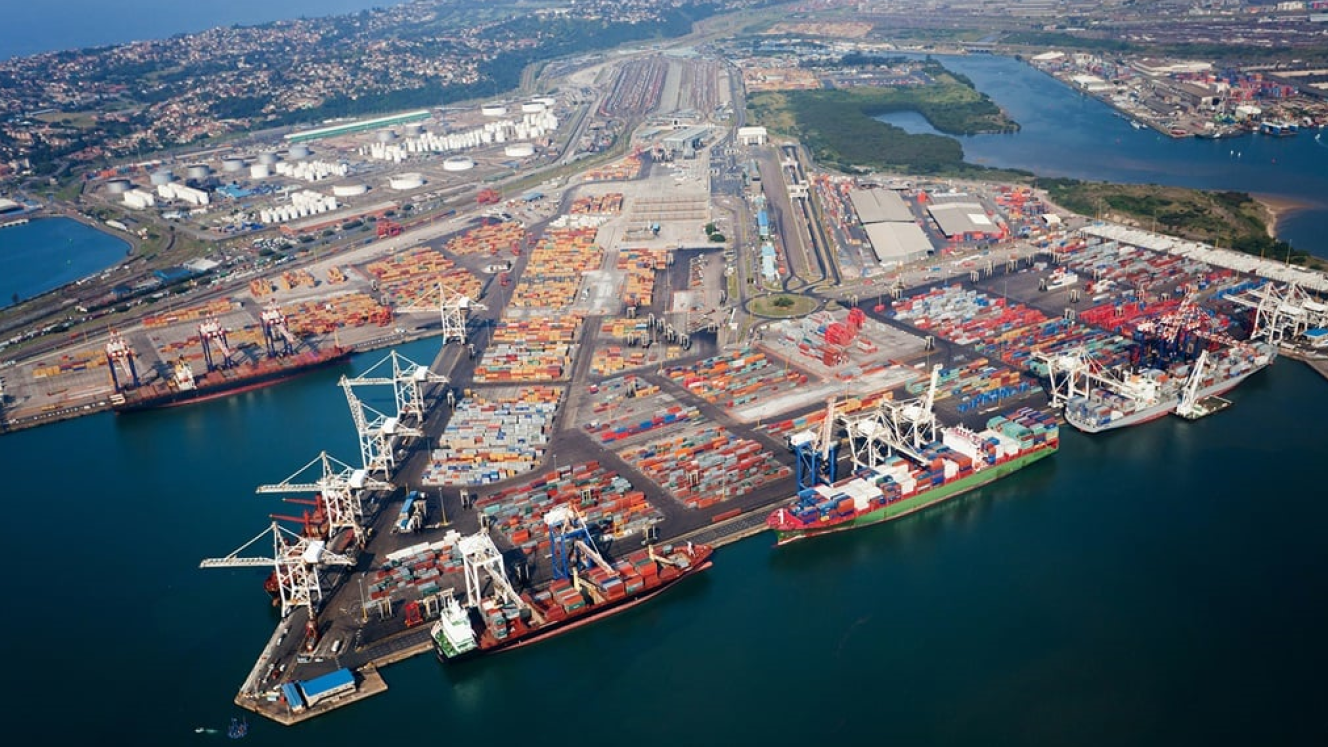
The current climate is perfect for an entrepreneur to enter the shipping industry. That’s the view of an industry contact interviewed by FTW last week. “They can pick up ships cheaply and offer good rates,” he said, “because major lines are struggling with huge overheads and paying off ships that can’t be used.” He seemed to think that these possibly over-committed majors were particularly vulnerable at a time like this. Following up on this theory, FTW talked to a ship’s agency executive who fully agreed with these sentiments. “We do see charter prices dropping, and so people can get ships on the cheap,” he said. “Get them at the right rate for a specified period, and – even adding your bunker costs and the like – you could still offer good rates and earn a margin on this lower base cost.” And remember, he added, you could niggle away at the majors’ rates – “Because the biggies just can’t reduce their container rates and still escape alive”. He also suggested that the theory did not just apply to independent entrepreneurs, but also to established shipping lines. “If a shipping line is not so committed to expensive new tonnage as most of the wellknown names in the global container liner market,” he said, “and can pick up charter tonnage on the cheap, it might suit the line to go it alone on a trade where previously it had been part of a consortium.” Although it has made no suggestion that it plans any such moves, Evergreen, for example, could be such a player. According to Lloyds List, its refusal to get into the mega-containership building rush – which kicked off well before the latest global financial crisis – meant it didn’t have the same cost commitments to cover as those lines that had over-spent on very large containerships (VLCs). But Peter Newton of Seaboard – one of the doyens of the SA shipping industry – warned that it was a high-risk market to enter. “First of all,” he told FTW, “the threshold for entry is pretty high. “It’s a good move at any time – IF you know what you’re doing, and have the necessary financial backing. “An astute operator could probably do it, but he’d need to have the financial resources, and extremely nimble management, in order to succeed.” And you need to be able to effectively market the service at every chosen port of call and present a reputable image. This sort of marketing exercise, Newton added, is one of those “high” threshold costs. “And people would be reluctant to move across to something that doesn’t look as though it’s going to last,” he said.
‘Timing is perfect for entrepreneur to enter shipping industry’
Comments | 0
© Now Media. This content is protected by copyright and may not be adapted or republished. If you would like to discuss cooperation opportunities, please contact: editor@freightnews.co.za.