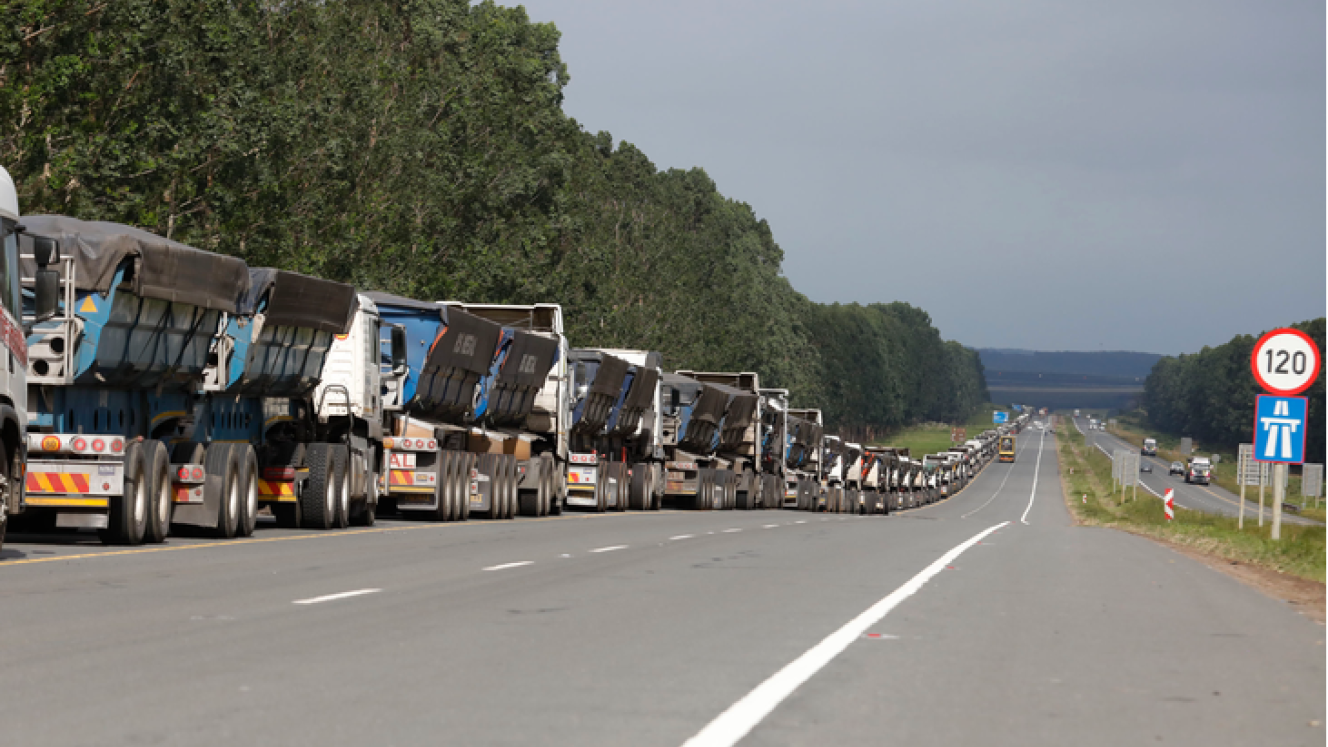
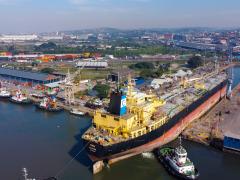
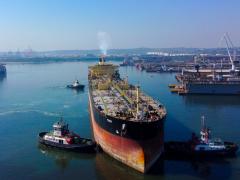
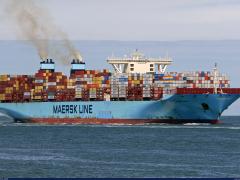
Imorters and exporters face their biggest transport crisis since the Second World War. The labour strike at Transnet, now in its second week, is starting to take its toll and with no end in sight the cost to the economy is estimated to be billions. The unions, the SA Transport Allied Workers Union (Satawu) and the United Transport and Allied Trade Union (Utatu), said in a joint statement on Monday that the strike “is set to intensify, with no resolution in sight”. And, although no-one will venture to place an exact amount on it, all are agreed that the SA economy is now facing a multi-billion loss. The strike doesn’t directly affect airfreight or courier/ express movement of goods, but it does directly impact on the shipping lines and seafreight sectors, and some 80% in value (but even more measured in volume or mass) of SA’s trade has ground to a halt. Shipping lines are having to conduct an almost impossible sleight-of-hand with ship movements – and to make daily updates of scheduling of their fleets working the SA trades. Some ships are stuck in SA ports, some anchored outside, some still loading SA cargo overseas, and some missing out on SA calls and sailing on directly to the next in line in their port rotation. But there are no viable ports for them to divert to and offload SA-bound cargo, and being in its second week, the strike makes this ship and port juggling exercise even more difficult. At the end of the first week, for example, the story at Durban was that six vessels were berthed alongside the container berths, 10 were waiting in the roads, and 25 were scheduled to arrive in the following eight days. That could mean anything up to 50 ships stuck off or in Durban, returning to home base or sailing on to the next port of call on their schedule. A typical statement was one issued by Safmarine. It said it cannot ship containers by rail to or from any SA port. The statement added: “Our options are limited; there are no transhipment ports serving this region. Shipping services to SA are direct. The best contingency plan we could make was to adjust schedules so ships left ports earlier than scheduled.” With the likes of Safmarine transporting high volumes of reefer cargo and time-sensitive auto parts, a long strike would be exceptionally damaging for the company and the SA economy, said London’s Containerisation International. A large proportion of what is held up is destined for the World Cup (starting June 10), and retailers and wholesalers waiting for it look as though they’ll have bare shelves. Rail freight is obviously a no-no with the strike in place, while forwarders, road transporters and allied industries are also facing a drastic cut-back.
Three-month backlog looms
Comments | 0
© Now Media. This content is protected by copyright and may not be adapted or republished. If you would like to discuss cooperation opportunities, please contact: editor@freightnews.co.za.