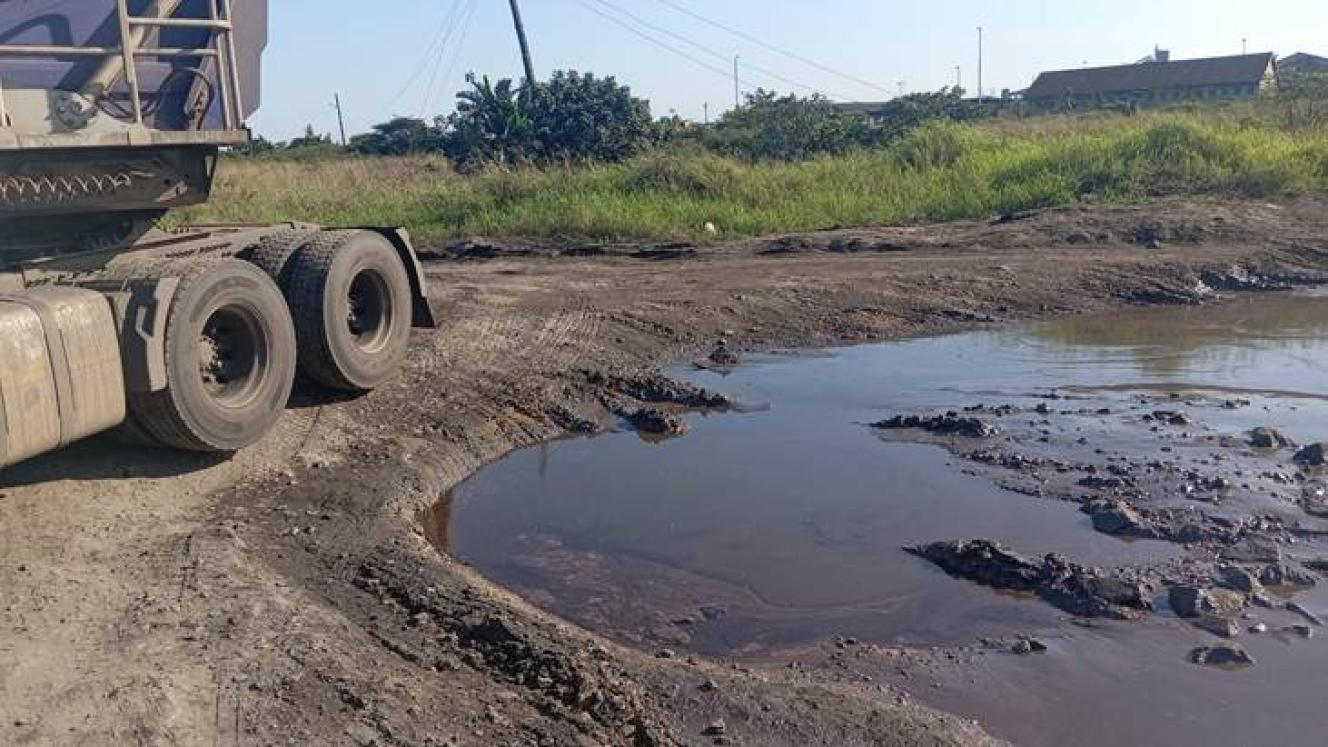
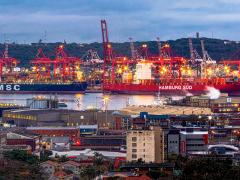
Are South Africa’s ports helping or hindering effective logistics? FTW’s regional correspondents take a closer look at our five key container ports – Durban, Cape Town, Ngqura, East London and Port Elizabeth. Not only does an SA Ports Regulator report say that Durban is one of the world’s most expensive ports, but port users find its efficiency and productivity levels to be laughable – if they’re not already crying about them. And Transnet’s answer is to chuck vast amounts of money at the problem – a total of R7.4 billion over the next seven years in fact. This, according to minister of public enterprises Malusi Gigaba, is intended to increase the port’s container handling capacity from the current 3.6 million to 12m TEUs in the next 30 years. But the reaction from those in the freight industry is that if Transnet Port Terminals (TPT) can’t effectively handle that present 3.6m, then 12m is going to be a monumental disaster. Quoting from Port Consultative Committee (PCC) minutes, there was a basic complaint. “With everything done in the port and all the monies spent over the last few years the efficiency of the terminal has not improved. In fact, from a user perspective, it has gone backwards.” Translated into vehicle utilisation, this lack of efficiency means that, on average, transporters are currently only managing to do four trips per vehicle in a 24-hour period – or six hours per trip. But, taking into account the distances and times involved in these local deliveries, the transporters calculate that, in reality, they should be able to do eight trips a day – or three hours per trip. “So we will have a deeper port capable of taking bigger, wider vessels with more containers and more berths, but we will not have addressed the landside issues in the terminal,” said the PCC, which is demanding that Transnet National Ports Authority (TNPA) and TPT submit a master plan on how to improve efficiency. Frequent crashes of the TPT Navis port management system in Durban since its inception have led to a number of loud complaints to FTW from port users about the delays in container movement they have been experiencing. Shipping line and truck company executives described the performance levels at the terminal as “atrocious”, and blamed it on a combination of the non-performance of Navis to date, and equally under-performing productivity levels. “It’s a sick joke,” said Kevin Martin, chairman of the Durban Harbour Carriers’ Association (DHCA). In the US, the rail v road ratios for container movement underline the advantage rail has where long distances are involved, according to Dave Watts, maritime director of the SA Association of Freight Forwarders (Saaff). But in SA, road is king. And a major reason is because rail transport fails to produce. Intermodal operators and shipping lines blamed this on management and operational inefficiencies at both Transnet Freight Rail (TFR) and TPT – with complaints being voiced of right hands not knowing what left hands are doing. Although trucking holds an almost unassailable lead, its crown is getting more than a little tarnished thanks to the corrosive port inefficiency. Delays to trucks hauling containers to and from the Port of Durban are costing well over R200 million a year. That’s the shocking estimate tabled before the PCC in Durban last year by SA Shippers’ Council (SASC) port representative, Mervin Webb, and released to FTW. And extending that basic cost along the inland supply chain to the end-consumer indicates that the total overall cost to the SA economy could easily be up to a billion rand a year. South Africa’s expensive and inefficient port and rail system is playing into the hands of its neighbours who are successfully wooing customers with more attractive value propositions. And the issue is not just the loss of business for the Port of Durban – but for every service provider along the food chain, and that includes clearing and forwarding agents, transporters and warehouse operators. When Durban’s oldest port cartage company, DTB Cartage, decided to shut shop last year, it was because it had been battered into submission by years of inefficient performance by TPT, according to Paul Rayner, former MD and owner of the 109-year-old family company. Rayner made a point that FTW has been listening to for decades now. That, if port users had a choice of service providers, “then TPT would have no customers”. INSERT We will have a deeper port capable of taking bigger, wider vessels with more containers and more berths, but we will not have addressed the landside issues in the terminal. CAPTION The Port of Durban … despite all the monies spent the efficiency of the terminal has not improved – in fact, users say it has gone backwards.
The good, the bad and the ugly …
Comments | 0
© Now Media. This content is protected by copyright and may not be adapted or republished. If you would like to discuss cooperation opportunities, please contact: editor@freightnews.co.za.