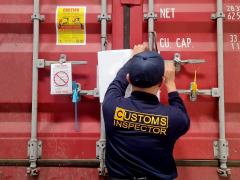
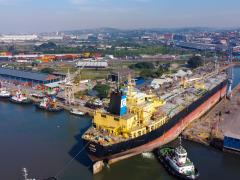
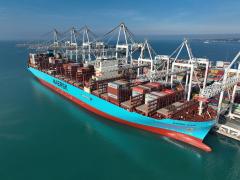
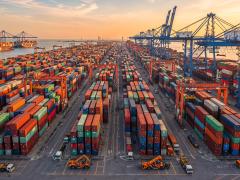
After an eight-year hiatus, SA table grapes could once again be gracing the retail shelves and fruit bowls in Thailand at the beginning of the next SA grape season in October. This lengthy gap in exports – to what was a relatively robust market at the time – was due to a ban imposed by Thailand authorities. And this, in turn, was imposed because of a technical error in documentation detailing how SA fruit exporters fulfilled the necessary phytosanitary conditions. The document was submitted to the Thailand authorities after that country joined the World Trade Organisation (WTO) in 2008. Then last year, just as the matter was getting close to resolution, a political upheaval in Thailand slammed the brakes on the discussions. But since things have quietened down in that country, valuable progress has been made, according to Willem Bestbier, CEO of the SA Table Grape Industry (Satgi). Supported by diplomatic and department of agriculture forestry and fisheries (DAFF) officials, Satgi management visited the plant protection authorities in Thailand last November. “The major objective,” said Bestbier, “was to get them to approve our phytosanitary and technical market controls this side. And we felt we had managed to gain their approval.” “The Thai authorities subsequently visited SA for two weeks in January to inspect our systems firsthand. “The results of this inspection and a meeting with DAFF were both constructive and positive,” he said. The Thai authorities have now returned home to prepare their report, which Bestbier is convinced will be favourable. “We have strong hopes that from the October start of our 2015-16 season we will be again exporting to Thailand,” he said. “We were significant players eight years ago,” he told FTW, “and we would have been even stronger if we had had continuity over those missing years. “We now face the challenge of once again fighting off the other competitors, but we feel we have some advantages.” Bestbier noted, for example, that SA’s “early grapes” were indeed early when compared to the opposition crops. “We also have good quality fruit and offer a more attractive varietal market,” he added. One logistical restraint is the Thai demand for cold sterilisation – holding the grapes for 22 days at minus six degrees to make sure the product is free of bugs. “But we have the technology and expertise to handle this requirement,” Bestbier said. He also indicated that, once the draft protocol for exporting table grapes into Thailand was finally completed, a similar technical process would follow for other SA deciduous fruits – pome fruit (apples and pears) and stone fruit (apricots, nectarines and plums in the case of SA) to be cleared for export to that country. INSERT We have strong hopes that from the October start of our 2015-16 season we will be again exporting to Thailand – Willem Bestbier
Thailand set to lift SA grape ban?
Comments | 0
© Now Media. This content is protected by copyright and may not be adapted or republished. If you would like to discuss cooperation opportunities, please contact: editor@freightnews.co.za.